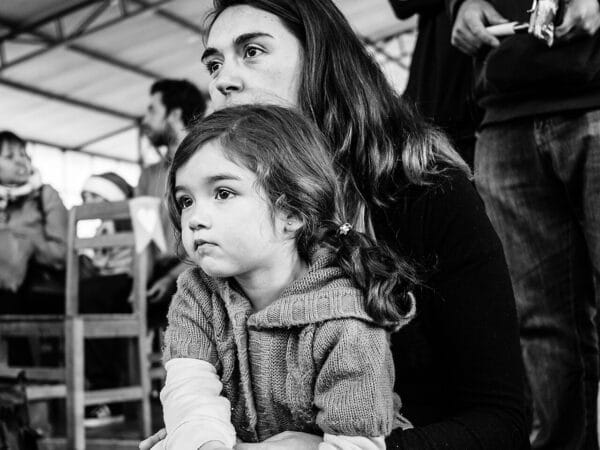
Sebastian Budinich
Sebastian Budinich is a Chilean theological ethicist and a doctoral candidate in Theological Social Ethics at Fordham University, where his dissertation, “Beyond Colonial Categories: Family Agency and Theological Ethics in Chilean Contexts,” reads Chilean household practices (allegamiento, the maternal home, the olla común) as sites of theological agency rather than as deviations from a norm. His work sits at the intersection of Latin American liberation theology, decolonial thought, and Catholic social teaching, with particular attention to what he calls resistant kinship: the forms of care that hold households together when neither the market nor the state will. He teaches theology at Fordham University and Manhattan University, and serves as Director of Program Operations at Thrive for Life Prison Project in New York, which accompanies people returning home from incarceration. He writes in English and exists in Spanish, and lives in New York with his family.Essays