xbn .

Ted Smith

Ted Smith is Charles Howard Candler Professor of Divinity at Emory University’s Candler School of Theology. He does political theology through eschatological readings of American institutions, practices, and rhetoric. Smith is the author of The New Measures  (2007), Weird John Brown  (2015), and The End of Theological Education (2023), and the editor of the twelve-volume Theological Education between the Times series. Smith has served the Political Theology Network in a variety of ways, including as a member of the editorial board of the journal.

Essays

Beyond Repair?

Cornwall helpfully invites readers to think of a dying church “as a terminally ill patient who helps others, rather than preserving its own future, even whilst accepting that it is in what looks like terminal decline.” What would it mean for a congregation, a seminary, or even a denomination to die well, even to offer faithful witness in its passing away?

Weird John Brown: A Response to Cavanaugh, Day, Holifield, Murphy, and Ochs (by Ted Smith)

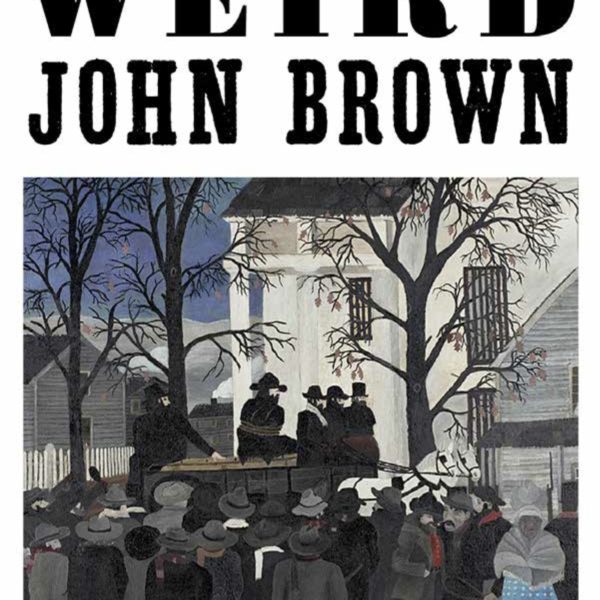
. . . In the book I think about what it would mean to see Brown as a “Great Criminal” who did wrong but can still be read as a sign of a divine violence that breaks the hold of the slave system on social imaginations and so makes possible not just new ways of seeing the world, but new ways of acting, new ways of connecting with others, and new ways of deliberating together.

Political Theology or Social Ethics?: One Conversation, Two Tasks (Ted Smith)

The Ethics section of the American Academy of Religion has organized an important panel investigating the question “Which is it – Political Theology or Social Ethics? And Does It Matter?” at next week’s Annual Meeting in San Diego. We invited the four panelists to contribute preliminary essays on this theme for discussion here, and three have been able to contribute: Ted Smith of Emory University, Keri Day of Brite Divinity School, and M.T. Davila of Andover Newton Theological School. We will be posting these over the next several days, beginning with Ted Smith’s.

Reasoning about Exceptions – Editorial for Political Theology 15.5

One of the most important tasks for political theologians today is the cultivation of capacities for democratic reasoning about exceptions to the rule of law. The task is important because liberal societies face – or at least believe they face – a number of threats that seem to require exceptional measures in response. The pressure to make exceptions grows stronger, even as we find ourselves with fewer and weaker resources for thinking about them.