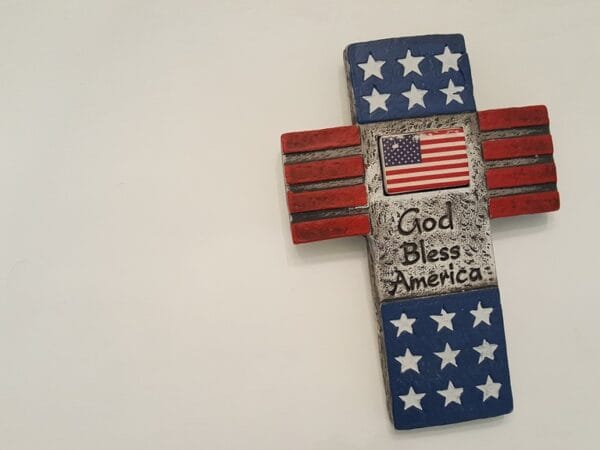
What if life was so confusing and so difficult because we stand at the center of some cosmic conspiracy that divides every aspect of reality into theological categories of good and evil?

Isaiah 5:1–7 opens as a love song and closes as a verdict, judging a vineyard not by its structural industry but by its ethical fruit. Reading Isaiah’s brilliant wordplay through a womanist hermeneutic and the Civil Rights freedom song tradition, this essay names the counterfeit fruit of a contemporary Christian nationalism that calls violence just, elevates a flawed man to the status of savior, and labels empathy a sin—and asks who is still listening for the desperate cry (tse’aqah) beneath the nationalistic noise.

When Republican Congresswoman Marjorie Taylor Greene compared Donald Trump to Jesus Christ, she wasn’t just being provocative. She was revealing the political logic that holds Trumpism together…and, as subsequent events would show, its limits.
Trump’s charisma and meteoric rise in politics is merely the culmination of White evangelicals’ search for a hero that would kick the asses of liberals and the nation’s external enemies.

After the triumph of Mount Carmel, Elijah collapses under a broom tree and asks to die — not from failure, but from the deeper disappointment of a victory that never moved the throne. Reading 1 Kings 19 against today’s Christian nationalism, this essay argues that authentic prophetic faith is found not in wind, earthquake, or fire, but in the silence, rest, and companionship that sustain the weary for the long work of justice.
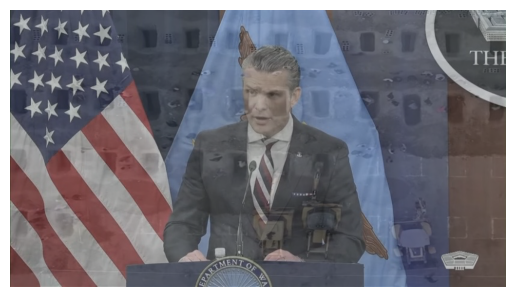
Our dear brother Pete calls himself a “Christian” and is titled the “secretary of war” today. But when it comes to real faith and realist politics, he is woefully adolescent.

Any effort to secure special status in the eyes of God is a rejection of manna. God’s grace and provision cannot be manipulated by humans for their own ends. It might appear successful. It might even help win an election. But hoarded manna will always become “wormy and rotten” (Exodus 16:20).
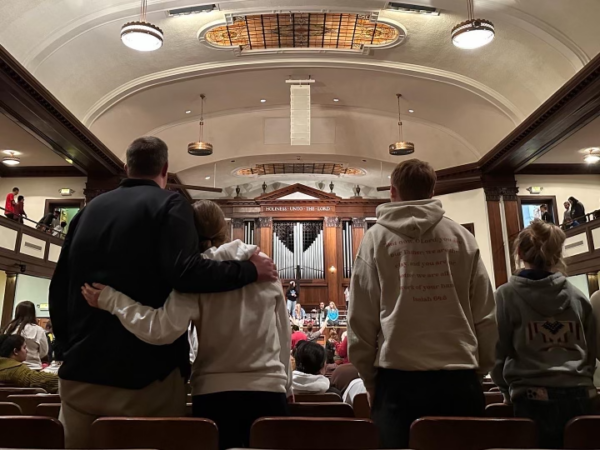
And this brings us to the aspect of Asbury that is either hopeful or depressing. Again and again, what happened in Asbury in February of 2023 is presented as first being centered around the youth and, second, as devoid of the common American strain of nationalist muscular Christianity.

This essay outlines an ontological form of atheism to suggest novel ways to conceptualize political theology and forms of socio-political praxis. An atheism of indifference is offered as a means to resist the theological framing of socio-political issues.

The unity embodied in this psalm is idealistic, imaginative, and radical, embodying fluidity. It disrupts the exclusivist notion of nationalism common in its contemporary literature and embraces unity, which is symbolized as inherently good and pleasant.
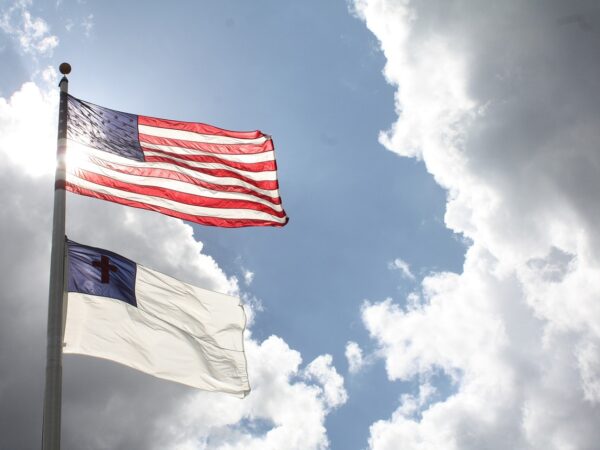
Like the humble talk in the psalm, this hand-wringing fear about a loss of Christian identity in the US masks the devastating power that white Christians wield against others in this country and elsewhere. It is a rhetorical humility in the service of actual power and dominance.

The journal Political Theology announces a call for papers for a special issue on “Russia and Christian Nationalism,” guest edited by Regina Elsner and Dmitry Uzlaner. Proposals are due December 15.