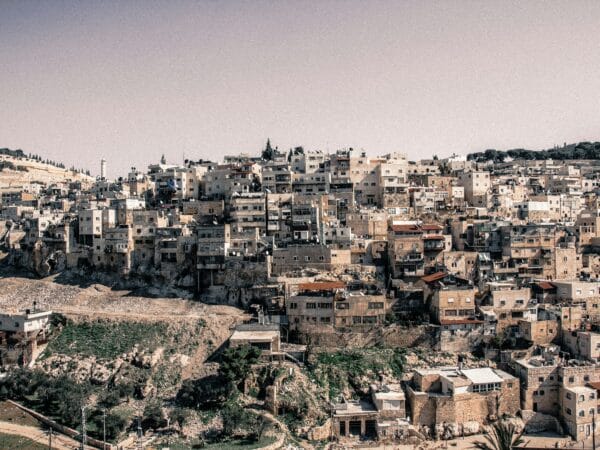
Benjamin Davis responds to Zahi Zalloua’s review of his new book, Another Humanity: Decolonial Ethics from Du Bois to Arendt (2025).
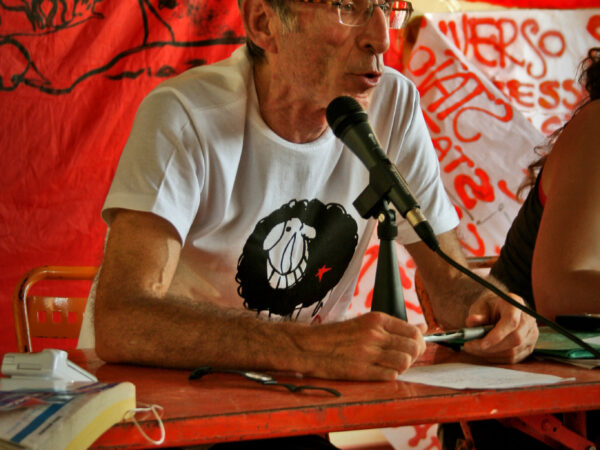
In an era of shrinking democratic space, Bensaïd’s prophetic pathos cuts through both quietism and theatrical revolt, demanding a radicalism patient enough to build and urgent enough to act.
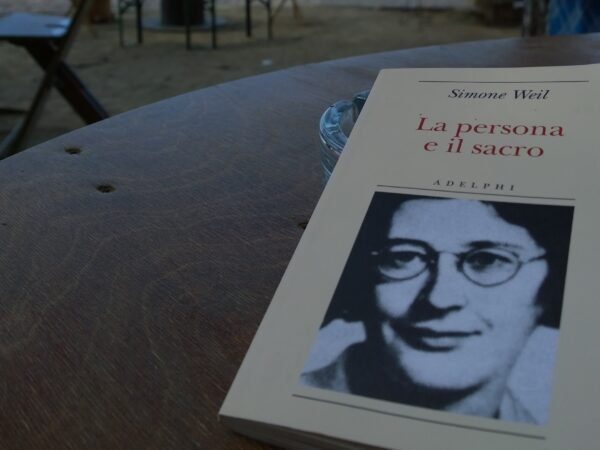
Rather than starting from a diagnostic superficiality of her image, a seemingly inevitable lure as evidenced by the myriad books about Weil that display her photo on their cover, when we really dwell with Weil’s writing in relation to her self-fashioning, what emerges is how profoundly she sought a more engaged connection with the world.
In keeping with the Center’s focus on scholarly and public engagement with issues at the intersection of politics and religion in the United States, we invite reflection on Weil that considers her thought in dialogue with religious life in the US. Please send your 500-word abstracts on Weil and political theology to Fannie Bialek and Ben Davis by November 15, 2022.
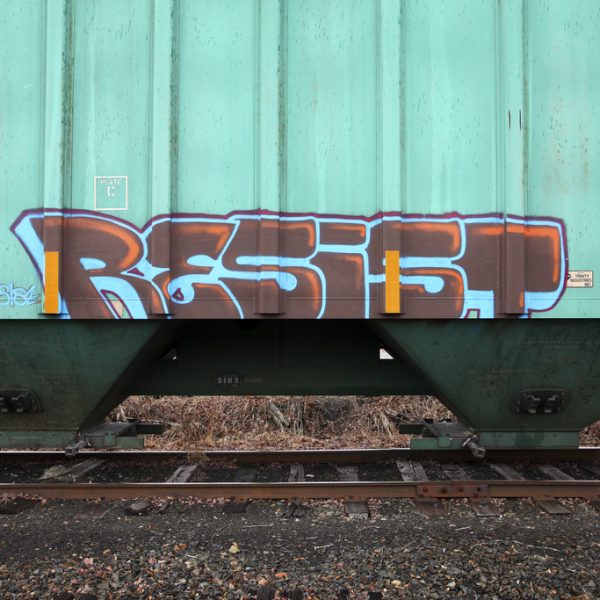
Does political theology offer strategies for resisting injustice? Or should political theology itself be resisted (because it is part of the problem)? Of course, the answer is yes.
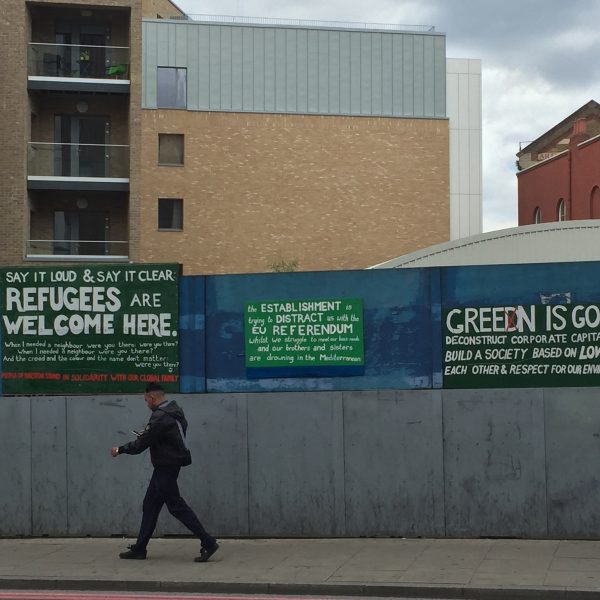
Given the magnitude of the challenges we face the task of resistance remains a communal, provisional, necessarily (ie meaningfully) contradictory, broken labour shared between sites of theory and practice.
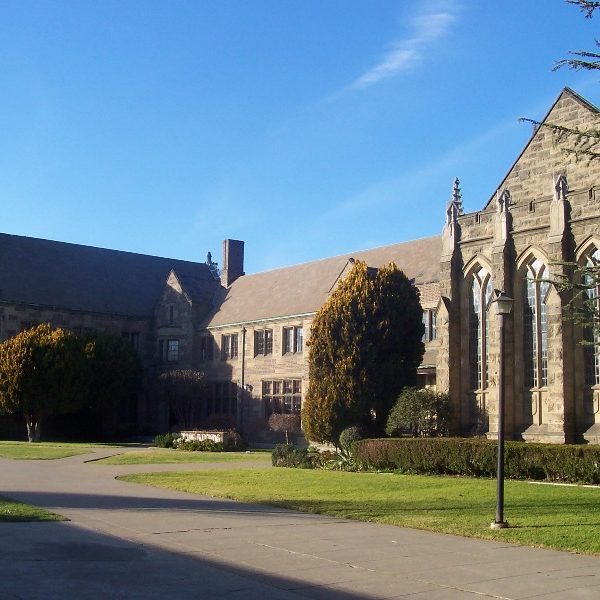
My interest in teaching a course on Political Theology came from my research on Simone Weil. I wanted to understand how the area of political theology could help me interpret Weil’s oeuvre, which often focuses on the intersection of politics and religion. To that end I decided to teach a course in the Fall of 2011 that would explore the historic development of the concept “political theology.” The course would consider how the western tradition has “thought” the intersection of politics/theology.