
Scripture has acquired a lethal familiarity in our political culture of scattering. Can we listen to its words differently together, so that the generous light of God’s creative Word might shine through them and gather us?
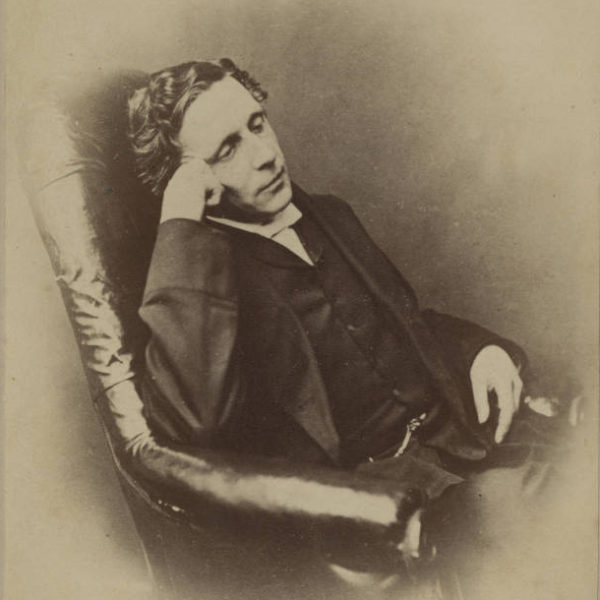
Few figures in the history of theology can boast as contested a legacy as Richard Hooker, the purported forefather of a protean via media that is redefined with dizzying frequency. Until recently, many readings of Hooker suffered from the insularity that characterized much of Anglican historiography, doggedly committed to the assumption that England had its own history, blissfully independent from goings-on on the Continent. So when historian Torrance Kirby suggested that in fact, Richard Hooker should be read as a theologian of the magisterial Reformation, he touched a raw nerve among Hooker scholars, generating a hostile backlash that, after two decades, shows no sign of letting up. Perhaps tellingly, none of the responses to Kirby and his followers has bothered to engage the thesis at the heart of his re-interpretation, that Hooker’s theological response to Puritanism rested throughout on his Protestant—indeed, Lutheran—two-kingdoms doctrine…
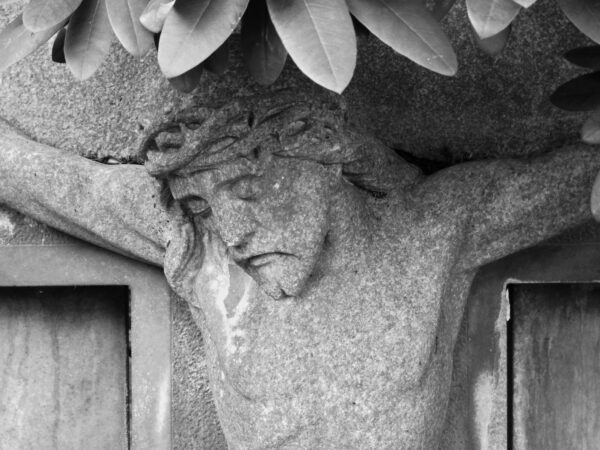
The tendency to shy away from difficult interpretations not only renders Scripture less impactful but also dilutes the lived experiences of those who confront these realities daily and seek to make meaning of what is happening to them.

Scripture records the political history of the people of God, and if Jesus is the key to the Scripture he must also be the key that unlocks its political history.
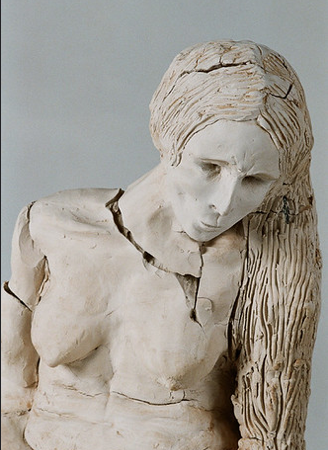
The sexual abuse of teenage girls at Denton Bible Church is part of a pattern, becoming clearer and clearer, that links conservative evangelical theology to systemic injustice toward women.
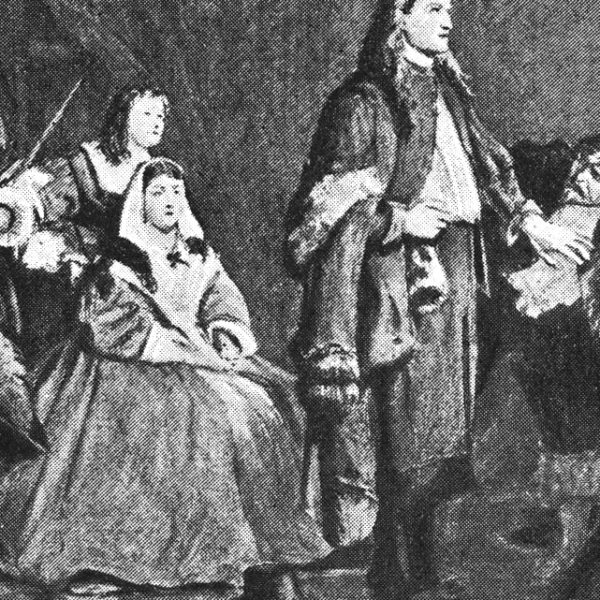


Jesus’ claim to be the good shepherd is much more than a comforting metaphor. It is a claim to kingship and a clarion call to surrender our wills and follow him to green pastures. His kingship subverts hierarchies. He models followership for us and ushers us into wide-open spaces where we can flourish in his upside-down kingdom.
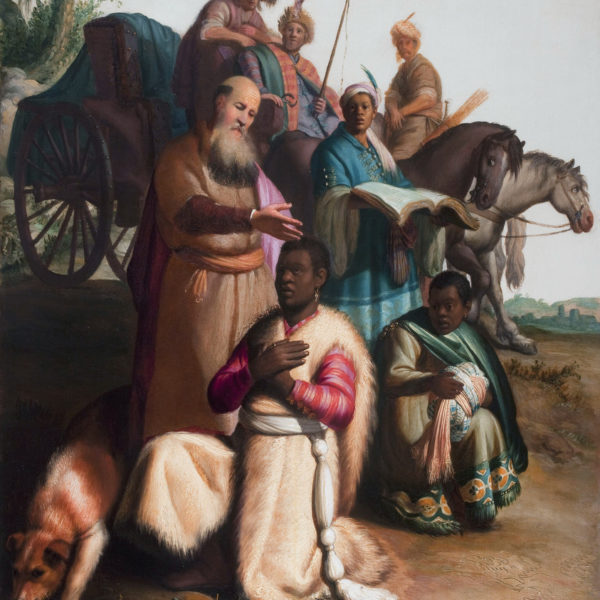
The account of the baptism of the Eunuch can be read in several ways. Fruitful readings have focused on the gender and the nationality of the person. The political implications have often been overlooked, even though this is an early and potentially fruitful tale for the political theologian.