
Colonial languages need to be brought into conversation with indigenous languages in anticolonial or decolonial praxis. It is in the process of translation that colonized subjects begin to find themselves.


This essay is part of the Discourses in Spirituality Round Robin.

This essay is part of the Discourses in Spirituality Round Robin.

This essay is part of the Discourses in Spirituality Round Robin.

We live in a hyper-ideologized age. The inner circles of both “us” and “them” are getting smaller and smaller. The world is increasingly polarized, partisan, fundamentalist. Or at least it seems so. There are forces—including algorithms—at work, teaching us to think in “us” versus “them” frames.

Sylvia Wynter’s fiction invites us to think the secular and the religious together in order to open new “continents of the spirit” and new “planets of the imagination.”

If we are to hope for anything beyond the end of hope, it is in the incommunicable and incommensurable nature that is the moan.
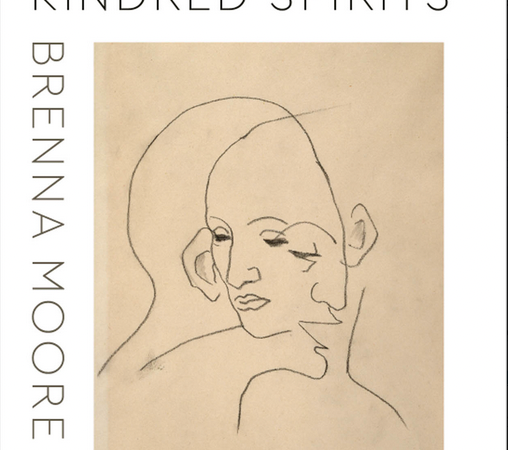
“Both authors travel to the margins and then send back a warning signal to fellow scholars about the limits and potential intrusiveness of our established methods.”

Abolition is not just about closing prisons. It’s not just about stopping police or closing police departments, but it’s also about abolishing the police in our heads. It’s also about abolishing the prisons in our imaginations that prevent us from thinking about new ways and better ways to treat each other and to keep each other safe.

Jesus couldn’t tolerate the unjust practices of Herod, nor could he remain a silent spectator to all the injustices Herod had been doing. Instead, at that very moment he swears against Herod with an f-word.

Attending, caring, and listening may seem like small practices in light of the monumental challenges we face today. But it is through this everyday work that we are to discern and pursue a new common life.