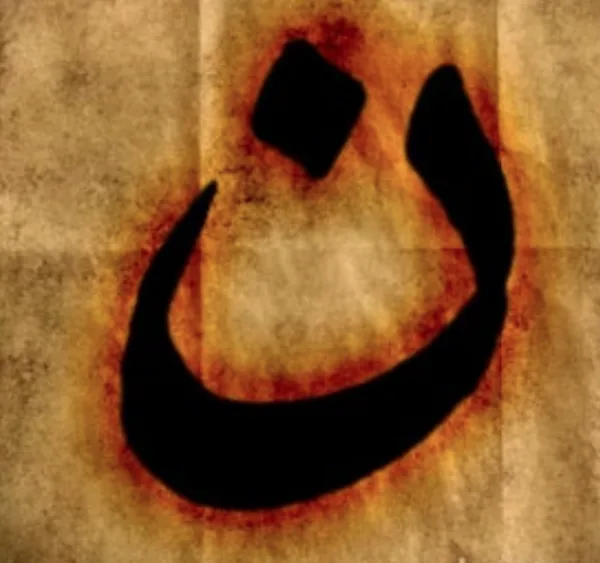
Many of my friends on social media have changed their profile pictures to the Arabic N to indicate their support for and solidarity with Christians who are currently being persecuted in the Middle East. A White House petition calling for the United States Government to offer support to Christians in Iraq has over 41,000 signatures at the time that I am writing this, and is quickly adding more. . . . How should Christians feel about all of this?

John Wesley once wrote that “Unity and holiness are the two things I want most among Methodists.” The Church’s fights over homosexuality are robbing Methodism of both.
The United Methodist Church has been in the news recently, and will be again soon, because of the Church trials of the Rev. Frank Schaefer and Bishop Melvin Talbert, two United Methodist Clergy who have officiated at same-sex wedding ceremonies.

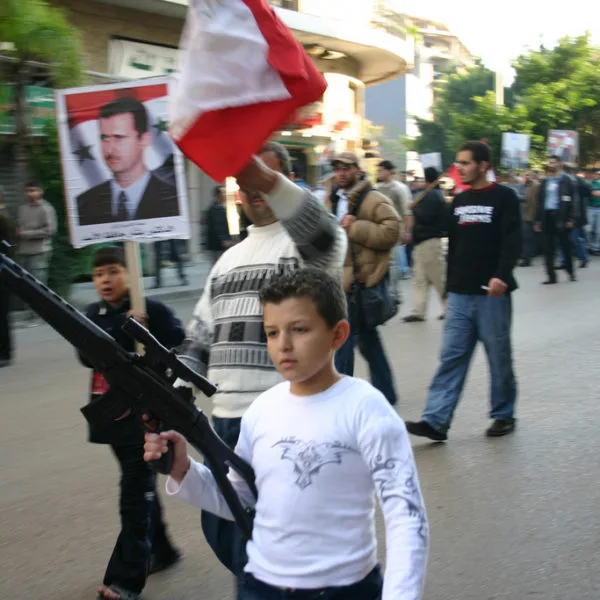
It is impossible for me to watch the footage of the children killed by chemical weapons in Syria without feeling a lack of coherence with the world. We were not meant for this. They … they were not meant for this. Their parents were not meant for this. The world was not meant for this. Breath, the source of life, was turned against these children. Their lungs were filled with death.
Hope is not drawn from the world-that-is. Hope is grounded in perceptions of the world-that-ought-to-be. It arises from the power of the world-that-ought-to-be. For Christians, the world-that-ought-to-be is the eschatological Kingdom of God. It is expected in the future, in God’s time. But, it is also in the present, which is God’s time. The Kingdom is a perpetual possibility, even as its realization must be perpetually deferred in its fullness.
If my diagnosis of the situation above is apt, it seems that Christian participation in domestic politics today may also be a matter for deferred repentance.