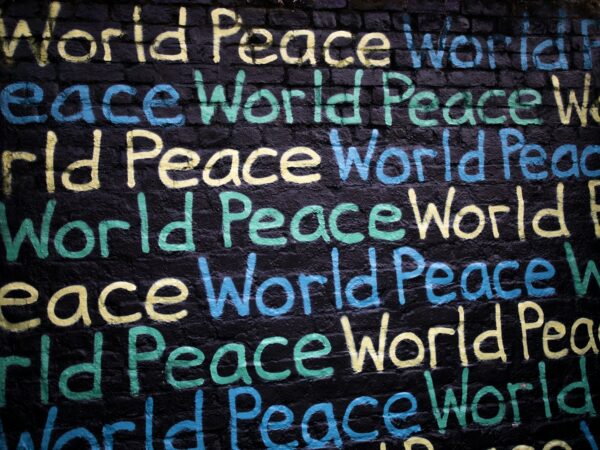
How do we then understand a biblical vision of peace relevant for our contexts today? Peace, from a decolonial theological perspective, is not a mere act of non-violence, nor is it about drawing peace plans from the perspective of the powerful global powers; rather, it is about the holistic well-being of the whole creation, coupled with justice, where life matters.

A political theology of the transfiguration of Jesus has to expose and transgress the elevation of whiteness as divine, as a norm and as something superior to multi-coloured local expressions of faith. It also calls us to celebrate the mystery of transfiguration as trans-figuration of the body ethic of Jesus and of all humanity.

In the voices of the oppressed, one can listen to the voice of the divine. In this decolonial reading, one can excavate a liberative hermeneutic, which is life affirming and life nurturing. The lament of Hagar and her son Ishmael are echoed today in the voices of several people who are excluded in the society by the dominant, and the call for us today is to listen to the divine and work for a just world.

What makes this moment prophetic is that Elisha forces Naaman to experience what it is to be restricted of free access to every place. Through that restriction, Naaman learns what it means to be vulnerable and realizes how powerless people are pushed into much suffering because of restrictive laws. In the experience of powerlessness, the healing of Naaman begins.

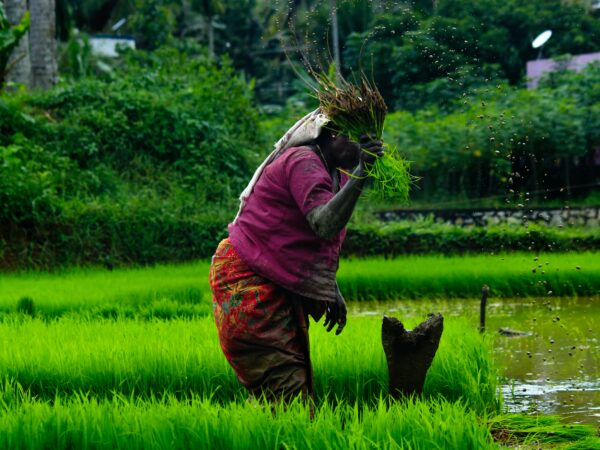
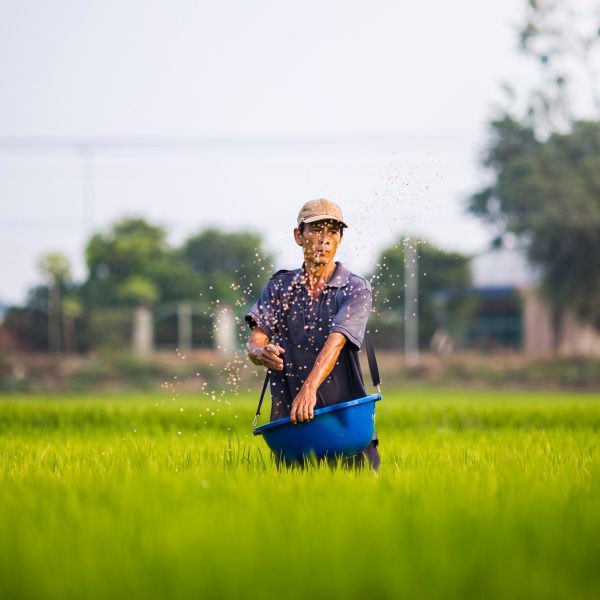
Subaltern hermeneutics offers two insights in this text, a “de-anthropomorphic” reading and “de-transcendental divine” reading. These readings offer hope to the subaltern communities in their journey of faith today and challenge all readers to seek partnerships with the creation, for Jesus is the crop….

When Dalits write, they contest these misrepresentations and objectifications, and provide a sub-version of the texts. When Dalits write, they experience liberation. A decolonial reading of this given text calls us to offer our support and solidarity with #Blacklivesmatter and #Dalitlivesmatter, recognising an agency of liberation in our Dalit and Black bodies, lives, and texts.