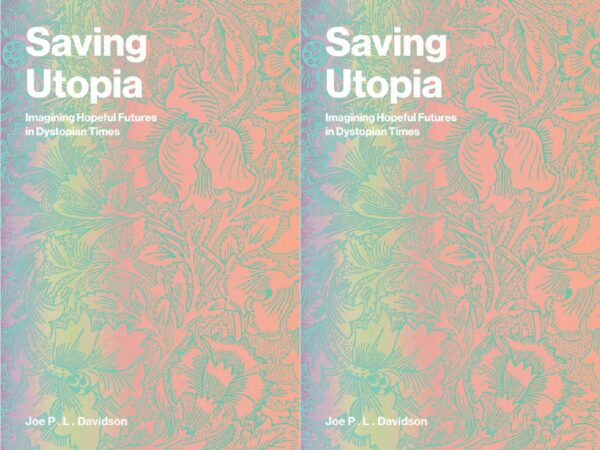
Davidson’s Saving Utopia narrates the decline and renews the call for utopic vision, but, if we forget the imbrication of heaven with hell—of utopia with dystopia—we will be doomed to repeat it.

Since I write from an African Pentecostal theological perspective, I must ask: In what ways can a theology of blindness enable us to rethink the Spirit and Christ within postcolonial imperialism so they are not immediately reduced to spectacle?
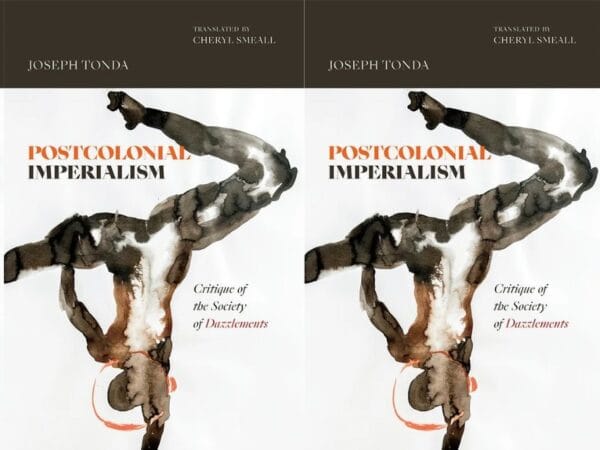
Like Narcissus who died through being consumed by self-obsession, postcolonial critique is dazzled by the perverse logic of colonial value despite wanting to separate from it.
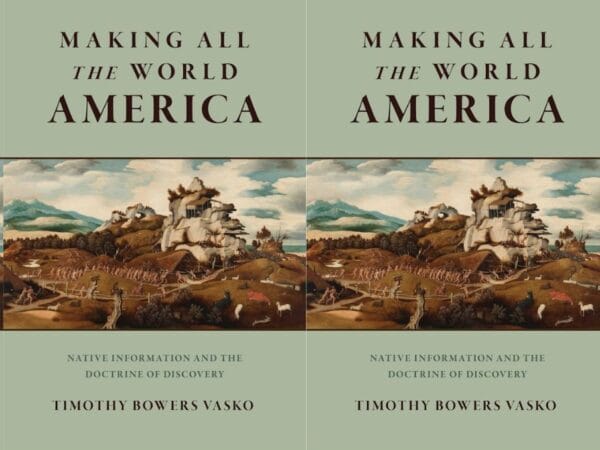
European thinkers in early modernity, John Locke chief among them, looked to Europe’s encounter with Indigenous peoples and pored over the developing body of “native information” to lay the foundation of a political order not derived from Scripture or Church Authority but from presumptively secular natural rights and reason of “the people.”
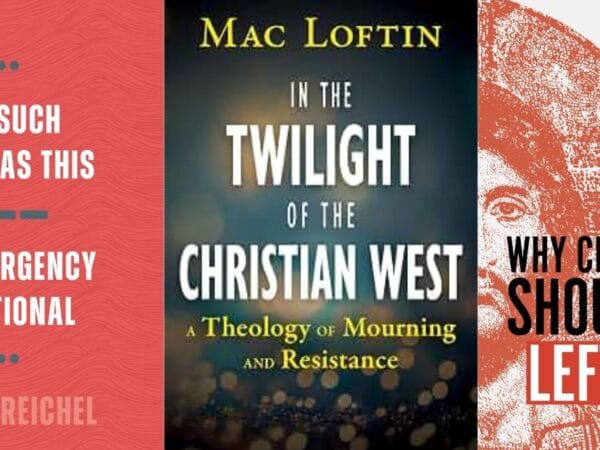
We invited Mac Loftin, Hanna Reichel, and Phil Christman, authors of recent books speaking to our present moment of crisis, to reflect on the other two books — and the state of the world.

The catholicity of dreams makes them powerful but politically ambivalent. In my mind, the dreams of utopian Christianity are no different.
For Anders, the problem is not that humans have created a world of artifice. Rather, the problem is that in the modern technological environment we make products that are not measured on the basis of human needs but dramatically exceed them.
Joseph Tonda centres his study on African societies and their diasporic communities to describe a global tortured, torturing human state from which there appears to be no escape. His metanarrative establishes that we are all entangled as victims.
Timothy Vasko’s Making All the World America documents how theological hermeneutics and post-theological thought that emerged in late Renaissance and early Enlightenment discovery discourses were renegotiated through native information
We invited Mac Loftin, Hanna Reichel, and Phil Christman, authors of recent books speaking to our present moment of crisis, to reflect on the other two books — and the state of the world.

We asked the authors of two recent books on love to put their books in dialogue. Here, Love Troubles author Federica Gregoratto discusses Love in Time by Fannie Bialek.
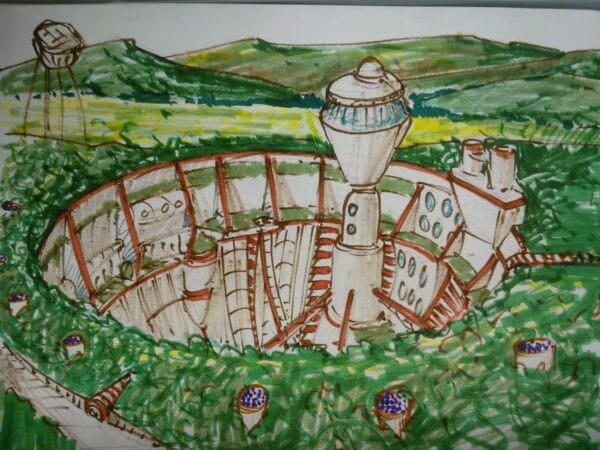
Science fiction utopias stretch hundreds or thousands of years into the future and light years away from Earth. But all secular utopias place limits on space and time that fall short of, say, God arriving into time to judge all of history and wipe away every tear.