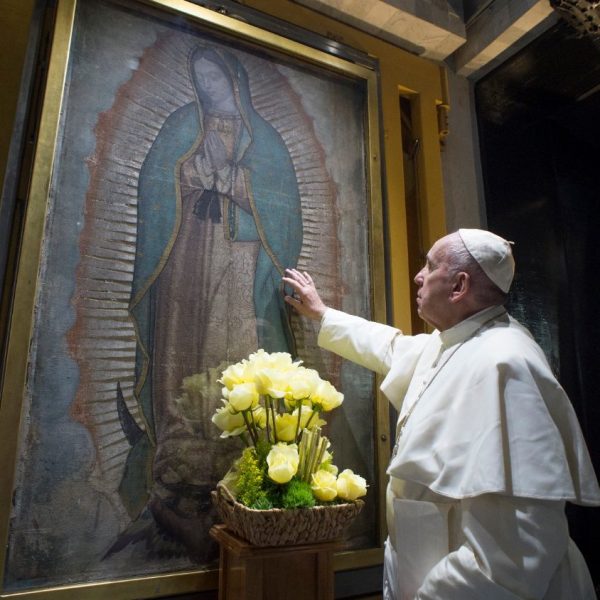
Bretherton’s robust yet flexible understanding of democracy and politics offers the promise of engaging diverse others in constructing the common good for all, with particular care for the destiny of the poor and vulnerable…[but] I need to hear Bretherton witness to how the process of decentering the canon became foundational for building a Christian political theology.
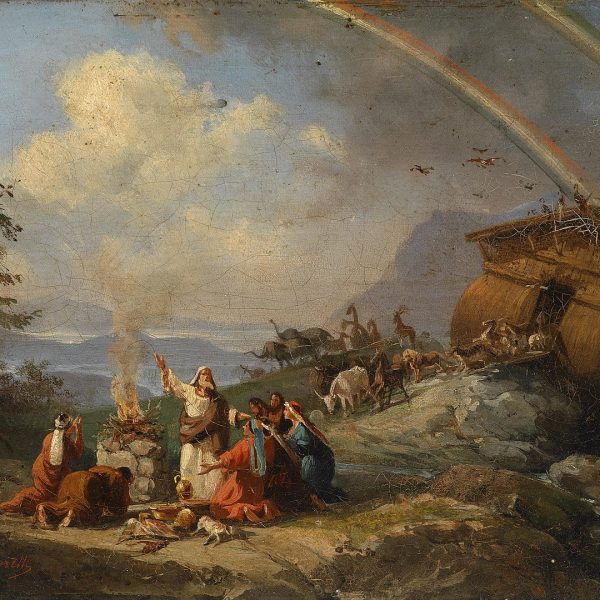
At stake is the very possibility of democratic politics. Without minimizing or devaluing the experience of oppressed and marginalized communities, the way forward—as Luke Bretherton has convincingly argued—necessarily entails nurturing some form of cohesive social vision.
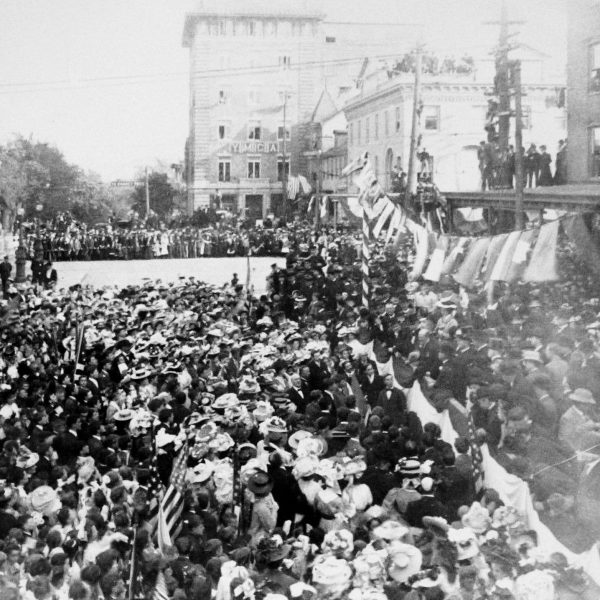
Populism seems to have at least these advantages: it privileges practical reasoning over theoretical; it binds us to place; it recognizes modernity’s political gains; it does not posit reactionary declension narratives; it affirms “common folk;” it avoids elitism…It also gave us President Trump.
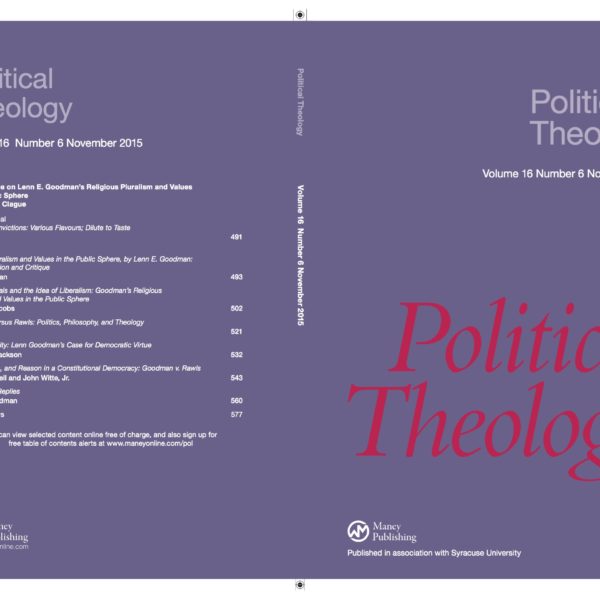
The new issue of Political Theology includes a guest editorial from Joshua Ralston, essays by Christopher Trigg, Michelle Wolff, and Kyle Lambelet, and a roundtable on political theology and literature

Many white evangelicals seem not to realize that American democracy has also been good for American Christianity and that too close an association between worldly and spiritual power will ultimately diminish both.