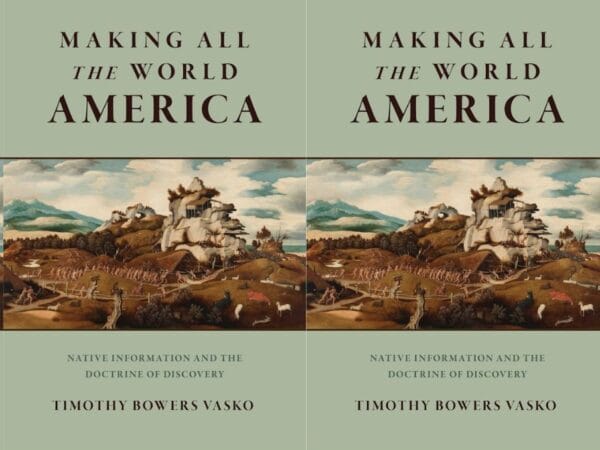
The deeply politico-theological questions of shame as an act, guilt as an affect, and redemption as an aspiration remain, to my mind, under-examined in genealogies of modern political ideas, especially regarding the narration and critique of imperial history.
European thinkers in early modernity, John Locke chief among them, looked to Europe’s encounter with Indigenous peoples and pored over the developing body of “native information” to lay the foundation of a political order not derived from Scripture or Church Authority but from presumptively secular natural rights and reason of “the people.”
Timothy Vasko’s Making All the World America documents how theological hermeneutics and post-theological thought that emerged in late Renaissance and early Enlightenment discovery discourses were renegotiated through native information
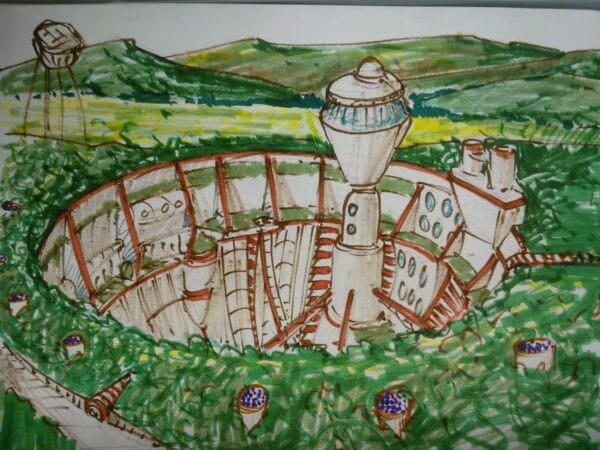
Science fiction utopias stretch hundreds or thousands of years into the future and light years away from Earth. But all secular utopias place limits on space and time that fall short of, say, God arriving into time to judge all of history and wipe away every tear.
Timothy Vasko’s Making All the World America is a serious provocation to the present, demanding that its audience think beyond claims often thrown about in representations of Indigenous peoples today.

Hugo Drochon, author of Elites and Democracy, discusses social movements, political transformation, democratic hopes, and populism with Maor Levitin

Translating Senghor’s political writings shows the continued relevance of Negritude in the conceptualization of political community in the wake of the encounter between Africa and Euro-America. However, framing the translation, like engaging any of Senghor’s work, ought to pay close attention to his African critics.
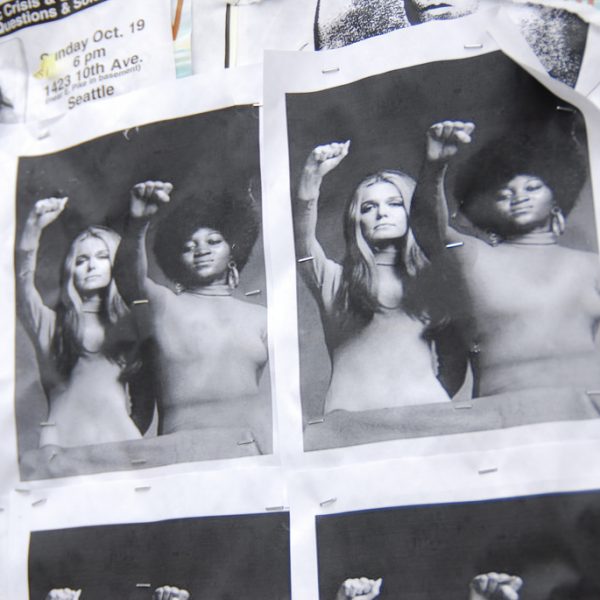
Why has political theology been so resistant to addressing questions of sex, gender, and sexuality in any serious way? Are there any intersections between queer feminist criticism and political theology, and what would it look like if the two methods were brought together?