
In a place where Caesar’s authority appeared unquestionable, Peter recognizes another kingdom and another source of authority. His confession quietly challenges every power that claims the final word over human life, hope, and belonging. It reorients allegiance away from imperial claims toward the reign of God revealed in Jesus Christ.

“We gestate each other, even daughters and mothers, around the spool of time not the lineal thread.”

Judith Butler’s work has altered the trajectories of multiple disciplines in the last thirty years; what can they teach scholars of political theology?
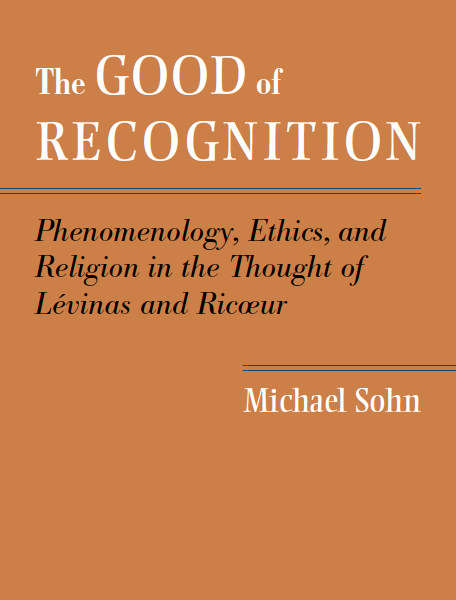
The language of recognition is of such frequent use that its presence in everyday and academic discourse is striking, and yet critical examination of its meaning remains largely absent. Its frequent use is evident in the legislative acts promulgated, the public policies written, and the social struggles waged in the name of it. Its application touches upon a broad spectrum of issues ranging from multiculturalism to national sovereignty, from matters of international human rights to social movements within feminism and civil rights.