Mt. Carmel represents a very particular vision of Divine power, one dependent on a definition of power that equates it entirely with the strength to impose one’s will on another – even to the point of death. It’s an astonishing demonstration, yet also an extremist one, requiring power to equal unfathomable force: the unquenchable fire and Elijah’s subsequent unquenchable thirst to eliminate his enemies.

The picture painted here, especially by the verses of the Psalm not included in the lectionary reading (Psalm 104:1-23) is an astonishing vision of the ubiquity of the Creator within their creation, directly immersed within the moment-by-moment dance of life in its most intimate, even quotidian – eating, drinking, growing, building, nesting: these are the tasks of home and family. Divine empathy for daily life, in its glorious diversity, for everything that is alive.

How do we maintain hope in the face of a seemingly unending time of strife, violence, and conflict? Seek out beauty, depend upon hope…and dance, even in the face of unending war. Hope does not ignore the struggle, nor does it free us from the scars resulting from our struggles. The people of Israel will always carry the scars of their trauma with them; yet, scars also signify survival.

Jesus’s followers seek a “prophet” who serves human desires for control and vengeance: the power his followers think is essential in order to defeat their human oppressors. They forget that the prophet only ever serves the Divine will, which has a vision wider than the cosmos, concerned with re-establishing the harmony that was written into the fabric of creation from its very beginning.

It is only in the memories of Jesus the fully human that we can find what I argue is the greatest power of the Passion for human lives held captive by the oppressive forces of Empire: the strength to face our crippling fear, stare the full oppressive might of the state in the face, and refuse to cede our full humanity – our joy, love, compassion, and hope – in service to the state’s liturgies of violence and fear.

The God present in the book of Jonah is a God who never gives up hope on anyone, even those who have perpetrated the worst evils. Also, the God present here is a God who demands that we repent thoroughly, completely, and without reservation. This is not a cheap reconciliation, but a very costly one indeed.

The greatest potential implication of Isaiah 11:1–10 lies in the way it disrupts our expectations of justice, equality, and peace by framing of our narratives of the perfect society and unsullied nature. Rather than Utopia, the passage offers us a vision of a perfectly imperfect world order in absolute harmony.

The only true way to achieve success—even success in bringing justice to those who seek it, redistributing wealth towards the poor, and divesting oppressive hierarchies of their power—is to place our faith in God’s will for the world, and to follow God’s will for our lives, no matter where it leads.

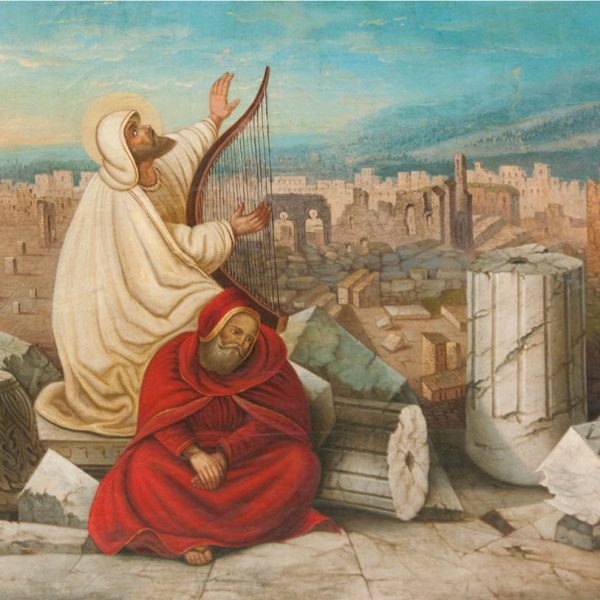
Our societies are built upon the oppression of the poor and marginalised and yet, unless we remove ourselves entirely from the web of cords, laws, taxes, products, and biological needs inherent in twenty-first century life, we are forced to participate in the oppression of others, and the destruction of our habitats. We see, we know that the world is on the brink, yet we cannot escape. Facing such a reality, Jeremiah offers us a way forward: we lament, we express our rage, we retain hope by continuing to call for change, and through it all we never allow ourselves to be numbed or silenced by the enormity of it all.

Faith is an enacted practice we live into through our whole selves, continuously laying our souls and bodies bare and vulnerable before the unknown. The consequences of this are thoroughgoing, touching every single aspect of our lives and making demands on both our loyalties and our activities in the world.

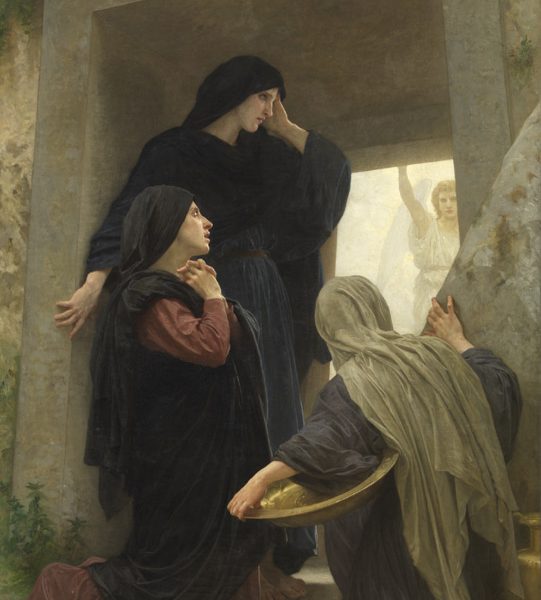
The story of the Resurrection of Jesus Christ is the foundational memory of Christianity. It is a story that not only tells of God’s power over death and the fragility of the empire’s power over life, but also demands that all perspectives be heard, in a grand cacophony of voices, all in common song, singing of the impossible mystery: Jesus is risen, indeed.