
The White House report on the Smithsonian is not a correction of the historical record but a theology of it, reviving the covenant grammar that once made conquest read as providence. Against its demand for absolution without confession stands the one act that actually costs: returning the dead.

Benjamin Davis responds to Zahi Zalloua’s review of his new book, Another Humanity: Decolonial Ethics from Du Bois to Arendt (2025).

Zahi Zalloua responds to Benjamin Davis’s review of his new book, To Exist as a Problem: Being Black, Being Palestinian (2026)
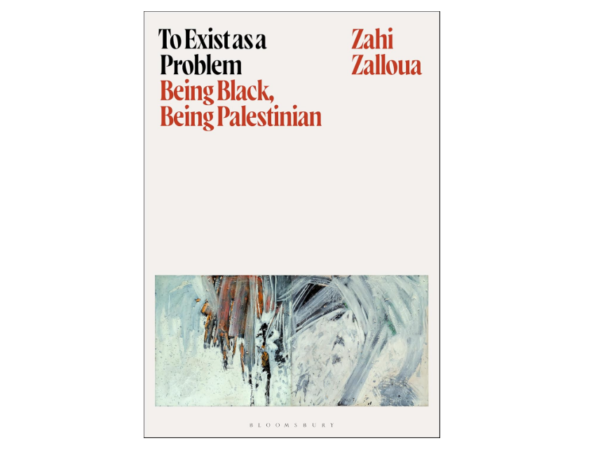
Benjamin Davis reviews Zahi Zalloua’s new book, To Exist as a Problem: Being Black, Being Palestinian (2026).

We interviewed Claire Blencowe on her new book, Spirits of Extraction: Christianity, Settler Colonialism, and the Geology of Race.
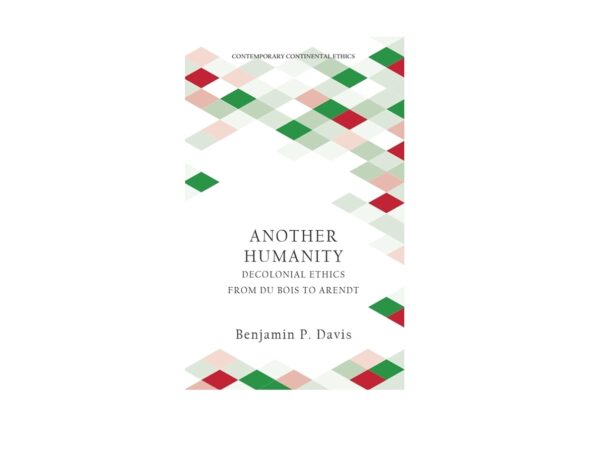
Zahi Zalloua reviews Benjamin Davis’s new book, Another Humanity: Decolonial Ethics from Du Bois to Arendt (2025).

This essay is part of the Discourses in Spirituality Round Robin.

This essay is part of the Discourses in Spirituality Round Robin.
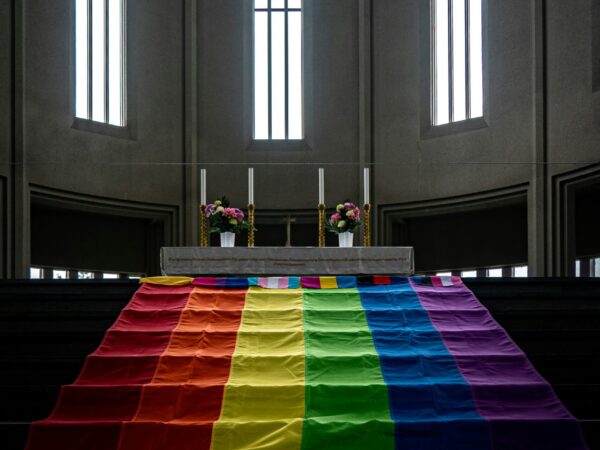
An interview with William Stell regarding his new book, Born Again Queer: A History of Evangelical Gay Activism and the Making of Antigay Christianity.

This essay is part of the Discourses in Spirituality Round Robin.