
Healing the wounds of the world begins at the tossing of seeds in the middle of a city, the falling of flaming tongues on the early church, and the persistent faith, hope, and love that community care provides.
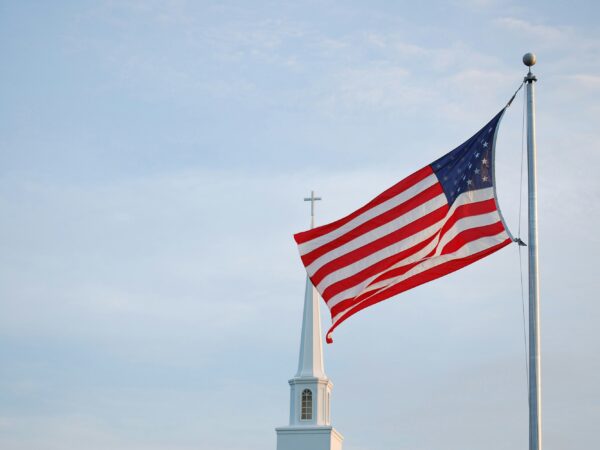
Jesus offers power through the gift of the Holy Spirit. Rather than being consolidated in one place or in one person, this power is dispersed, establishing not a national entity but an ever-expanding community of belonging.

We live in a hyper-ideologized age. The inner circles of both “us” and “them” are getting smaller and smaller. The world is increasingly polarized, partisan, fundamentalist. Or at least it seems so. There are forces—including algorithms—at work, teaching us to think in “us” versus “them” frames.

If someone is in an abusive relationship, are they to forgive their abuser? If someone is actively and repeatedly harming us, are we to forgive them? If this theological-ethical conundrum gives you pause, you are not alone.

Saving ourselves is not about creating an escapist bubble of churchly naivety while the world crumbles around us…
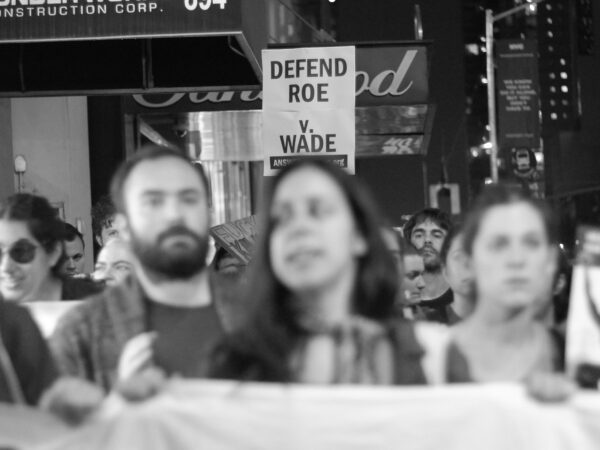
Lydia does not need a man or any other figure of authority to speak for her or to dictate her life. She is her own agent and even Luke-Acts’ Paul has to respect that. She cares for her own, commits to seeking justice, and makes her own choices.

Pentecost experience offers a vision of surplus that allows all people to flourish because the source of meaning and purpose for each society is grounded in a God of surplus.

Despite meeting all the eligibility criteria, Peter and the men disciples did not regard the women and mother Mary to be considered for this new post of apostleship. They were looking to choose ‘one of the men’ who would meet the criteria.

As a motif of Easter grace, the mountain is a place of new beginnings and renewal for all who seek abundant life.

The laws at Sinai are no ball-and-chain, implementing a new form of slavery. They express the practical dimensions of life in freedom, the boundaries within which the nation can experience a life-giving form of service to the One who graciously rescued them from servitude. In short, they are revolutionary.

Pentecost isn’t simply about the dreams of old men or the prophesies of children; though, these, certainly, are a part. Pentecost is about living the dream.
Inspiration—being filled by the spirit, is not about dreaming dreams or seeing visions, it is about living them.
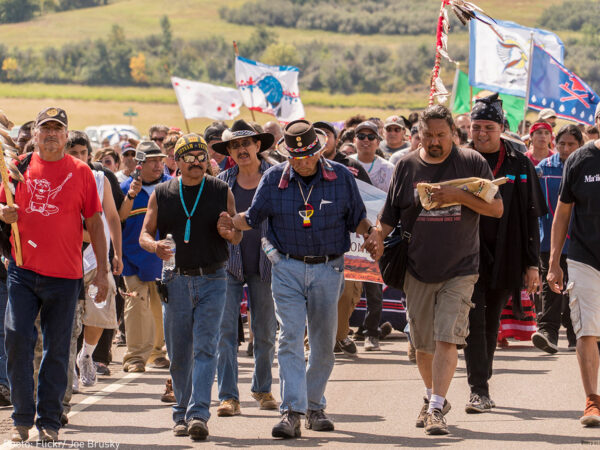
As tempting as it might be to assign murderous impulses to so-called former colonial times, Christians would do well to pay attention to how such logic continues to operate today in theological and political thinking.