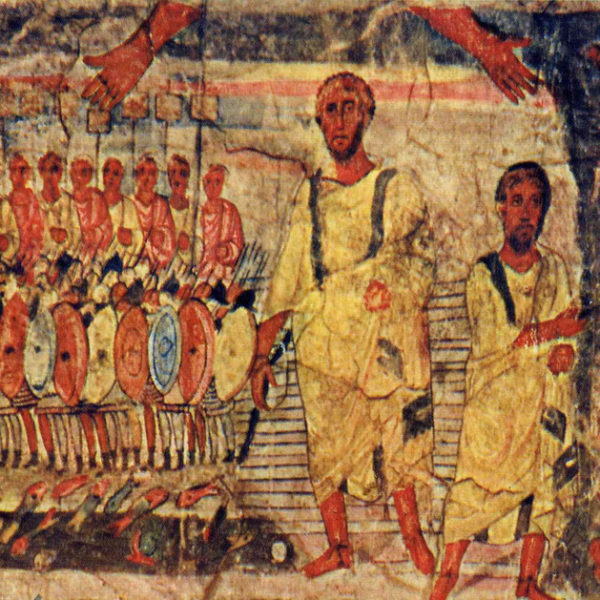
The first commandment—that Israel should have no other gods beside YHWH—is the foundation for our liberation, as it was for Israel. It delivers us from all other ideas or powers that might claim our absolute loyalty and obedience.
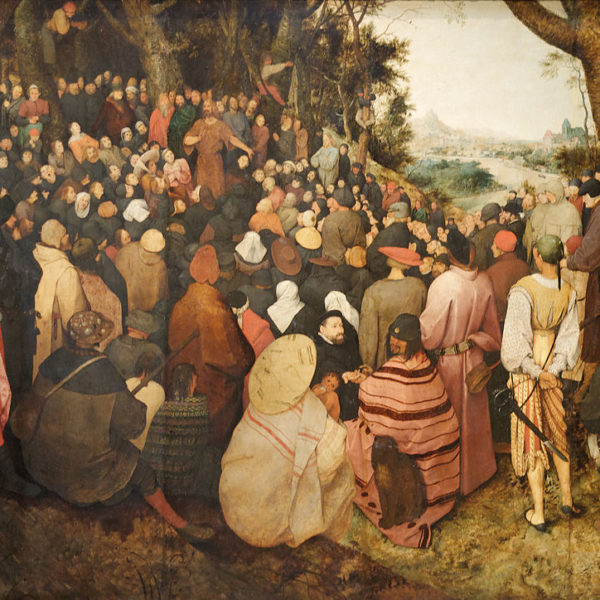
At moments of crisis, it can be the responsibility of committed individuals to secure and represent the self-understanding of the community or nation to which they belong, to provide the seed from which the entire social body can be renewed. Within easily neglected political dimensions of the baptism of John we may be recalled to our potential and vocation as political individuals in this regard.
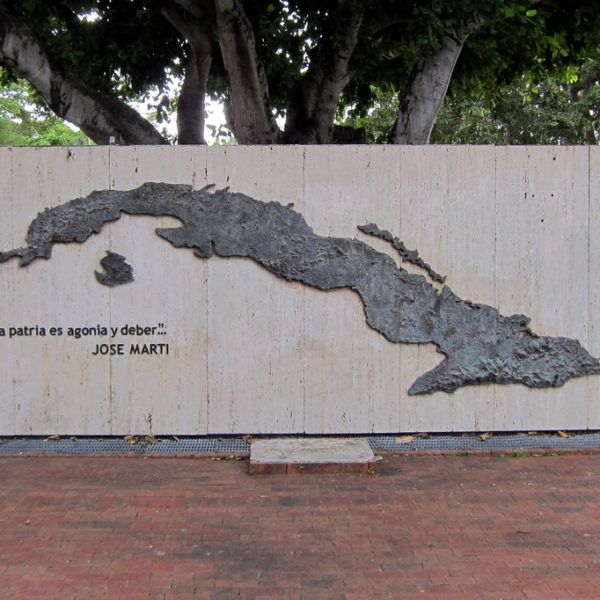
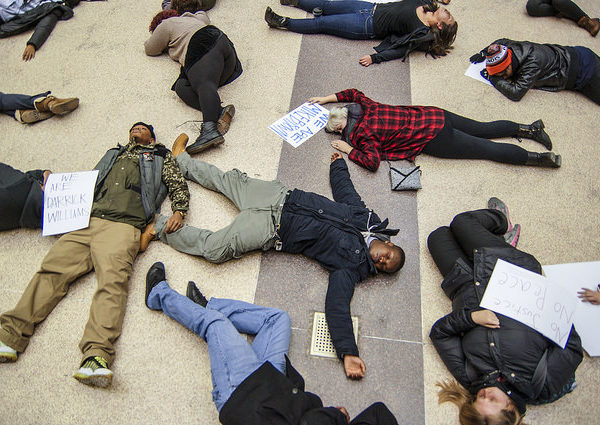
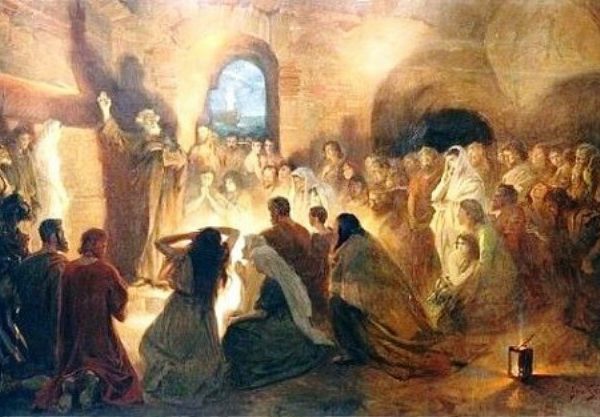
The Apostle Peter calls for the virtues of patience and peace in our waiting for the eschaton. At face value, these virtues might appear more congruent with an apolitical complacency. However, closer reflection reveals that they involve both the work of bringing peace and commitment to works of anticipation.

In a recent video (Humans Need Not Apply) CGP Grey challenges us to imagine a future in which the majority of human work will be performed by ever-more finely-calibrated machines (coordinated by ever-more complex software). Lest we doubt it, he suggests that the seeds of this future are already with us.
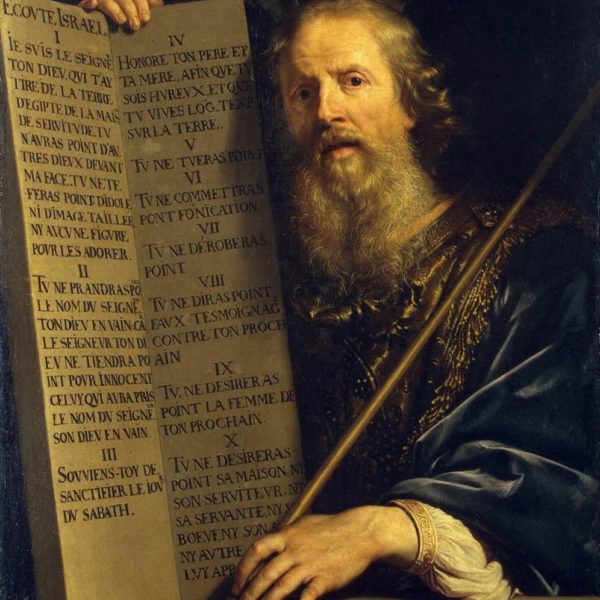
The idea that the political aspects of the Ten Commandments are confined to the latter portion and that the beginning portion is only ‘religious’ in nature is unsustainable. The politics of the commands themselves as well as the politics of the conversations in which those commands are embedded continue to be instructive for faithful communities today.

For me the field of political theology does not exist in isolation from a number of other disciplinary genres. There are some older texts which helped mark out the territory and possess a kind of classical importance. That claim needs to be seen in perspective. I am writing out of Australia and, prior to living here, taught theology in Aotearoa-New Zealand following postgraduate study at Cambridge.
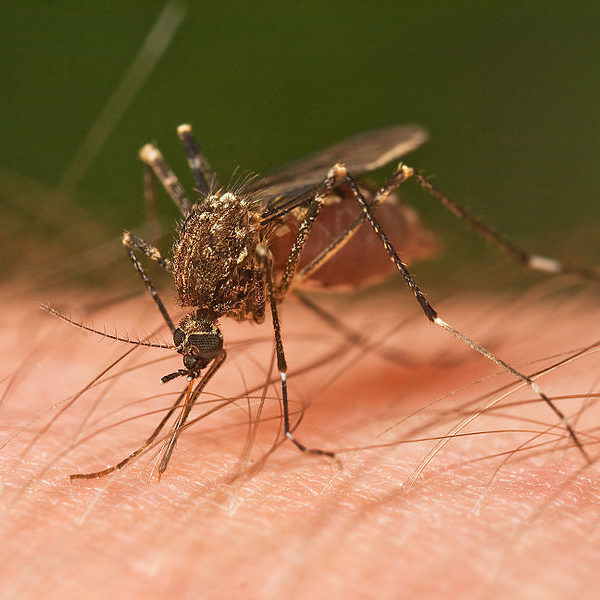
Preventable cases of and deaths from malaria remain a reality in many poor countries in our world. In Jesus’ encounter with a royal official and the healing of his fever-ridden son, we can gain insight into an appropriate way to relate to such continuing crises.
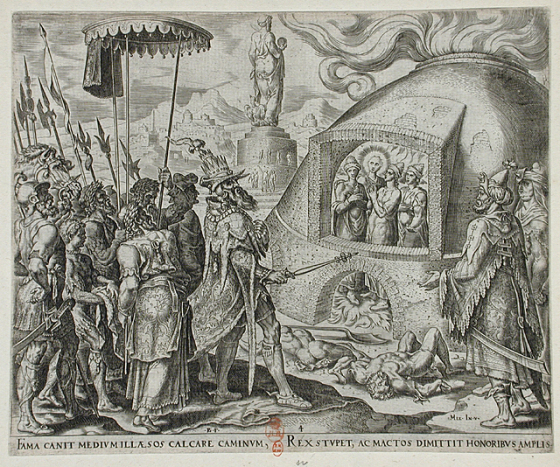
The story of the deliverance of Daniel’s three friends from persecution for their faith takes an unpleasant turn as a new form of religious oppression is set up as its immediate effect. Apparent victories are all too often co-opted by the vicious dynamics of the political systems that they appeared to have overcome. In Advent, however, we see a political rupture that can never be dissolved back into the prevailing power structures.