
What happens when kings and rulers are confronted by a child whose very presence boldly proclaims that God is with us? Sometimes children have an astounding ability to disrupt the status quo. They resist passivity and compliance, they dream boldly and they demand justice. Who are our Immanuels today? And what do we do when we encounter them?

From Colombia to South Africa, from a decolonial stance to trauma theory, these scholars have offered polysemous approaches to the political as well as the theological.
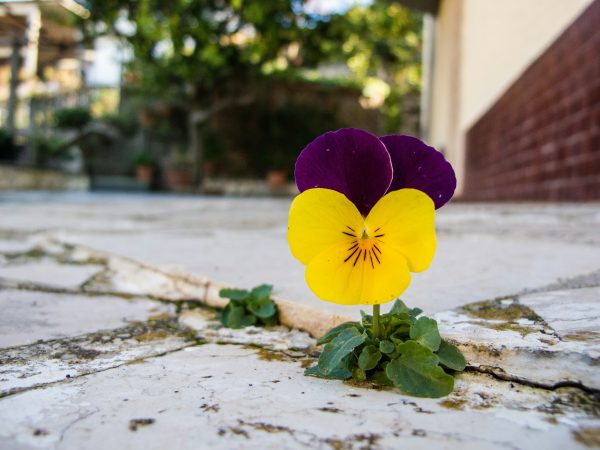
We must remember that stories are only alive as they are told and retold, embedding themselves in a society’s soil and growing as people inject energy through letting the story play out in the world.
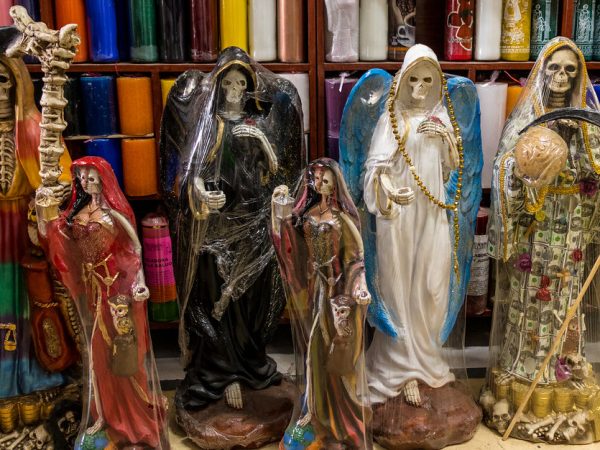
When we perceive La Santa Muerte devotees as people operating outside of the rules instead of people seeking God in the messiness of a broken world, we miss the fundamentally holy desires that operate alongside the damaged ones in these practices.

The lectionary texts for this week call us to recognize and pursue a spirituality that is holistic; a spirituality that cares for the needs of the poor; a spirituality that takes the side of the needy against the powerful; a spirituality that entails a revolution of the heart; and a spirituality that takes the question of neighbourliness seriously. Such a spirituality would put us on the path of revolutionary neighbourliness.
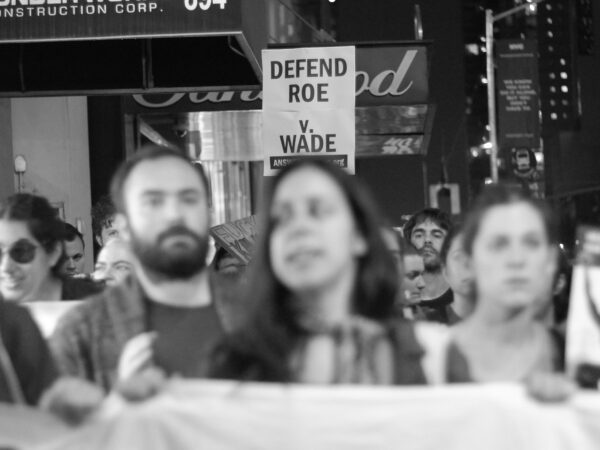
Lydia does not need a man or any other figure of authority to speak for her or to dictate her life. She is her own agent and even Luke-Acts’ Paul has to respect that. She cares for her own, commits to seeking justice, and makes her own choices.

Love disrupts both the ruin and misery we inflict upon others as well as our preoccupation with ourselves, for these are interdependent, synergistically working together for the degradation of all.
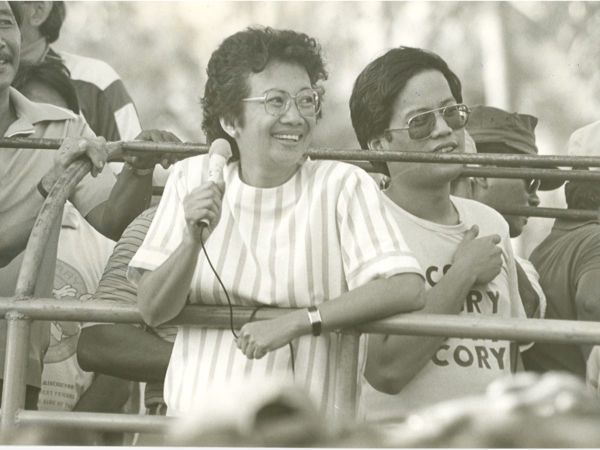
It turns out that when weighing warfare’s costs, benefits, and odds of success, its overall record is surprisingly weak.

Hobson, Sherman, and Paulsell are inspiring writers, and their thoughtful, learned, critical engagement with my writing is, I believe, an example of the micro-relational politics that give hope during challenging times.

What might it mean to learn from the past now that time has moved on and “the past” now refers to a bygone era of liberal hegemony?

This widow of Mark 12 is the same widow of Psalm 146 and the same widow of the Torah that God promises to uphold, protect, and do justice for. We are called to do the same.
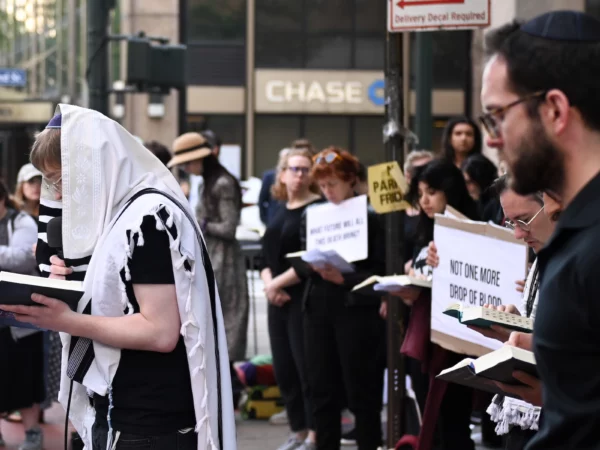
The grass seemed greener in Orthodoxy, I’ve realized, because my yearning for authenticity and escape reflected a structural lack embedded in late capitalist dystopia… Today, it seems to me more honest to learn to live with this lack, than to imagine that any faith, flag or folkway can fully fill it.