The use of social media enables the projection of self-identity through digital content. It also enables new possibilities for self-surveillance and surveillance by others, including the state. The Boston Marathon bombings helped demonstrate the nexus between social media and the surveillance state.
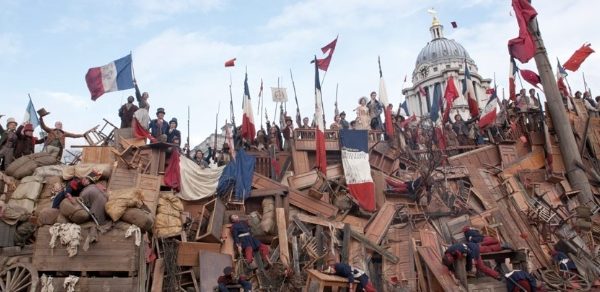
In this post, Brethren minister Brian R. Gumm reflects on the political & eschatological vision of kingdom come in the movie version of Les Misérables, and suggests that violent revolution should not be conflated with righteousness and work for Christ’s peaceable kingdom.
Viewed in the light of liberal commitments, Calvin’s chief error appears to be his presumption that the civil magistrate has not only the right, but the duty, to use his coercive office to enforce “piety.” As Calvin argues, the political ruler must recognize his duty “to cherish and protect the outward worship of God, to defend sound doctrine of piety and the position of the church” and to “form our social behavior to civil righteousness,” thus promoting social peace (Institutes 4.20.2). To liberals, of course, this appears dangerously intrusive.
In the lectionary, Transfiguration follows the season of Epiphany with one last display of light. The lights flare brilliantly and momentarily and then are dimmed. The gospel then sends readers on their way, on the road through Lent following Jesus toward Jerusalem and the cross.