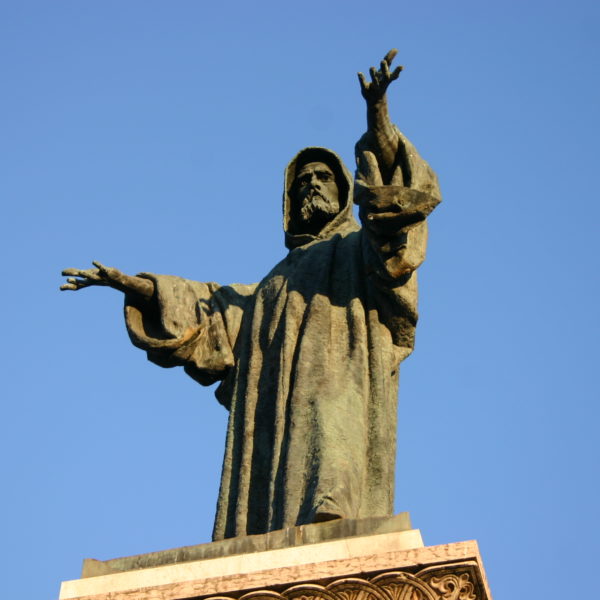
The Middle Ages were filled with strange, passionate, and fascinating figures, often hidden from our view by the long shadows of the likes of Anselm, Francis, Aquinas, or Ockham. The great theologians earned their influence, of course, but there are also things to learn from some of those to whom history has been less magnanimous. I want to introduce one such figure here: Arnold of Brescia.
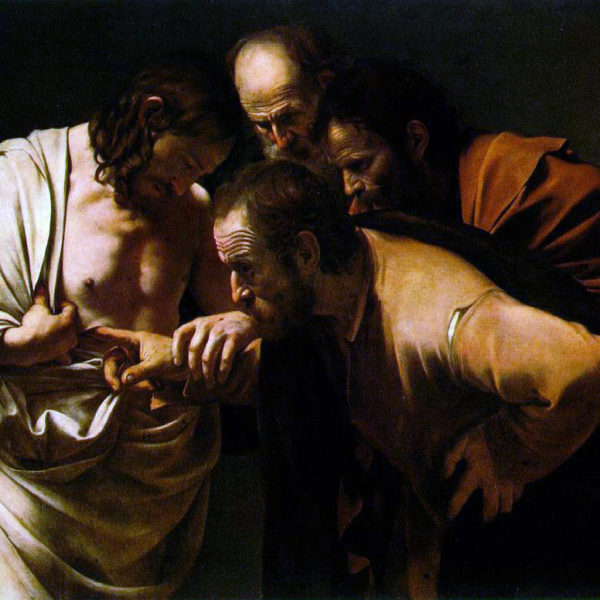
John’s account of Jesus’ commissioning of his disciples differs from that of the Synoptics in illuminating ways. Through an understanding of the relationship between Jesus’ own commission and that of his disciples, we can gain a richer appreciation of the primary character of our political task.
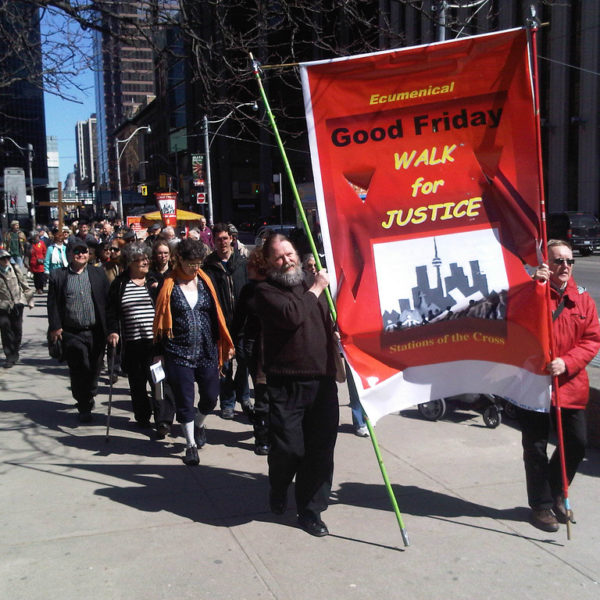
This year’s conference focuses on questions of the possibility of new utopian faith beyond nation, state, capital, the world market and world citizenship based on the economy of (global) sovereignty. The deadline for paper proposals is June 1, 2014.
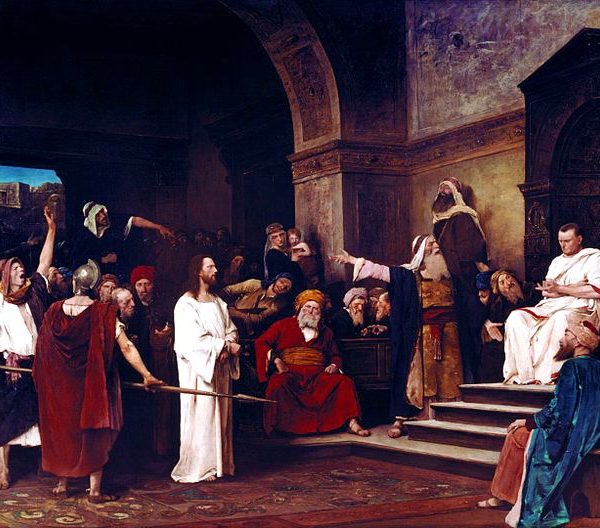
As Christ speaks the truth of his kingdom to power, it is heard as if it were a foreign tongue. In Jesus’s cross-examination before Pilate we see two misunderstandings of the nature of his kingdom and a central challenge of Christian political theology is brought into clearer focus.

Let’s say for heuristic reasons that there are two kinds of discourse, mainstream and radical. And then ask what happens when radical discourse enters or is brought into the mainstream. What would it mean to “moderate” that discourse that presents itself as radical?

I first taught this graduate seminar in 2008 as a “Topics in Political Thought” course, and called it “Political Theologies” – a political theory seminar, cross-listed with Study of Religion. Part of the motivation for teaching it was finding a set of themes and readings that would work well in a cross disciplinary way, as I’m jointly appointed to both Political Science and Study of Religion.
This issue of Political Theology focuses on the theme of “religion and radicalism.” It is one of the fruits of an international research network of the same name, a network that has members from nearly every inhabited continent on the globe.

In a recent article defending a “nudge” approach to public policy, where behavioral economics is employed to provide mild modifications of individual preferences and behaviors in ways that serve said individuals’ good, Charles Mathewes and Christina McRorie take Richard Williams to task for his “libertarian” criticisms of the nudge approach. I’m rather sure that the libertarianism they attribute to Williams is neither necessary for his argument or a remotely accurate portrayal of libertarianism as a political philosophy.

We would like to begin with agreement on something fundamental. The team of Mathewes and McRorie are surely correct about the persistence of nudging in our lives. We are nudged by the cereal company that pays to have its product on the top shelf. The little tables at the end of aisles in Barnes and Noble are miniature subdivisions with real estate sold to publishers. Those tiny neighborhoods of books are nudges.
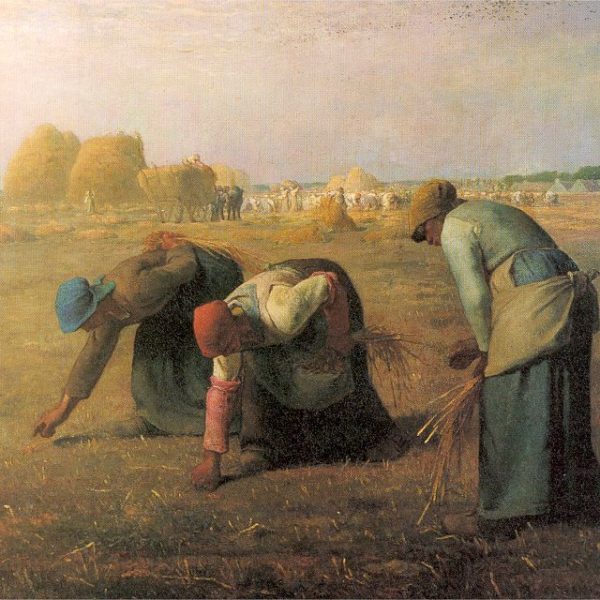
In YHWH’s instructions to Israel in Leviticus 19, we see a concern for social justice and the righteous treatment of the poor and weak which has continued relevance in our own day.