
It is only in the memories of Jesus the fully human that we can find what I argue is the greatest power of the Passion for human lives held captive by the oppressive forces of Empire: the strength to face our crippling fear, stare the full oppressive might of the state in the face, and refuse to cede our full humanity – our joy, love, compassion, and hope – in service to the state’s liturgies of violence and fear.

During this season of Lent the pandemic gives us quite a taste of the Exodus journey of our mothers and fathers in the faith. Even though there are signs of hope (the vaccine being one of them), we are like those walking around in the wilderness without having much hope or orientation.

If God invites dialogue and intervention and is moved by human persons, God is thus open to changing God’s mind. This picture of God has implications for human interactions. In cultural and political movements, people often make up their mind and are unpersuaded by what other people say or do. When these others are suffering others, being unpersuaded is a mark of tyranny. When evidence of malevolent intention is presented and the evidence is brushed aside in favour of aligning with larger—national or otherwise—interests, impassibility is a crime.

Jonah sat in the belly of an ocean beast for three days rather than face his duty to call Nineveh back to God. And Christians — especially white Christians — in this country have long been ignoring their duty to call one another to repentance.

This Advent, we are in desperate need of both prophetic voices and prophetic imaginations. Voices to put our politicians in their place and imaginations to help us recognize the shape of God’s hesed in the midst of personal and global trauma.

The survivors were oppressed and deprived of their freedom, dignity, identity, womanhood, and youth. However, they are now human rights movement activists, teachers, living testimony of the painful history, and much more.

One cannot be politically smart, but willfully wicked. For the leader and for the voter who would be tied to the Scriptures, “smart” is a moral term.
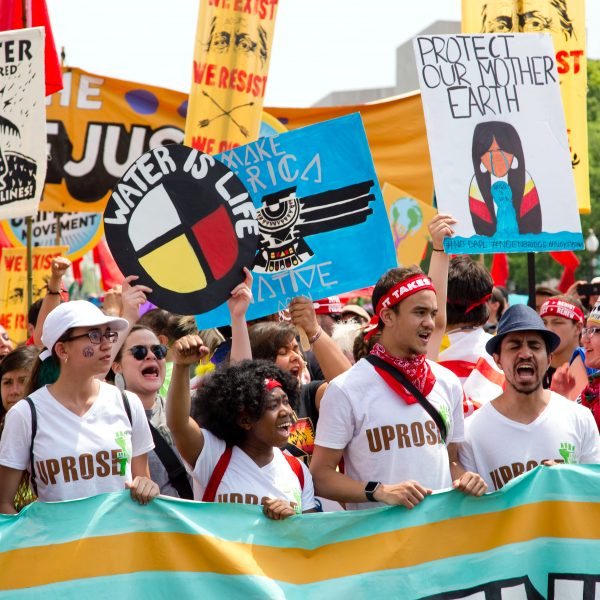
As tempting as it might be to assign murderous impulses to so-called former colonial times, Christians would do well to pay attention to how such logic continues to operate today in theological and political thinking.
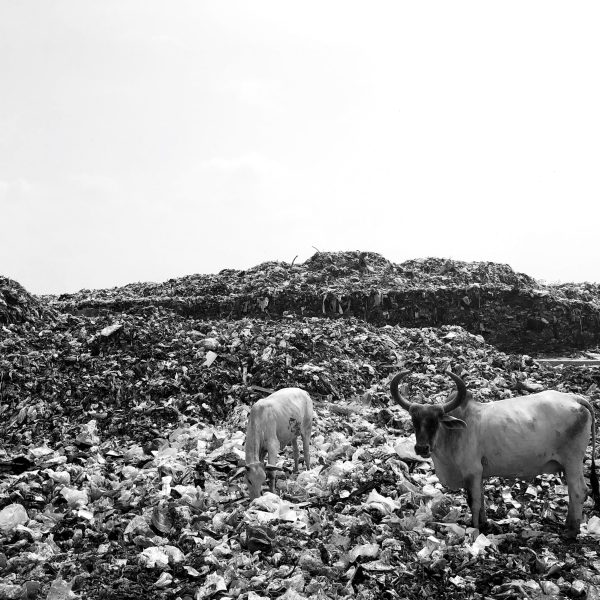
We need to recognize that whether we like it or not, the global community is in this crisis together. Our survival depends on learning to share the abundance we have—our natural and financial resources, as well as scientific expertise and creativity—in the fight to combat climate change.

Compassion and solidarity make for a powerful bond between God and humanity.

If we read carefully, we discover that no psalm is off limits for the early church. They needed them. And so do we.
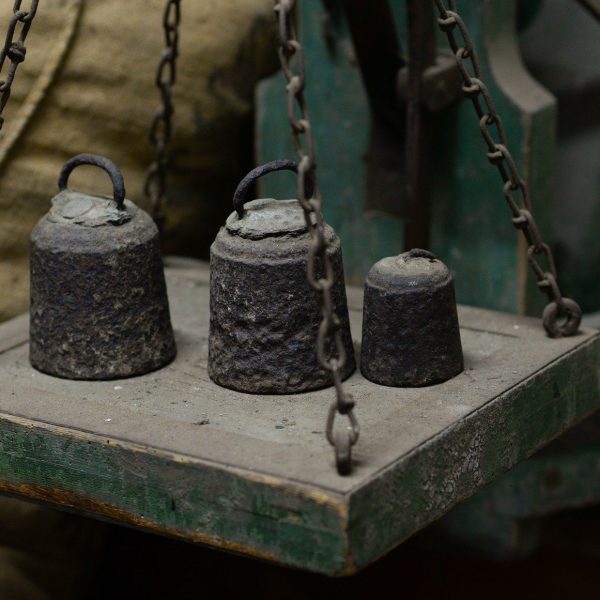
We must learn to subvert the economic model of our rulers by reconnecting with older models based on reciprocity, hospitality, and love.