A second expression of relationality is covenant. It is a bond between distinct parties where each gives for the flourishing of the other. Unlike contract, which protects interests, covenant protects relationship.

Rendering to God what was God’s meant offering our lives as living sacrifices of worship to God, as one would offer coins as tax and tribute to one’s sovereign. The human was theologically monetized—or coined—in the name of dedication to God.

I am interested in exploring and critiquing the discursive implications of designating this area as wilderness, given the history of this idea and its role in dispossessing Indigenous communities.

While not often recognized as political theology proper, environmental justice movements have for decades been sites of normative creativity. Sometimes overlooked as conventional rights-based complaints against locally unwanted land uses, these movements have in fact depicted ecologies of white supremacy while deploying rights, sacralizing land, and reimagining the human in ways that would utterly reconstruct the basis of politics.

We appear isolated. Yet, over the years that we have brought our farm into our family, I have come to see ourselves as part of a worldwide imagined community of small farmers.

When did the discourse on climate change begin? How was it related to colonialism? And in what way did it serve political objectives in Israel/Palestine throughout the 20th century?

From an economic perspective, what we are all experiencing is as simple as it is painful: what we are experiencing is the voluntary and forced breaking down of the relationships we rely on to flourish as social creatures.

True stewardship is about the shift in perspective from climbing up a tree to serve one’s own ends to climbing down to serve others.



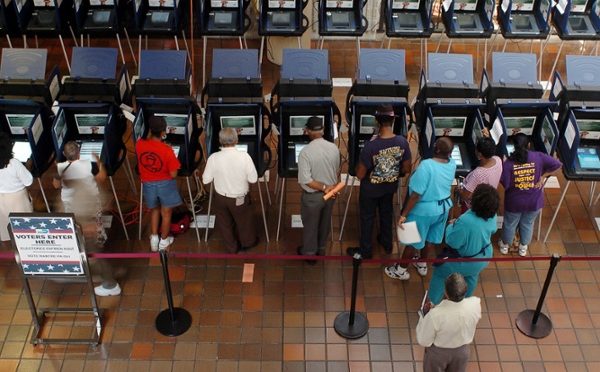
One can read the results of the 2014 mid-term elections in the United States in terms of whatever dominant political inkblot they favor. The narrative of the American right-wing, of course, is that the resounding Republican victories at both the Congressional and gubernatorial levels constituted a resounding repudiation by the voters of the Obama administration’s policies and pari passu the much vaunted progressivist politics that seemed to have finally taken solid root in American political soil with the 2008 election.