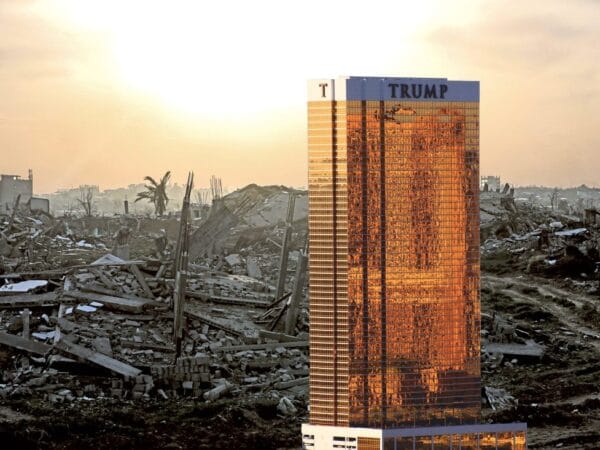
Even the highly professionalized logos of scholarly discourse does not just suffer from logoclastic dynamics but is positively animated by them.
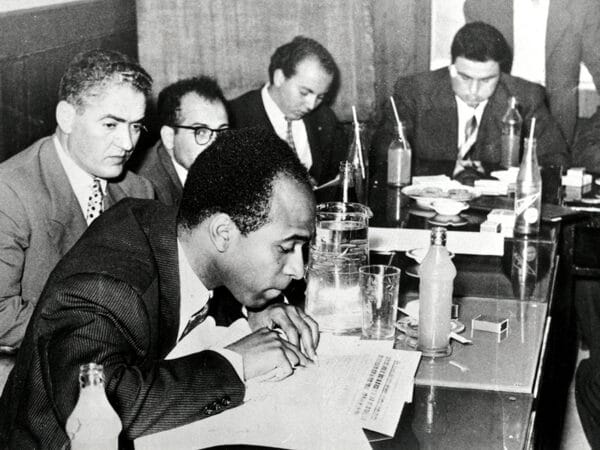
This is the aspect that worries me most: radical logoclasm as the license to violence that can establish itself as a permanent stasis, infinitely delaying the logogenic challenge of creating a new way of speaking.

Politics does not lie in interruption as such, but rather in a process that includes this transition. This transition does not simply reaffirm the existing logos, but must be able to restructure or modify it significantly each time. From this perspective, Lapidot’s true politics reveals its other name: translation.
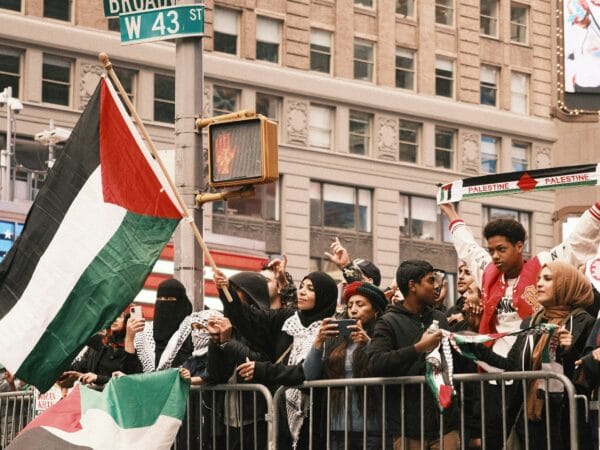
Violence here is not the symmetric flipside of speech. While destroying the semblance of peaceful normality, the violence of Palestinian armed struggle “communicates” on a political and epistemic level: it violently makes violence visible.
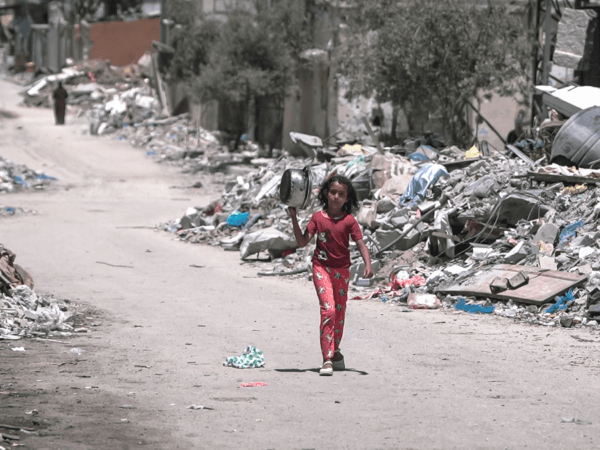
Against the backdrop of Gaza and Europe’s muted response, this essay reflects on Elad Lapidot’s challenge to recognize the violence hidden in the language of peace.
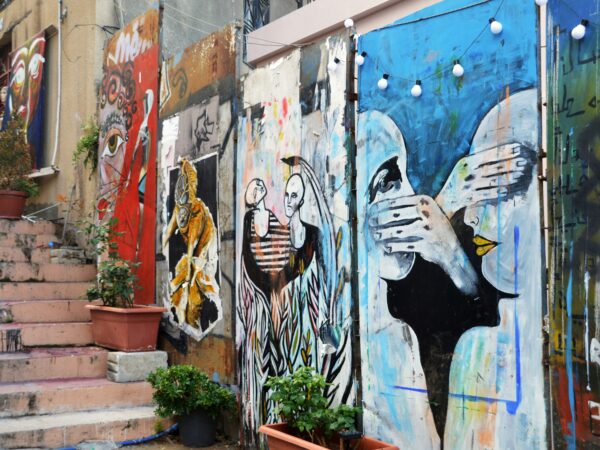
The ability or inability of insiders to hear the silences that arise on the other side of the borders drawn by colonizing societies around themselves, to perceive them as the echo of missing voices, may constitute, for the victims of colonialism, an indication of whether they can place their hopes for a more just world in something other than violence.

The rabbinic formation of the goy involved a whole project of Othering, whose medium and toolkit was provided by halakhic discourse, while its ideology was supplemented by the aggadic midrash, where goy is presented as a conduit for the presence of God in the human world and a sure trace for His steps in history.