
Is the affective sense of meaning, purpose, and immanence a useful political horizon? Is this discourse of utopia something that we should seek to synthesize in religious or secular political contexts, even if its nostalgic historical reality is not born out in factual analysis?
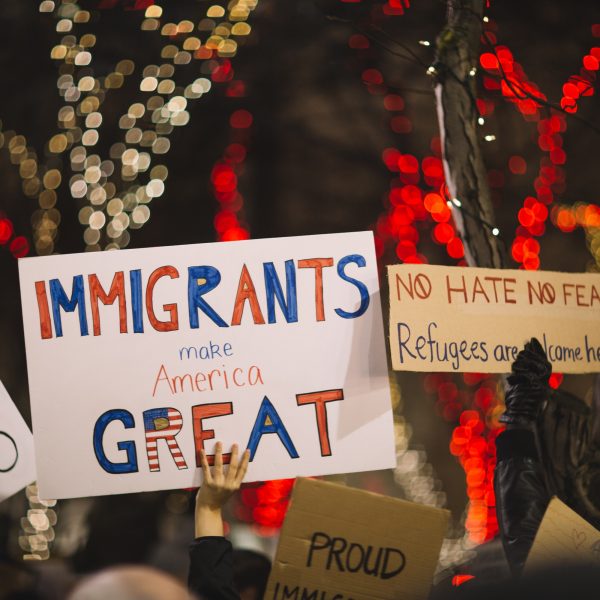
Embodying the best of the prophetic tradition, the text encourages us to consider that religion, in fact, does have functions: liberation, feeding the hungry, inviting vulnerable strangers into our homes, and undoing injustice.
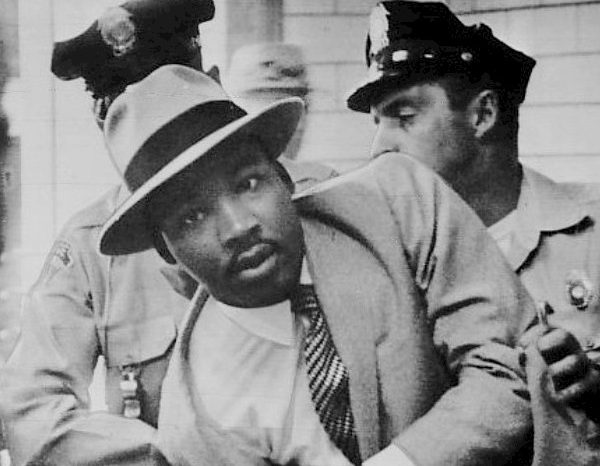
It is our critical memory that prompts us to ethical reflection on the anniversary of a grave injustice.
By Kyle Brooks