Hugo Drochon, author of Elites and Democracy, discusses social movements, political transformation, democratic hopes, and populism with Maor Levitin

Healing the wounds of the world begins at the tossing of seeds in the middle of a city, the falling of flaming tongues on the early church, and the persistent faith, hope, and love that community care provides.

This essay is part of a book forum on Neena Mahadev’s book Karma and Grace.
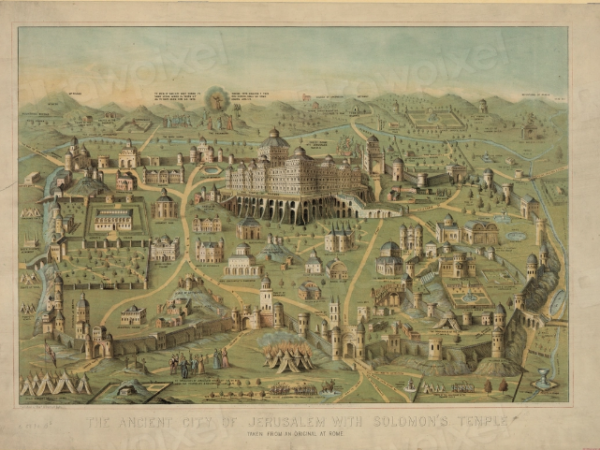
Not only does the Bible make no reference to a “State of Israel”—since the concept of the state is a modern political category foreign to the scriptural world—but it is also misleading to speak of a “people” in the modern sense.
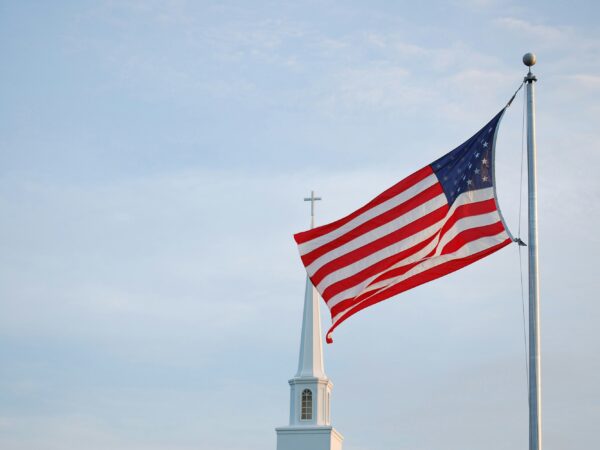
Jesus offers power through the gift of the Holy Spirit. Rather than being consolidated in one place or in one person, this power is dispersed, establishing not a national entity but an ever-expanding community of belonging.
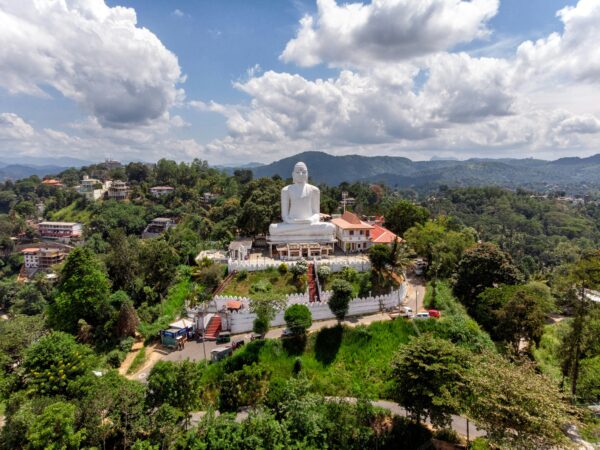
This essay is part of a book series on Karma and Grace by Neena Mahadev.
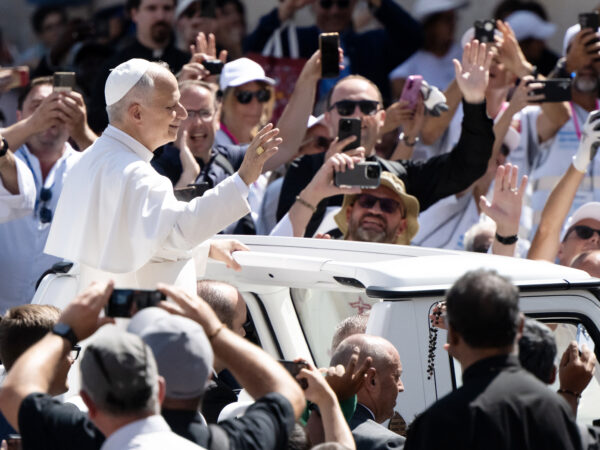
Three contributors reflect on Pope Leo XIV’s first year.


We live in a hyper-ideologized age. The inner circles of both “us” and “them” are getting smaller and smaller. The world is increasingly polarized, partisan, fundamentalist. Or at least it seems so. There are forces—including algorithms—at work, teaching us to think in “us” versus “them” frames.
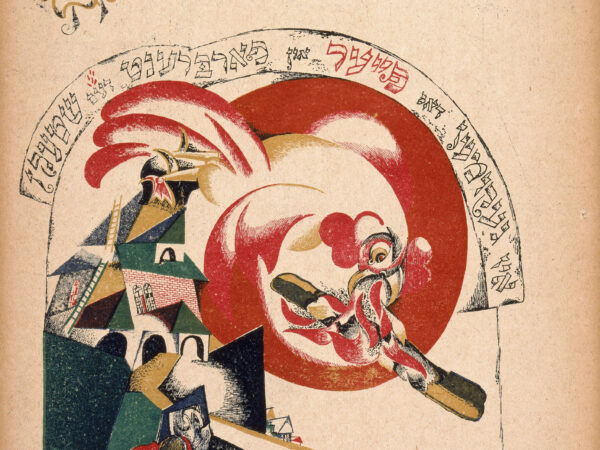
We don’t need scholars to tell us that Jewish radicalism is something of the past, dead, buried, and long forgotten. The world already tells us that every day. We need articulations of Jewish radicalism for today that activate its legacy.

The Catholic Southern Gothic author Flannery O’Connor’s short story A Temple of the Holy Ghost explores the contradictions of incarnation in ways relevant to contemporary discourse between Catholicity, political theology, and transfeminism. By engaging with the carnivalesque and Freud’s uncanny, I will apply the story to conversations about trans inclusion in Catholic communities.

If someone is in an abusive relationship, are they to forgive their abuser? If someone is actively and repeatedly harming us, are we to forgive them? If this theological-ethical conundrum gives you pause, you are not alone.