
This past weekend my Facebook and Twitter feeds were awash with rainbow colors and expressions of patriotic love for the Supreme Court of the United States (SCOTUS).
The Court’s decision in Obergefell v. Hodges granting “marriage equality” to same sex couples coincided with Pride weekend in many places, including Houston, Texas, where I have lived a good part of my life. My straight friends were particularly effusive in their expressions of joy on my behalf, as if Obergefell v Hodges were the decisive moment when people like myself finally achieved equality.
It was as if this moment were marked somehow out as sacred.

American Evangelicals and their rumblings on marriage equality will stay with us. This resilience is not simply because of the impact of their networks and numbers but because their resistance reflects a general uneasiness with the value of equality, one that is profoundly embedded in American political culture.

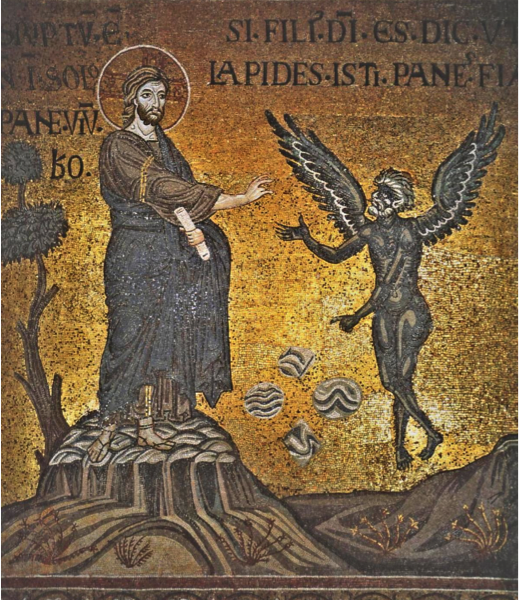
If Dostoyevsky foresaw the rise of the 20th century totalitarian states as the father figures who would feed the masses in the first temptation, what did Dostoyevsky foresee here with regards to his feared future Catholic theocracy? What Dostoyevsky saw was how the captivating of the conscience through miraculous ecstasy could manifest itself, in games and permissiveness.
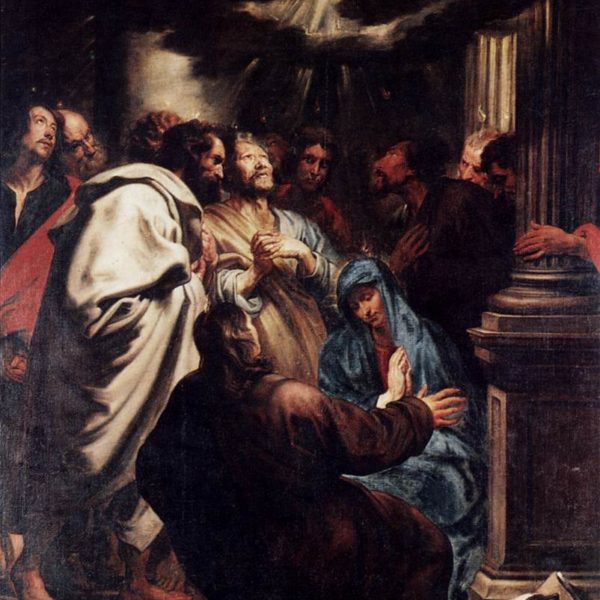
Luke’s account of Pentecost frames it as the installation of a prophet. As we reflect upon the shape of the prophetic vocation and the content and shape that Luke’s narrative gives to the Church’s calling we will be empowered for our political vocation in the twenty-first century.

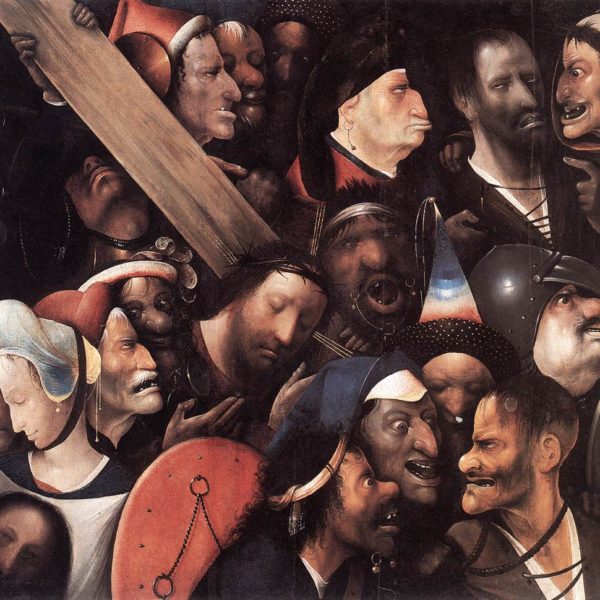
The narratives of the crucifixion are narratives within which we are implicated as sinful human beings. However, many Christian readers of the gospels have read these texts in a manner that demonizes the Jews while absolving themselves.