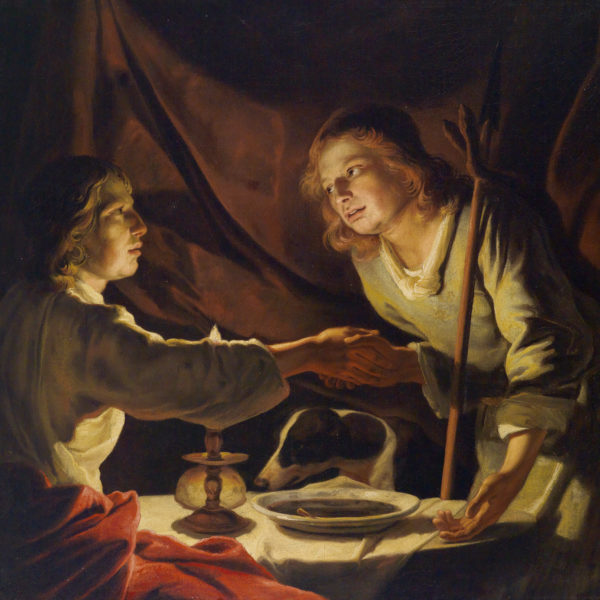
In the story of the rivalry between Esau and Jacob, we discover a typology that can shed an unflattering light on a number of the tensions that exist between people in the modern world.

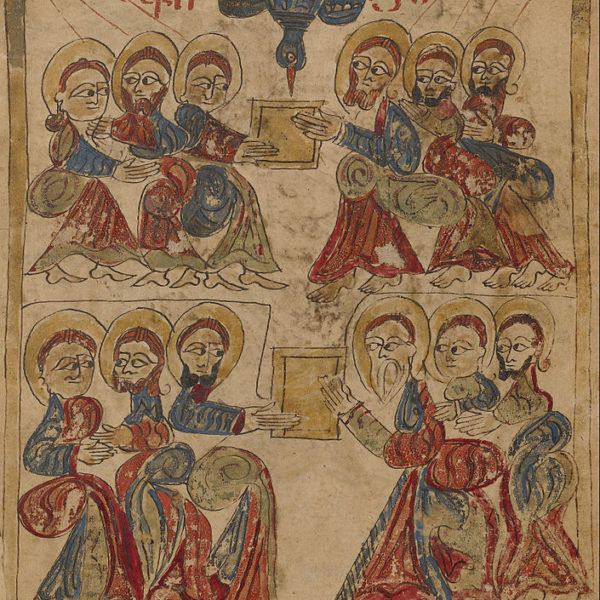
Pentecost does not present us with the ideal of the uniform, homogeneous community, but with a divine power that traverses all of our differences. God’s will is to unite us in our diversity, not to extinguish it.
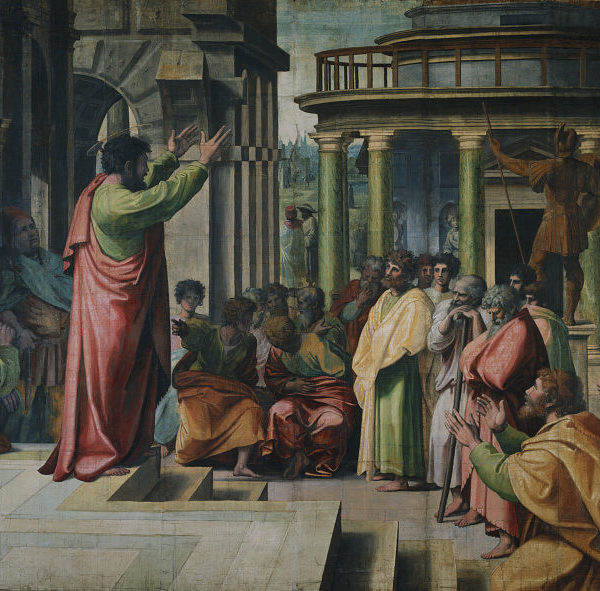
Paul’s statements concerning the peoples in his Areopagus speech in Athens have historically been used as justification for racism and Apartheid. There are, however, other ways to understand his claims.
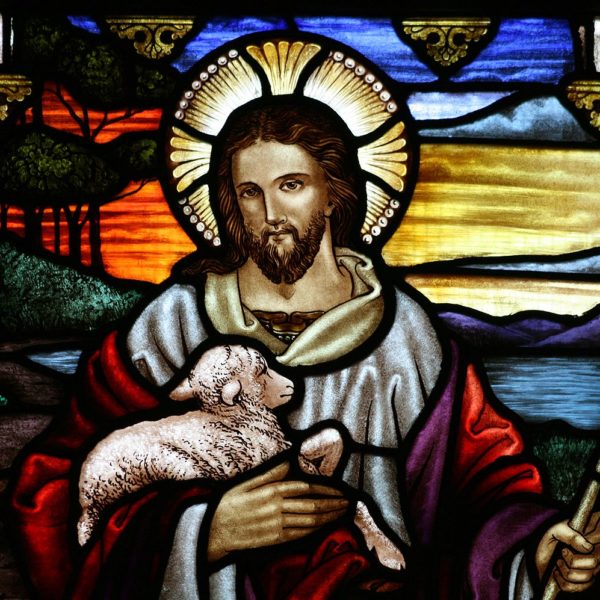
God is calling us to life in God’s world together. We are to live as those who recognize our Shepherd, who heed and follow Christ’s call.

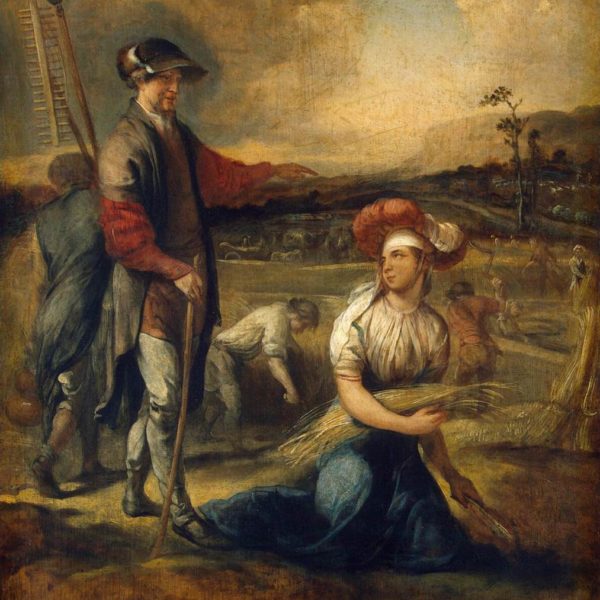
The practice of gleaning, commanded in Leviticus and illustrated in the narrative of Ruth, disrupts the sort of connection we may suppose exists between the ownership and the use of property. The principles of economic justice it implies can guide us in our contemporary politics.