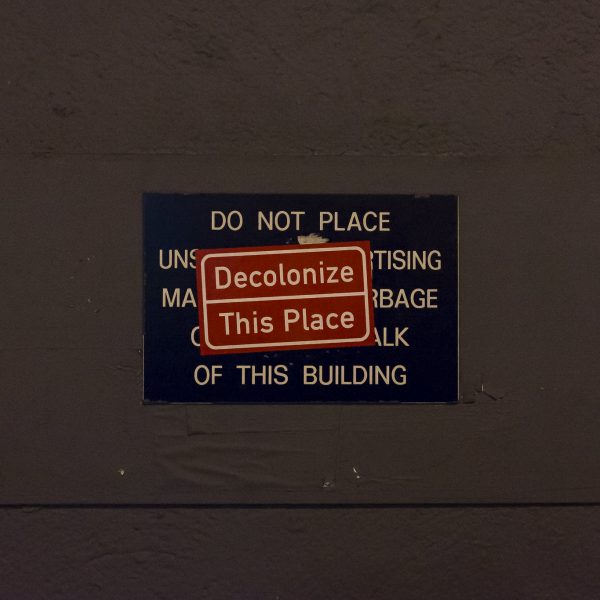
For Islamophobia as a concept to further come of age our critiques must incorporate more de-centering, more dis-orientation of the west.

Praise psalms may fail to raise our political antennae, but when we stop to consider what praise entails, we discover that praise makes the most daring political claims of all.
The purpose of the conference is to examine the dynamic relationship between politics, as the art of building the structures of shared life, and theology, as the articulation of our interrelatedness in God.
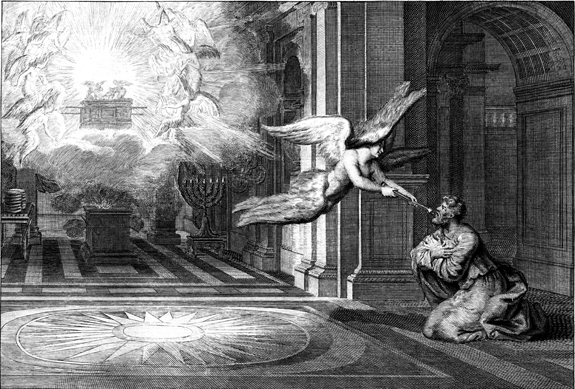
Isaiah’s call to prophesy judgment against Israel challenges us to remember God’s sovereignty over all political systems, even those that are disastrous in our eyes. Could God’s judgment be the decisive turning point toward healing?

Fostering cross-cultural and cross-racial friendships of listening are essential to creating virtuous and just societies, especially in a fractured political climate that fails to serve the human good.

We need not lose sight of the last four hundred years of political theological debate when searching for new ways to deliberate amidst diverse viewpoints and backgrounds.
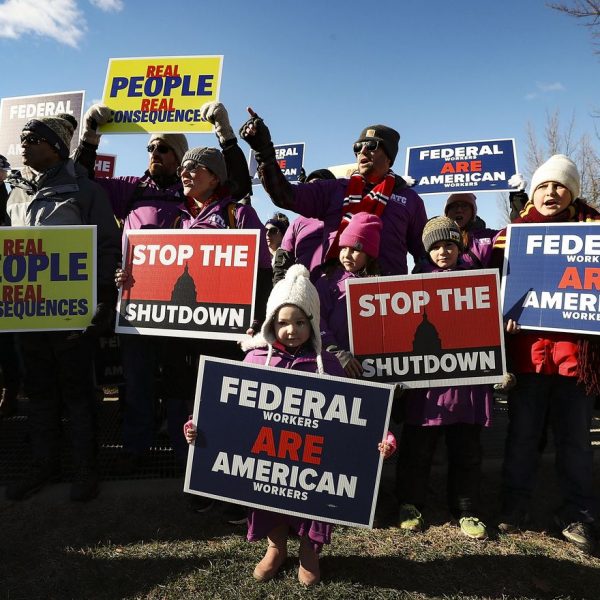
The ongoing government shutdown comes with significant personal cost to government workers and harm to the public good. It is a tragic reminder of the dignity of government work and its contribution to the common good.
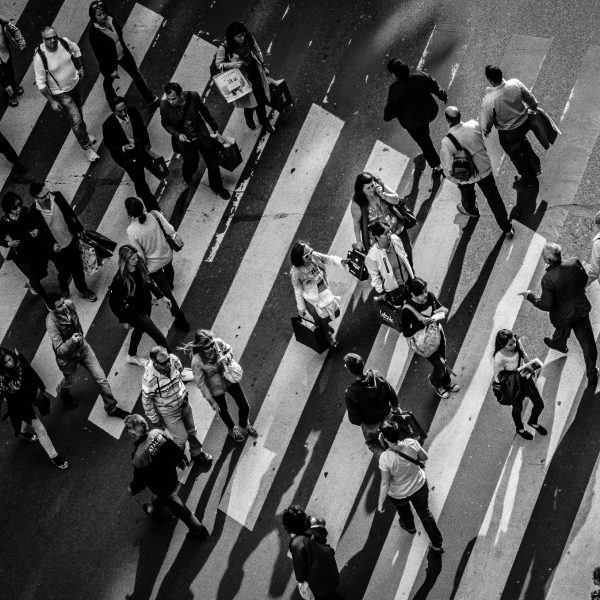
Part of our duty is to generate the publics that we want to inhabit, not simply to assent to the publics that are foisted upon us.

Agonistic practices of lively contestation constitute a practical way to love enemies and thereby to do public theology.
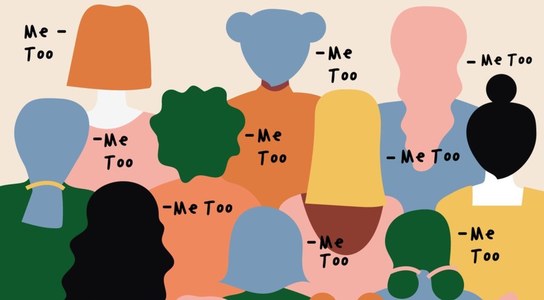
If we want to focus on stopping sexual violence we need to ask much more disruptive questions about the conserving influence within Christian political theologies that accompanies their radical critiques.
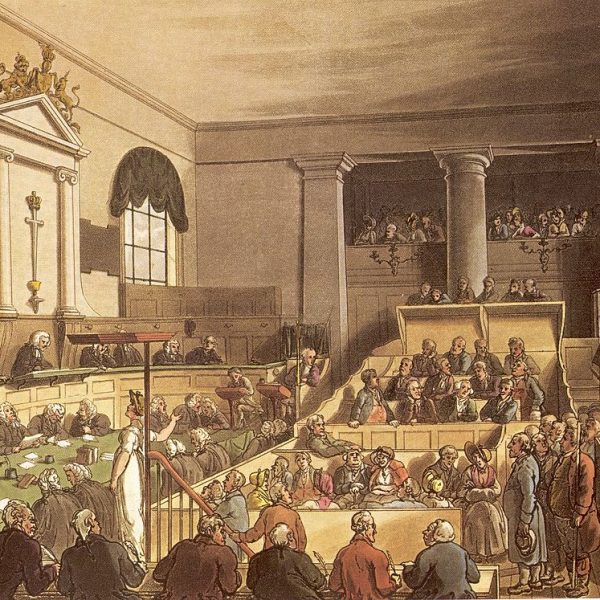
In evil days, justice can be stifled and the voice of the prudent can be silenced.

Integrity is what we demand from others, aspire to in ourselves, and often fall short of. We fall short, but will find wholeness in the Son of Man.