
This book emerged from my attempt to understand what is going on when Deleuze’s philosophy speaks about creation. Along these lines, “Deleuze and creation” names the problematic that consistently runs throughout the book, even as addressing this problematic requires working within the distinct registers of the philosophical, the theological, and the political.

Isaiah offers us a startling vision of a society beyond scarcity and gross inequalities of wealth, leading to a subversion of all our economic logic. If we are prepared to re-conceive our world as a divine gift to all, we will be prepared to work towards a day when no one is excluded from God’s bounty.

The “postmodern condition,” as Jean-François Lyotard designated it in 1979, is an “incredulity toward metanarratives.” That definition has been recited interminably by those grasping for a familiar sound-byte to encapsulate the significance of postmodernity. In the last few decades it has acquired overtones of a playful cultural experimentalism that has somehow outgrown the need for authoritative accounts of the meaning and purpose of human history.
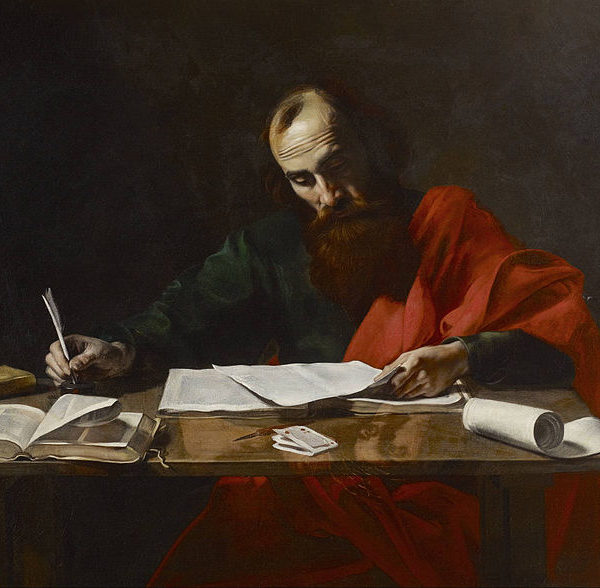
Paul speaks to our self-conscious understanding of tragic fatedness in Romans 7. Like him we long to be released from such an apparent fate, where we are not free to live as we know we could and should. This is more than an individual bondage to sin. It recognizes that sometimes we are prevented from living as we feel we ought by more than our own will; sometimes we are oppressed by the wills of others or even a system which seems to have a will of its own that is impermeable to reason.
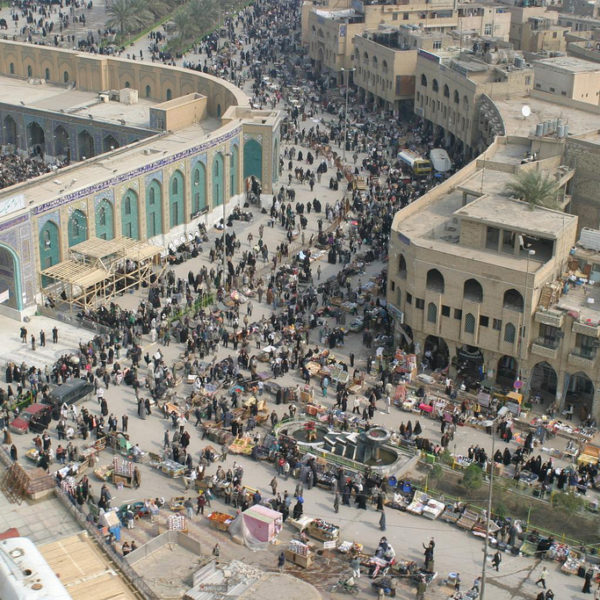
The attack of The Islamic State of Iraq and al Sham (ISIS) on Mossul and its march on Baghdad has taken the international community by surprise and raised the possibility of another US intervention in Iraq, with the hope it could prevent the downfall of the country into a sectarian war. Such a scenario is highly improbable because of the nature of the Iraq crisis that is first and foremost political and not religious.
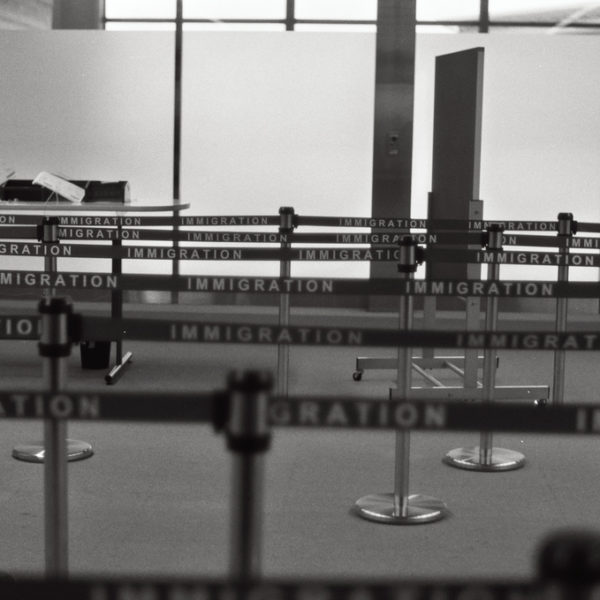
. . . Pastors and church-leaders for the past two years have been very vocal in their efforts to ‘welcome the stranger’ through immigration reform and in so doing are reframing evangelical Christian concerns beyond the rote of life-issues. . . . Though evangelical leaders have pushed for reform, this hasn’t yet filtered down to evangelical congregations who are amongst the most skeptical of CIR. The Public Religion Research Institute (PRRI) noted in 2013 that white evangelical Protestants were the least likely of all religious groups to support a path to citizenship for illegal migrants.
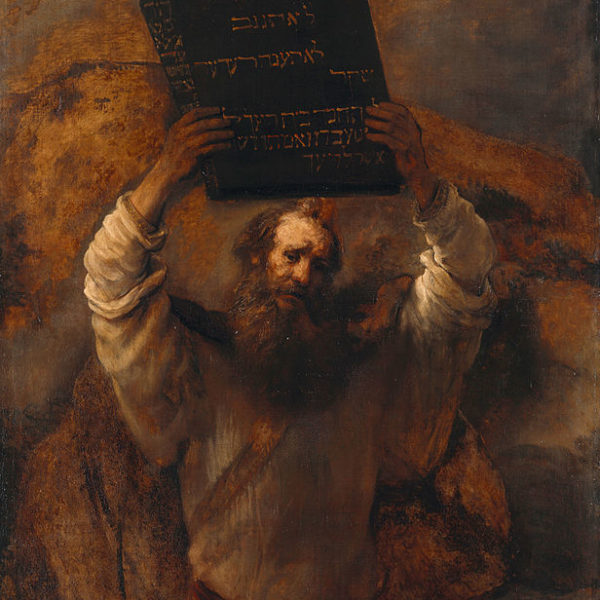
Having experienced the Ten Commandments through the lens of moralism and legalism as a child, they can appear oppressive and controlling. Re-reading them with fresh eyes in adulthood, however, we can discover previously unexpected anti-authoritarian and egalitarian contours.
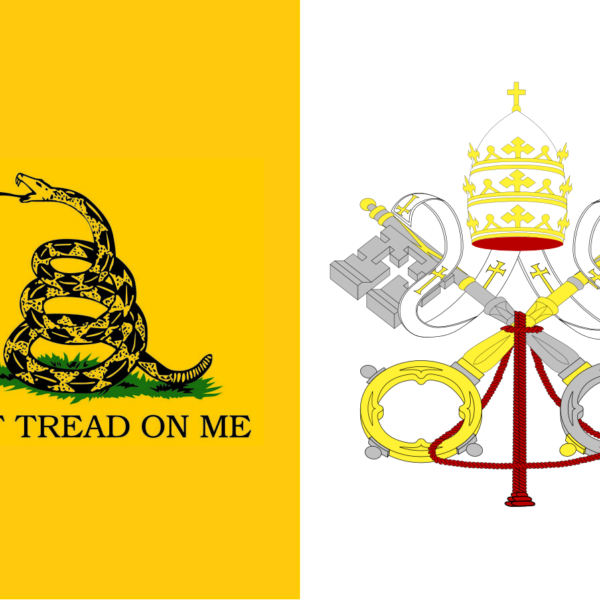
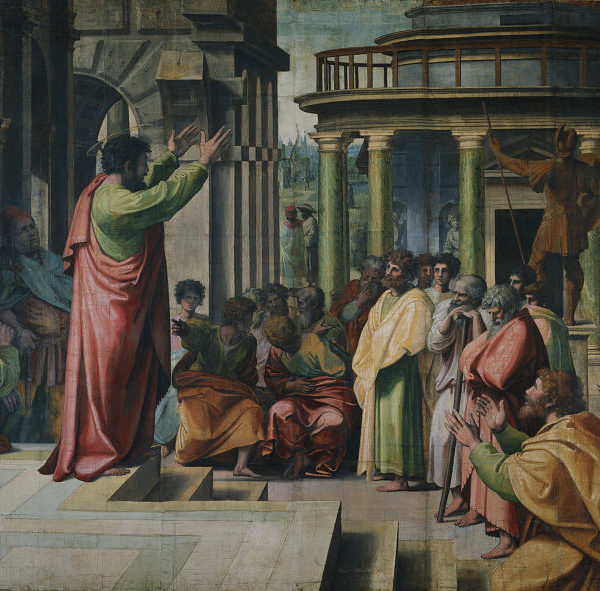
In the face of the thoroughly known god who sponsors our political ideologies and patriotic projects, we must join with the Apostle Paul in proclaiming the unknown God. Cutting across our speculation, superstition, and listless curiosity in the revelation of Jesus Christ, this God punctures our comfortable idolatries and calls us all to give account.
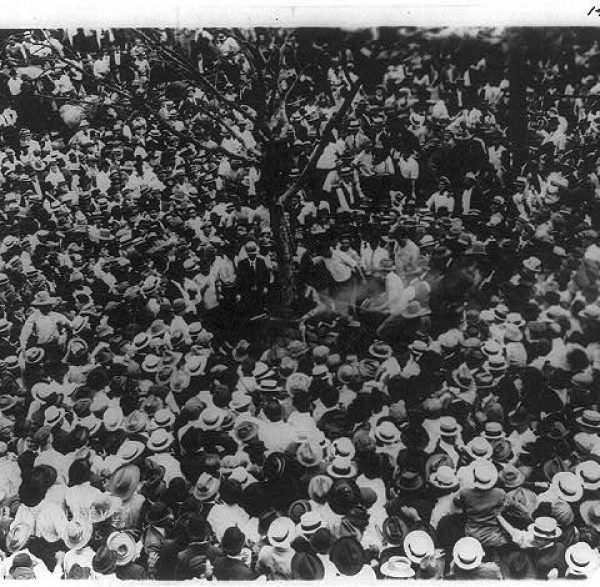
The contagious violence of a frenzied mob brings about the sentencing of Jesus to crucifixion by Pilate. The operations of the scapegoat mechanism are revealed in the record of these events and, as we reflect upon them, we will learn to identify its operations within our political life. In Christ we find an alternative model for desire, which can enable us to resist the seduction of unity through violence.
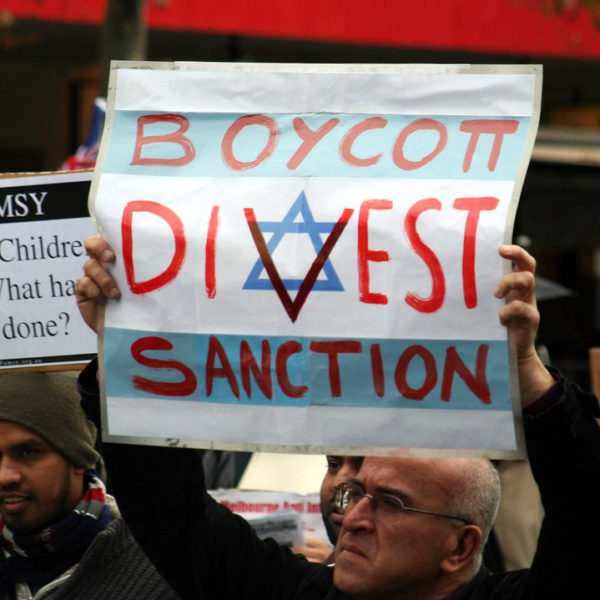
The reception of Parting Ways has been an instructive gauge of the political temperature of U.S. conversations about Zionism. Putting the phrase “critique of Zionism” in the title is bound, for better or for worse, to garner an audience. It seems that everyone has an opinion, even those who’ve never read the book.