

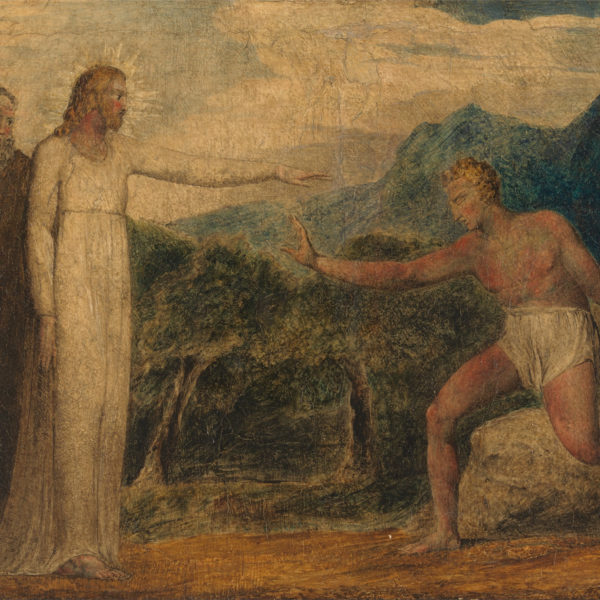
Like Jesus’ disciples, too often we are preoccupied with competing for cultural power and influence in a half-sighted manner. Bartimaeus, the healed blind man, presents a model of a more faithful form of discipleship, one that will follow the way of Jesus, wherever that path may lead.

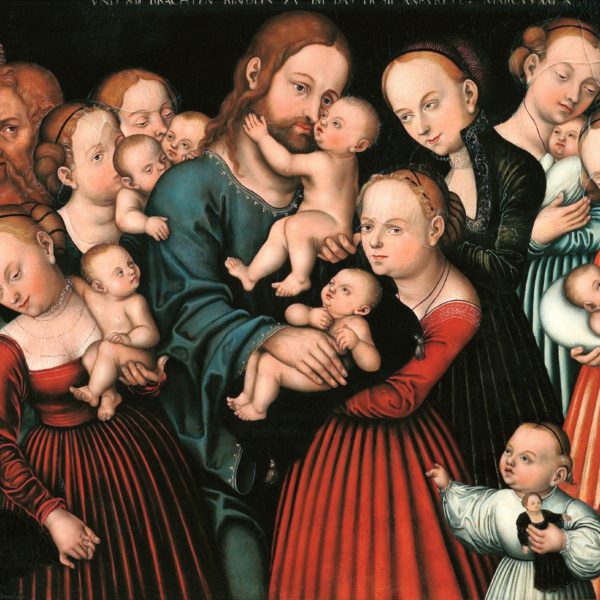
Jesus’ welcome of the little children provides us with the appropriate paradigm for understanding grace and the reception of the kingdom of God and challenges our emphasis upon rules and conditions.
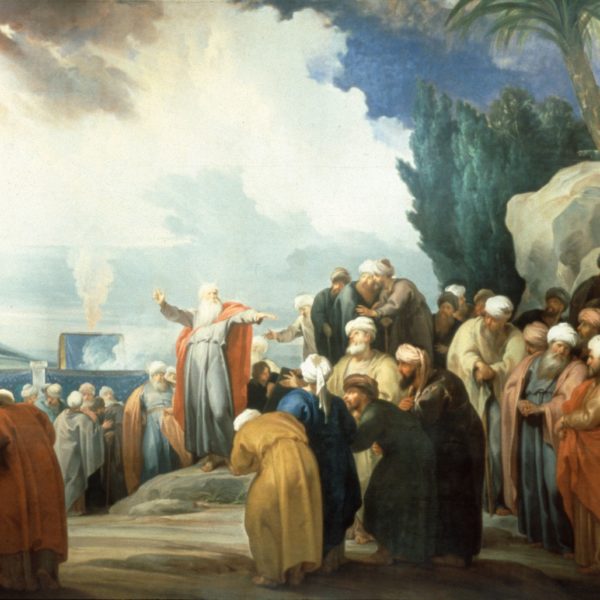
In Numbers 11 the power of leadership that had formerly been concentrated in Moses was spread more widely among the people. This vision of the diffusion of leadership throughout the body politic is one with many challenging lessons for our current situation.

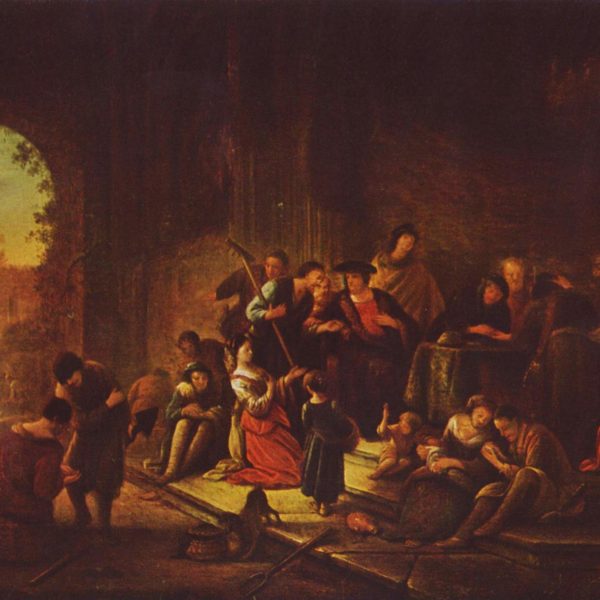
Moses taught Israel that its primary calling as a people before the nations was not conflict but witness through its showcasing of the goodness, wisdom, and righteousness of the divinely given law. Likewise, the chief political task of Christians is found in the cultivation of a quiet extraordinariness in the most ordinary affairs of life.

Although the Apostle Paul’s discussion of our struggle against rulers, authorities, cosmic powers, and spiritual forces of evil in heavenly places may strike many readers as a relic of a primitive cosmological outlook, it is fiercely relevant in our own day, where white supremacy functions as just such a power. Ta-Nehisi Coates has spoken of the illusions and lies undergirding the American Dream and, with the Apostle, calls us to awake to and struggle against the forces and ideologies that bind and enthral us.

The psalmist calls us to the fear of the Lord, offering us the secret to its pursuit. Straightforward though it may be, the psalm’s challenge to avoid evil-speaking, deceit, and to depart from wickedness and pursue peace would have seismic effects for our political landscape were we to commit ourselves to it.
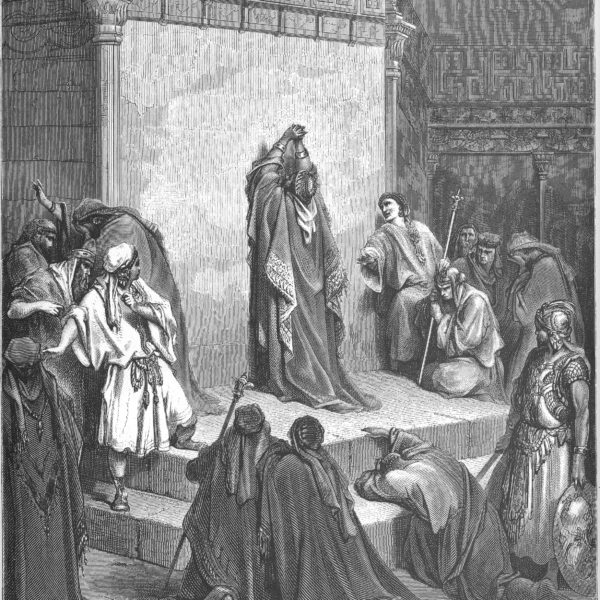
Contrasting the characters of William Faulkner’s great novel Absalom, Absalom! with King David exposes the way in which the unlovely can be redeemed, albeit not without suffering.