
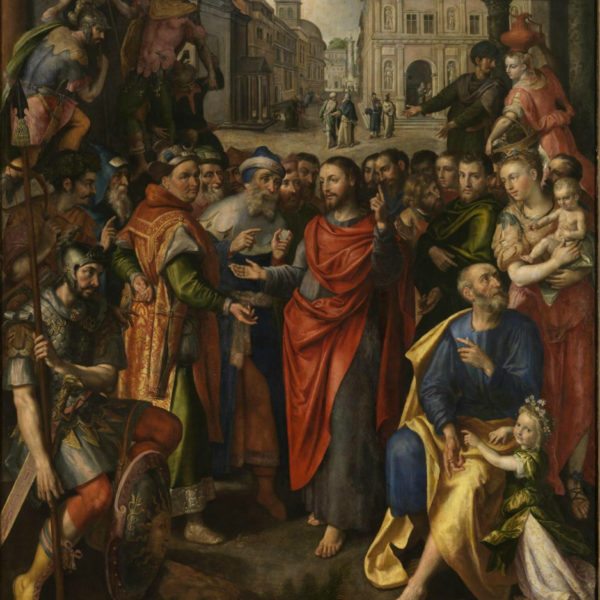
Jesus’ trick answer to the Pharisees concerning the paying of taxes to Caesar speaks to the Christian’s appropriate posture to American Civil Religion, which has been provoked into a fuller revelation of itself by Colin Kaepernick’s protest.
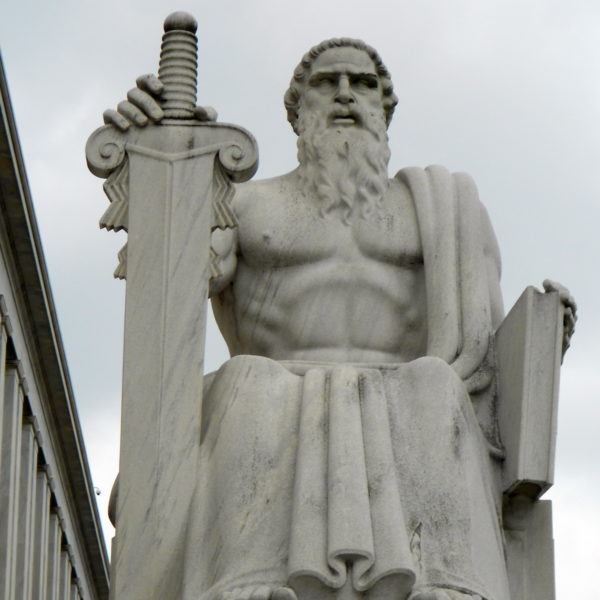
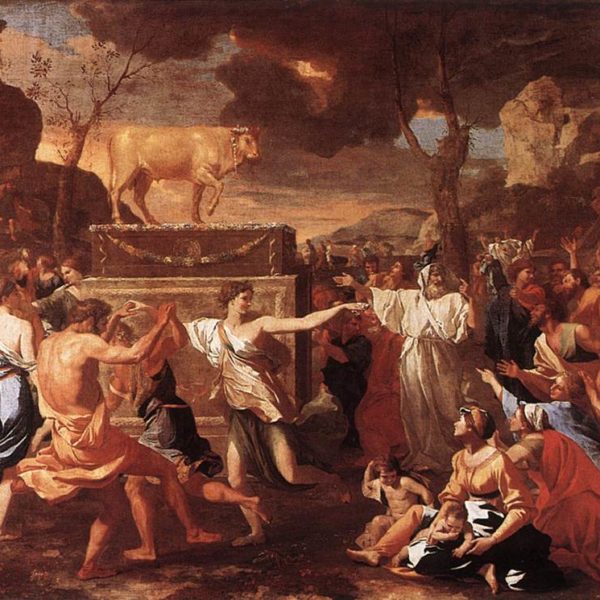
The divine prohibition upon images in the Torah rested in part upon the fact that idols take the place that belongs to human beings as those created in the image of God. What idols occupy such a position in society today?

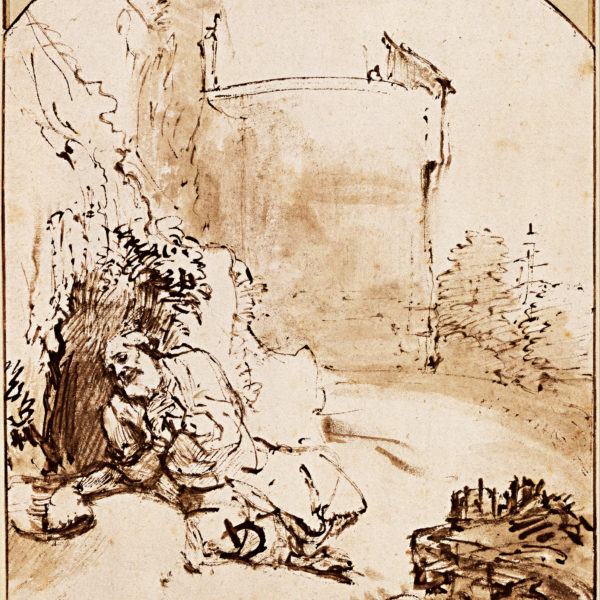
The prophet Jonah receives a lesson about the richness of God’s grace and our duty to welcome it, not only in our own lives, but also in the lives of our enemies.
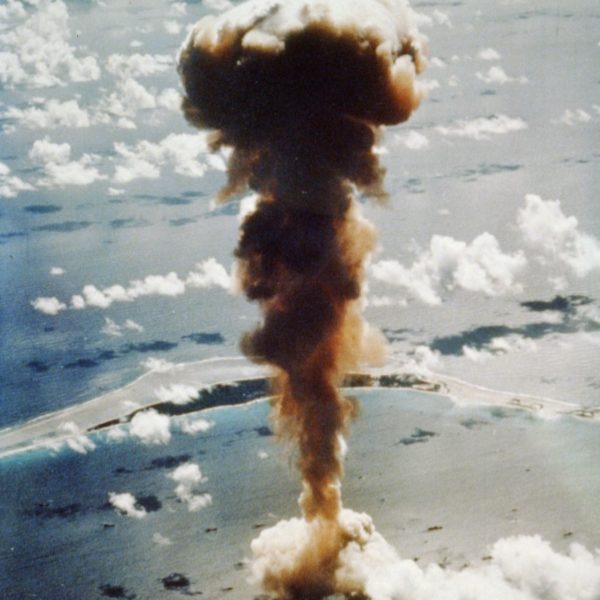
The divine violence of the drowning of the Egyptians in the deliverance of the Israelites through the Red Sea raises challenging questions about the character of liberation and the foundation of nations.

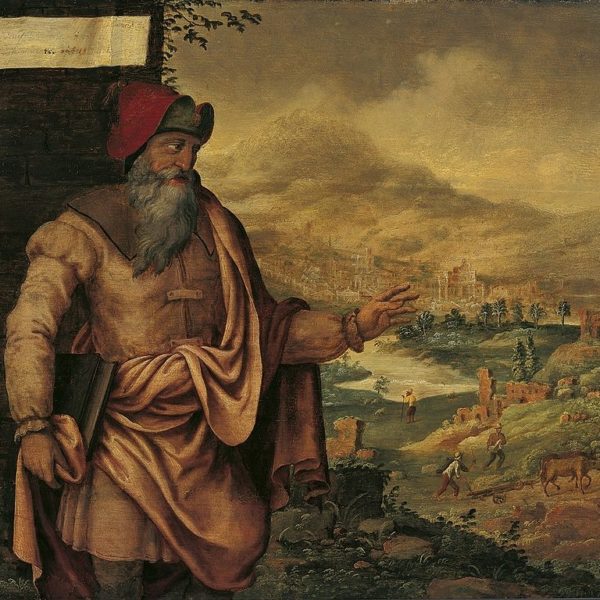
No matter how established we may think we are in this life, we are always on the way to another. To steady our step and to guide our path, we need to practice hope.
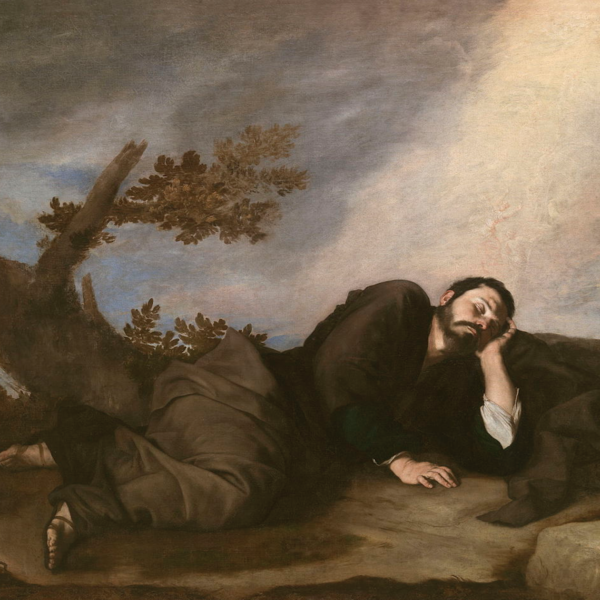
All of humanity comes from the Source and all our journeys will lead us back to the Source. The story of Jacob’s Ladder reminds that God is not far away but right here in the ordinariness of our everyday struggles, the answer to our desire for oneness.