
For the past twenty years the Christian right have been labeled the ‘backbone’ and ‘base’ behind the Republican Party’s electoral successes, a view that deepened with Bush’s consecutive victories in 2000 and 2004. Until recently the alignment between evangelical Christians on the Christian right and the Republican party had gone unquestioned.

As we reflect on what it means to resist vulnerability and consolidate military power, much could be said in connection to our own political moment. Given the proliferation of weapons of war and the investment in such weaponry by nation-states and stakeholders who see buying shares in war-related machinery and technology as a profitable enterprise, the privileging of a good heart—“the LORD looks on the heart”—is a most urgent political posture.

“We gestate each other, even daughters and mothers, around the spool of time not the lineal thread.”
The journal Political Theology announces new members of its editorial team.

The modern state form itself is inextricable from the commandement, not just as an emblem for sovereignty in Schmitt’s sense, but also because the exemplary political form of modernity, the nation-state, has racist and exclusionary tendencies that can be understood as political-theological transfers of monotheistic principles.

This symposium celebrates George Shulman’s work on political theology by continuing the conversation that formally concluded when Shulman’s “Political Theology” seminar met for the last time in the spring of 2021.

For Muslims to become worthy of any empathy and solidarity, whether in the west or in staunchly anti-Muslim India, what must first be shed is our very religiosity. Islam is to be tolerated only when reduced to culture in which the dominant-caste or white friend can joyously celebrate Muslim festivities, visit Muslim friends and restaurants for biryani in Toronto or Delhi, or post Sufi songs on their social media. Those are the parameters set around reception of a Muslim sans Islam.
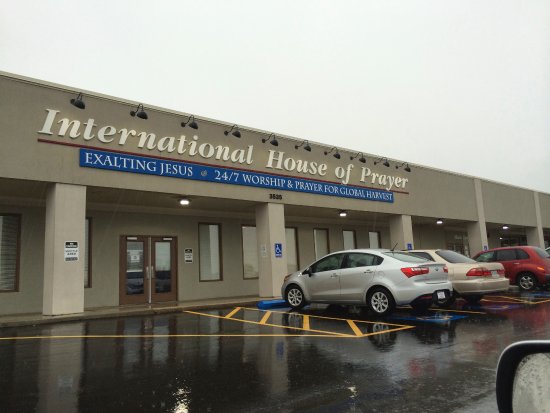
Intense feeling is characteristic of Donald Trump’s political presence. The Trump rally, replete with chanting, screaming, and a long, rambling speech is an affect-laden performance. For people trained in charismatic-evangelical communities, Trump’s intense performance feels true.
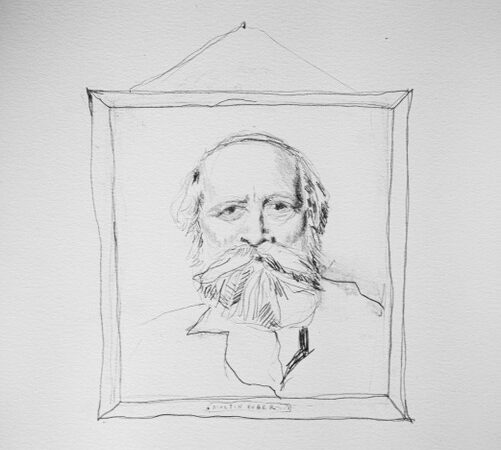
Meeting Martin Buber, in other words, means meeting the voice behind the words, a man who did not always know how to “recover from institutions.”
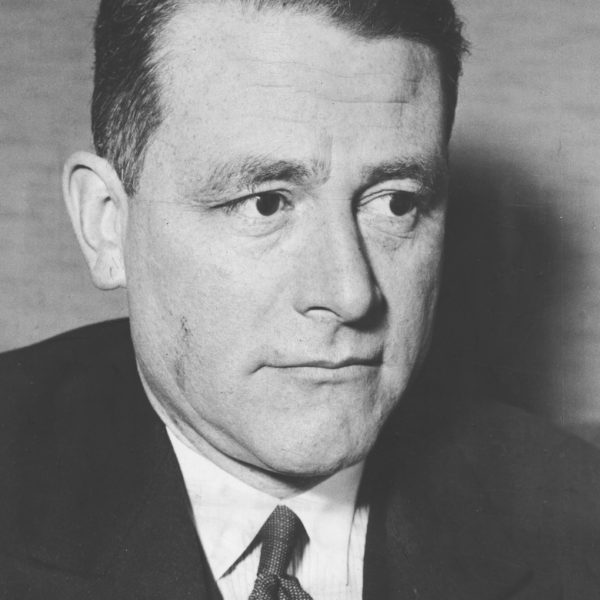
Political Theology Must Follow Agamben’s “Double Paradigm” of Sovereignty. The following is the guest editorial for the current issue of the print journal Political Theology (Volume 19, Issue 1, February 2018).