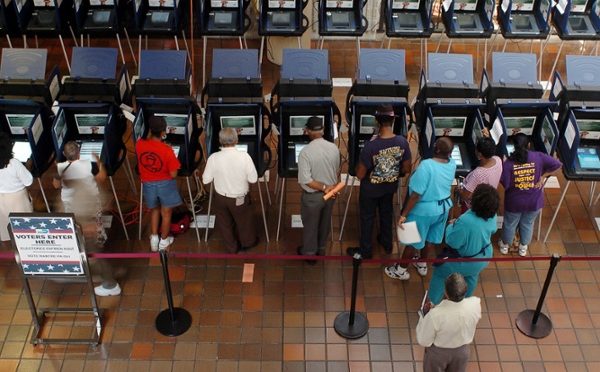
One can read the results of the 2014 mid-term elections in the United States in terms of whatever dominant political inkblot they favor. The narrative of the American right-wing, of course, is that the resounding Republican victories at both the Congressional and gubernatorial levels constituted a resounding repudiation by the voters of the Obama administration’s policies and pari passu the much vaunted progressivist politics that seemed to have finally taken solid root in American political soil with the 2008 election.
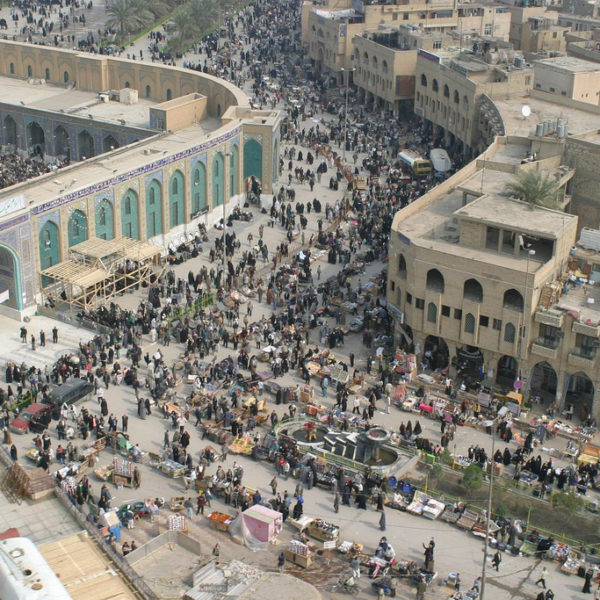
. . . What makes the ideology of ISIS appealing to its members and young recruits, especially those who travel from Europe and desperately want to join the fight, is actually the global message that this group tries to address to its Muslim audience. It has declared its determination to go beyond the parochial nationalist discourse and to establish a sovereign Islamic caliphate that aspires to global jihad.

The story of Jesus’ healing of the blind man in John 9 presents us with the politics of exclusion in operation. However, in a twist, it is the politics of exclusion that are revealed to be excluded.
This book is a timely intervention within current debates about the role of religion, politics, philosophy and the public square. I was reading it as the Western World was once again reflecting (and in a not very coherent or analytical way) on the tenth anniversary of 9/11. As Kahn persuasively reminds us, international terrorism inextricably linked to religious imaginaries has forced liberal democracies and liberal intellectual disciplines to wake up to the real nature of politics: the themes of sovereign decision; the power of the exception rather than the bureaucratic norm; the lure of sacrifice and martyrdom; the will to act and choose authenticity rather than the use of reason or appeal to the norm. These are the seductive and destructive options that the international and religiously inspired terrorist offers us.

Isaiah 5:1–7 opens as a love song and closes as a verdict, judging a vineyard not by its structural industry but by its ethical fruit. Reading Isaiah’s brilliant wordplay through a womanist hermeneutic and the Civil Rights freedom song tradition, this essay names the counterfeit fruit of a contemporary Christian nationalism that calls violence just, elevates a flawed man to the status of savior, and labels empathy a sin—and asks who is still listening for the desperate cry (tse’aqah) beneath the nationalistic noise.

Insiders and those most similar are invited into the movement first, and then, if meaningful and urgent enough to others expands to those beyond the insiders. The expansion of God’s Realm in Matthew is built slow and steady, an example we have much to learn from.

If someone is in an abusive relationship, are they to forgive their abuser? If someone is actively and repeatedly harming us, are we to forgive them? If this theological-ethical conundrum gives you pause, you are not alone.

Daniel Bensaïd reinterprets Marxism as a Jewish messianism of “patient impatience,” in which political defeat, exile, and even anti-Semitism become the paradoxical sites from which a non-statist, heretical, and universalist revolutionary agency can re-emerge.
Decolonising Christian proclamation, therefore, is measured not by the charisma of the preacher or the spectacle of performance, but by its fidelity to the incarnational logic of God’s self-giving and its capacity to engender liberative transformation in lived contexts.
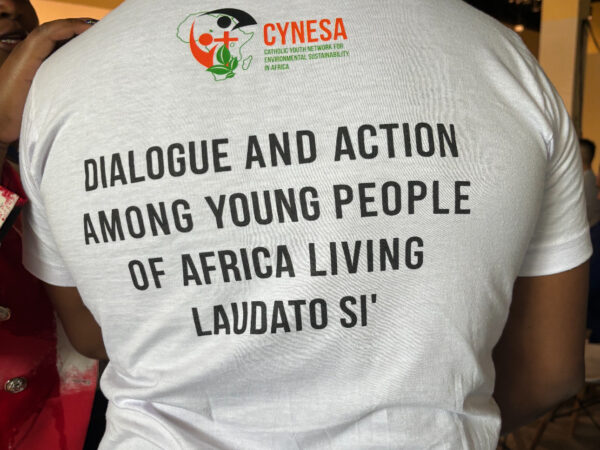
Youth were not very welcome at the table. It was quite common for them to be referred to and accept that they are leaders of tomorrow or the next generation… How can we be the next generation when we’re already here [right now]?

“Acting on behalf of the child, the prison establishes itself as both a necessary evil and a transcendent force for good.”