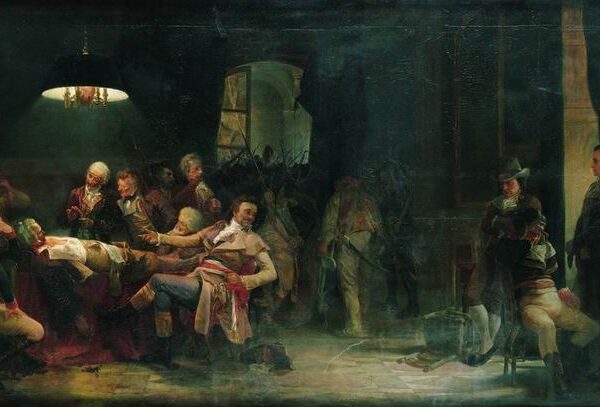
Authoritarianism in Christianity is a feature, not a bug, and it is unlikely to change any time soon. Perhaps on its own it is a problem mainly to those inside the faith. But when Christian authoritarianism hooks up with fierce cultural reaction, it can become a profound problem for society.
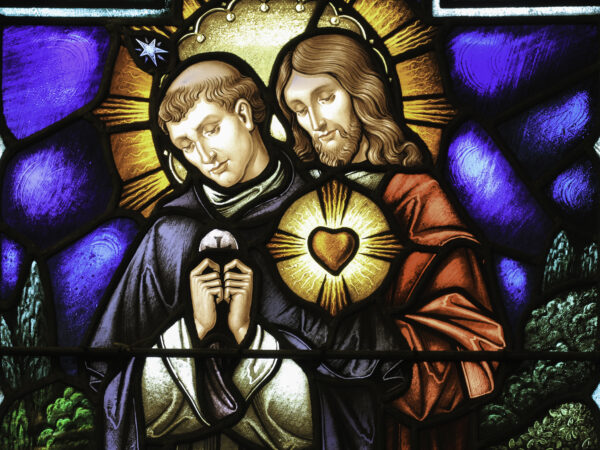
Contemplating a radical response to contemporary politics of (sexual) desire
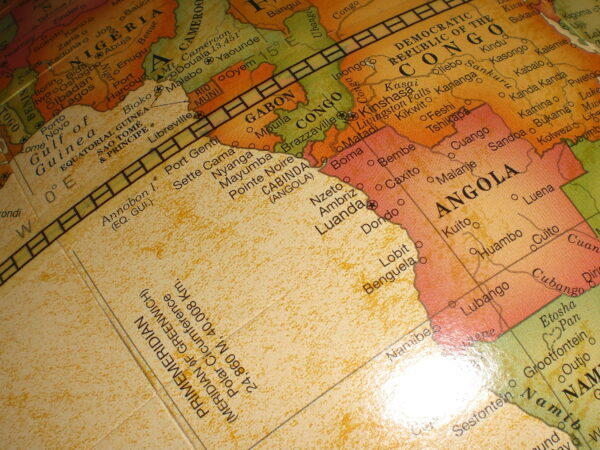
Contemporary African political theologies are a study in contrasts. A prophetic strand challenging unjust politics is alive and well, but so are political theologies that align with unscrupulous politicians and seek wealth at the expense of ordinary people. This dizzying situation raises questions of both substance and method about what African political theology is and how to do it.

To read Catherine Malabou is to embark upon an adventure of thought. Her writing demands change from her readers if they are to follow her on that adventure. It is a process of change that is sometimes joyful, sometimes painful.

It is as productive to think with as it is to think against Claude Lefort, a revolutionary-turned-philosopher who analyzed power and the political regimes to which it gives rise.

Rafael Vizcaíno offers a biographical introduction to the philosophical work of Enrique Dussel, a major figure of the decolonial turn. Separate from his theology, Dussel’s philosophy of liberation offers crucial reflections for contemporary political theology.
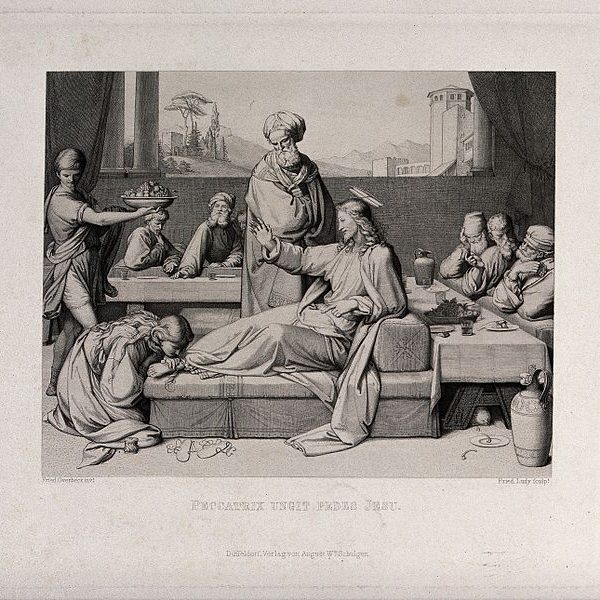
In Jesus’ acceptance of Mary’s act of devotion, in his ministry to and for the poor, in his unwillingness to betray Judas (even as Judas was soon to betray him), Jesus models for us an approach to poverty, to politics, indeed, to one another that is based not in fear but in hope.


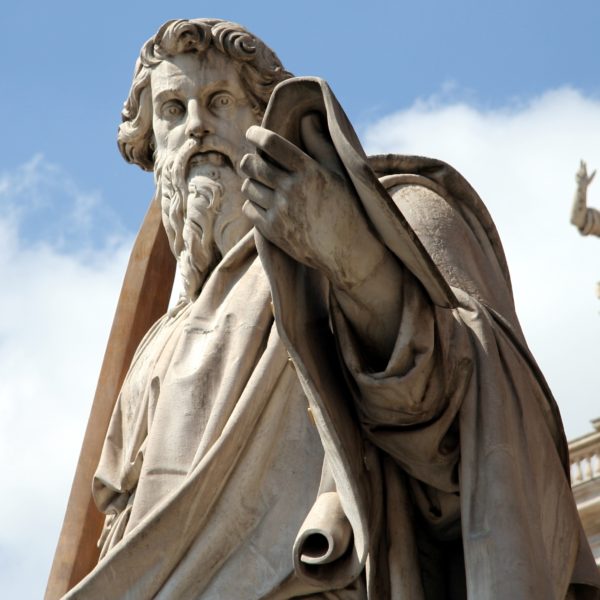
As it is often detached from its broader context and treated as a standalone paean to love, the significance of 1 Corinthians 13 within Paul’s overarching argument about the Church as a polity is often neglected. When the context of this chapter is appreciated once more, its political significance will emerge.
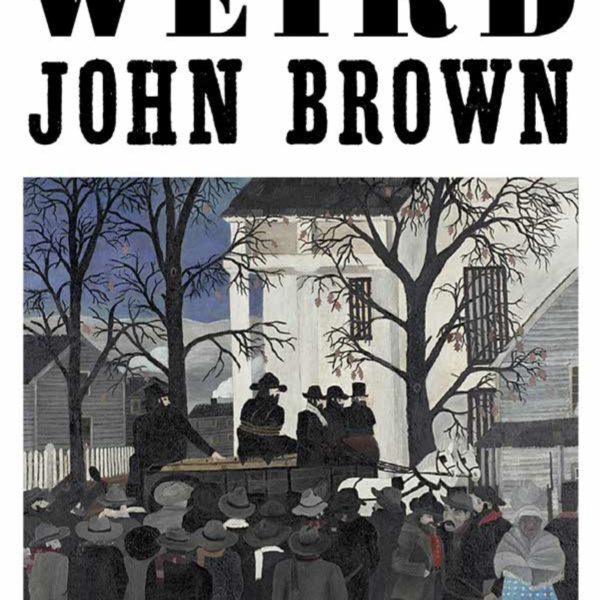
. . . In the book I think about what it would mean to see Brown as a “Great Criminal” who did wrong but can still be read as a sign of a divine violence that breaks the hold of the slave system on social imaginations and so makes possible not just new ways of seeing the world, but new ways of acting, new ways of connecting with others, and new ways of deliberating together.
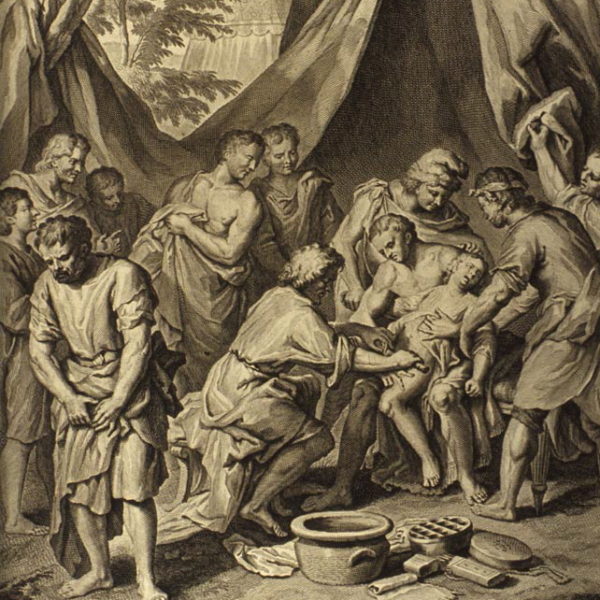
The promise that Abraham will become a great nation is connected with the circumcision of his foreskin, forging a connection between sex and politics. This connection has controversial and unsettling resonances in a liberal society that would often separate the two.