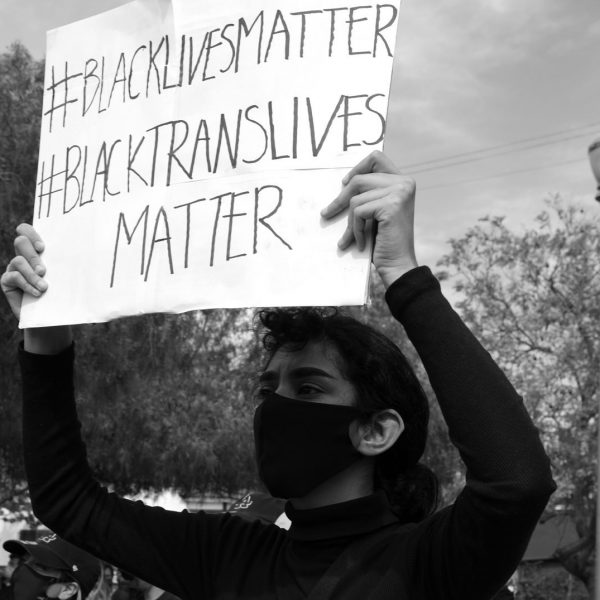
Mothers like Hagar who bear the weight of racism in the wilderness (Genesis 21:14) are always on the verge of losing their children—inferiorized by racist prejudice. These mothers’ voices are crying out, “Do not let me look on the death of the child” (Genesis 21:16).

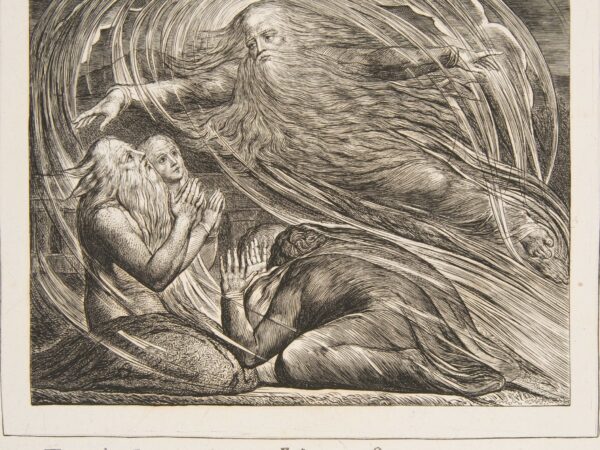
For me, “political theology” thus names the study of the ways that imagination is embedded in sentient, desiring bodies, instantiated in vernacular forms of life and ordinary (ritualized) practices, and conjured in mytho-poetic metaphors, images or representations that are formalized by literary genres and assembled into scriptures.
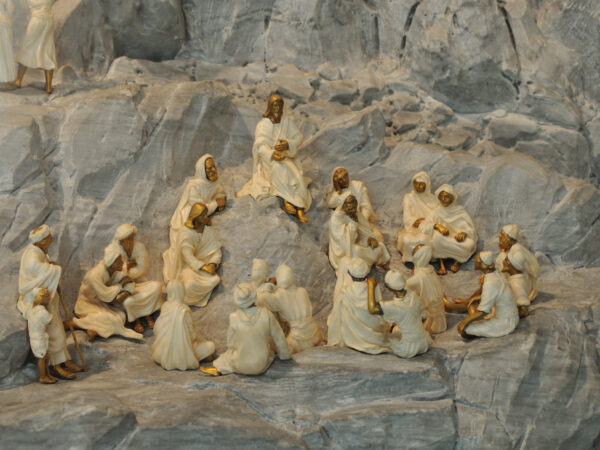
Walter Wink’s reading of the Sermon on the Mount is the kind of exegesis that would get failed in a historical-critical Bible class. It has succeeded because it is good ethics so no one wants to point out too loudly that it’s bad exegesis.

It is important to notice the ways in which economic language seeps into theology and to be attentive to the ways in which interpretations of scripture can either reinscribe exploitative harm or help imagine alternative possibilities for human flourishing.
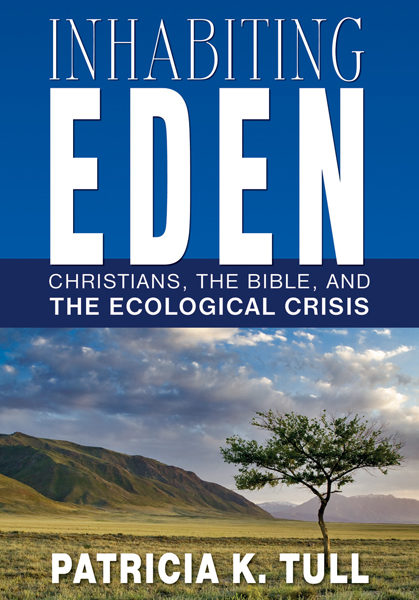
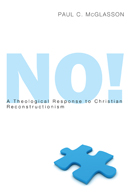
Everywhere, it seems, one hears “Wasn’t our country founded as a Christian nation? Shouldn’t we vote only for Christian candidates willing to stand up for our beliefs?” The talk has grown in volume in recent years as earnest Christians endeavor to discern God’s will for church and society. Behind this talk is a movement known as Christian Reconstructionism, whose set of ideas is based on bringing Christian law into the public and political sphere….
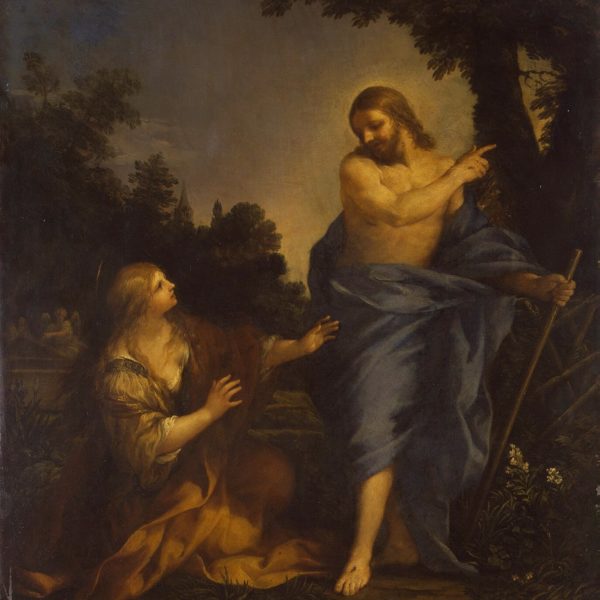
The politics of proclamation emerge from and carry forward God’s liberative force. Mary Magdalene’s witness to the risen Christ manifests and proclaims the disruption and the liberation of God’s new reality.
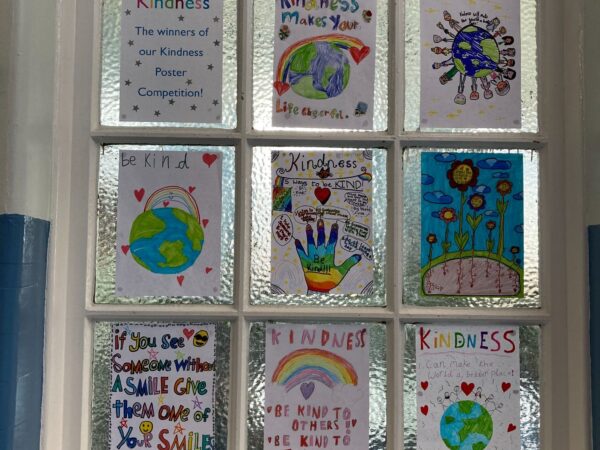
How would the politics of atheism be enriched and deepened by attending the perspectives of children? And how might making space for children shift our conceptualizations of ‘the political’?
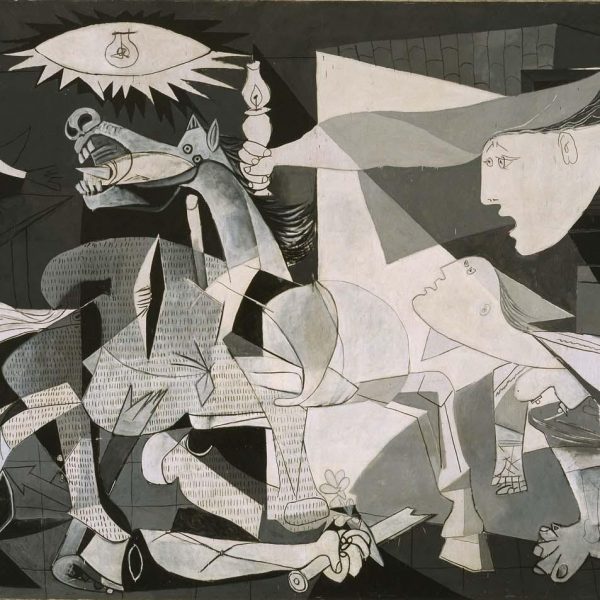
Could prophetic politics, with its unique emphases, allow us to envision another, possibly less dogmatic and more differentiated form of political theology? Could focusing on the schism between prophetic voice and political institutions reveal a different understanding of political theological concepts, beyond the realm of power and sovereignty?