
Jesus’s followers seek a “prophet” who serves human desires for control and vengeance: the power his followers think is essential in order to defeat their human oppressors. They forget that the prophet only ever serves the Divine will, which has a vision wider than the cosmos, concerned with re-establishing the harmony that was written into the fabric of creation from its very beginning.
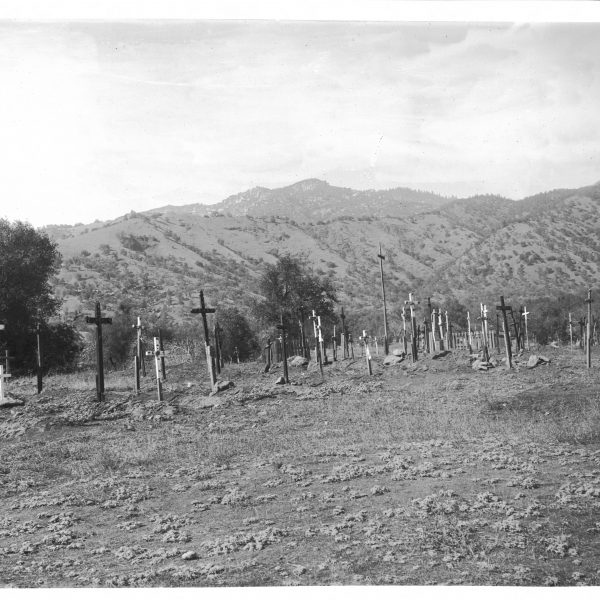
The witness of the land cannot be escaped. Whether in its memorials of divine faithfulness, or its testimony to our sins, it will not be silent.


This is what is at the heart of the story. John comes preaching a message of the kingdom in the strongest possible terms—You brood of vipers! As part of his message, to which people seem to be responding, is that they need to “bear fruit worthy of repentance.” That is, don’t just sit there saying you did wrong. Get up and show that you understand by doing something different. And of all the people who might have grasped this message, low and behold, its those nasty tax collectors, the worst people imaginable, who come and ask what they should do to show they really mean what they say about having been transformed. Which is to say, that the narrative presents the very embodiment of a social outsider, confronting the epitome of the empire in the form of the tax collector, who is fundamentally transformed by the encounter.

A colonial understanding of resurrection has only associated it with life after death, whereas a decolonial Dalit theology engages with new life experiences by breaking the grounds of death here and now, in life before death.

Indian citizens stepping up to save as many lives as they could embody what the Kingdom of God is about: collective self-care, mutual aid, without a king, while also holding earthly kings accountable for not attending to the needs of their public whether or not there is a crisis.

Christ sits on a throne, but it is not a worldly one. Christ’s throne is the true throne of God, which renders all other thrones secondary. Christ’s throne is the only throne that should be worshipped, and Christ the Lamb the only ruler that is worthy of our devotion.
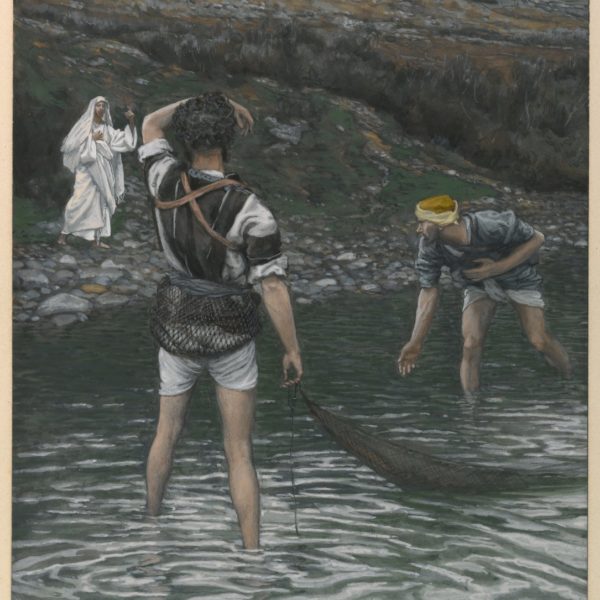
The call of Jesus to his disciples required a surrender of all they had previously understood their identities to be.

Lent can become a season of personal and societal transformation as people of faith respond to the counter-cultural call from Jesus’ baptism. It challenges us to examine our own attitudes and behaviours, encouraging a shift towards a more compassionate and just way of living.

The rabbinic formation of the goy involved a whole project of Othering, whose medium and toolkit was provided by halakhic discourse, while its ideology was supplemented by the aggadic midrash, where goy is presented as a conduit for the presence of God in the human world and a sure trace for His steps in history.

The fact that people use Genesis 1 as justification for all of this hate is not only horrifying and appalling, but it’s also, simply put, WRONG. The creation thrums with life purely because God’s love makes it so.