
In friendship, Jürgen says, we experience a “broad space” in which we can expand. The power and beauty of the letters between Kelly and Jürgen lies, in part, in the fact that they occupied a wide space that encompassed radically different social locations.
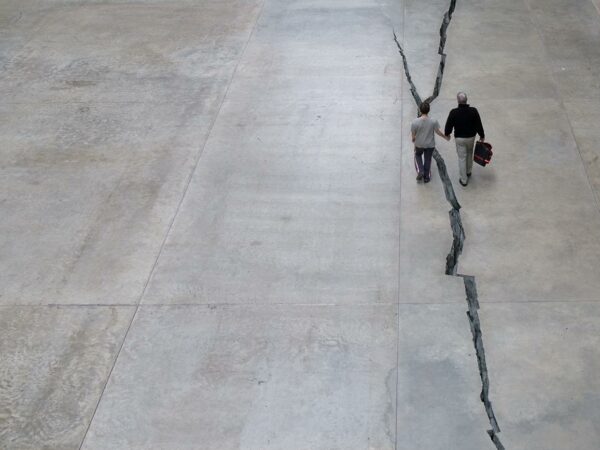
In taking up shibboleth at the near end of its itinerary from “stream” to “cliché,” Smith shortchanges the capacity of this particular narrative—one of the Bible’s most memorable and disturbing myths of sovereign power—to address what is happening, now, “in the case of Israel/Palestine.”

Access to the sacrament of the Eucharist has been weaponized against all those the church deems unworthy, immoral, or in sin. The sacrament that was meant to be a way of knowing and encountering the risen Christ through breaking and sharing of bread has been made into its opposite.

Fifty years after the publication of Gustavo Gutiérrez’s A Theology of Liberation, what, if any, relevance does Christian liberation theology and Gutiérrez’s work have for our present moment? Do we still have a memory of a liberating God? And if not, is there a liberative power in grappling with the absence of this memory?

The son of Man, the son of God gives us a sign that, once more, he is not only at odds with but opposed to the structures that administer (a certain kind of) life and death.

Dismantling institutionalized religion by empowering the masses.

In a world of increasing anti-Jewish sentiments, we do well to note at whom Jesus points a finger. It’s not at Judaism, it’s at Rome.

A political theology of the transfiguration of Jesus has to expose and transgress the elevation of whiteness as divine, as a norm and as something superior to multi-coloured local expressions of faith. It also calls us to celebrate the mystery of transfiguration as trans-figuration of the body ethic of Jesus and of all humanity.
“I was only imagining it. Being freed.”
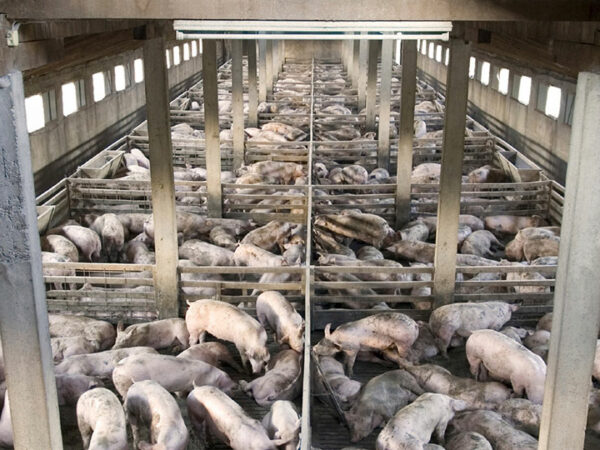
What does the food on Christian tables say about our commitments to justice? How well do our dietary choices reflect the concerns we express for other animals, for the environment, and for one another?

There’s an understandable temptation to think that climate disaster is nature’s way of rebelling against the Anthropocene. But this is a dangerous way of thinking we should ward against.

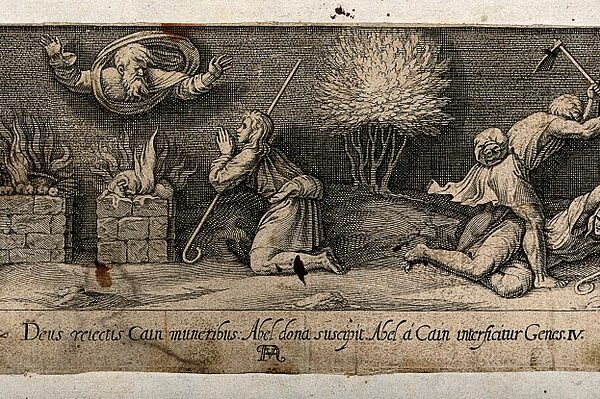
Following this path, I intended to do a non-punitive reading on Cain’s wandering by presenting it as God’s opportunity to cultivate the land while moving around the territory. This view of the nomad seeks to rehabilitate another type of relationality with the Earth by recovering its dignity in different horizons.