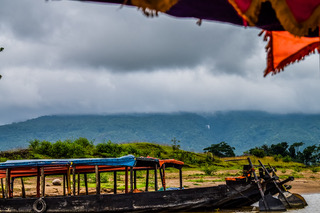
There’s an understandable temptation to think that climate disaster is nature’s way of rebelling against the Anthropocene. But this is a dangerous way of thinking we should ward against.

Following this path, I intended to do a non-punitive reading on Cain’s wandering by presenting it as God’s opportunity to cultivate the land while moving around the territory. This view of the nomad seeks to rehabilitate another type of relationality with the Earth by recovering its dignity in different horizons.
“Both authors travel to the margins and then send back a warning signal to fellow scholars about the limits and potential intrusiveness of our established methods.”

Whatever our exegesis of scripture and tradition may suggest, it is imperative that we take into account the pain and damage our religious piety causes to others. Is our perception of divine instruction sufficient justification for actual injury (physical, psychological, and/or spiritual) to our neighbors?
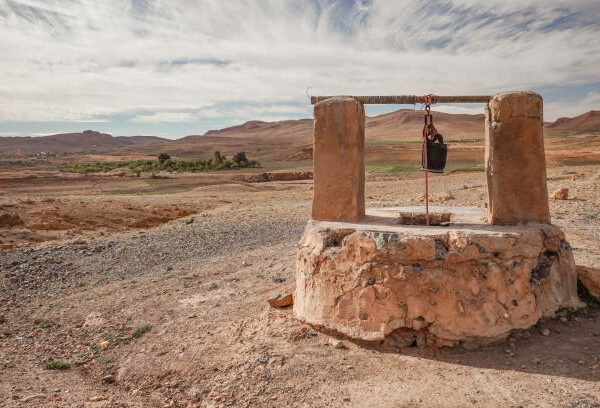
In the voices of the oppressed, one can listen to the voice of the divine. In this decolonial reading, one can excavate a liberative hermeneutic, which is life affirming and life nurturing. The lament of Hagar and her son Ishmael are echoed today in the voices of several people who are excluded in the society by the dominant, and the call for us today is to listen to the divine and work for a just world.

As tempting as it might be to assign murderous impulses to so-called former colonial times, Christians would do well to pay attention to how such logic continues to operate today in theological and political thinking.

Since the risen Christ embodies the gift of hope for those who follow the post-resurrection Christ, our reading of the Johannine narrative on the encounter between the risen Christ and the followers ought to open our hearts to encountering difference as an opportunity to replicate the gift that the followers received – openness to difference as the means by which God chooses to make God present in our world.

Early medieval people could and did differentiate ‘religion’ from ‘not religion’ when it suited them to do so. These secularizing strategies are no less historically significant for being situational and often fleeting.
Read the Table of Contents of Political Theology’s most recent issue!
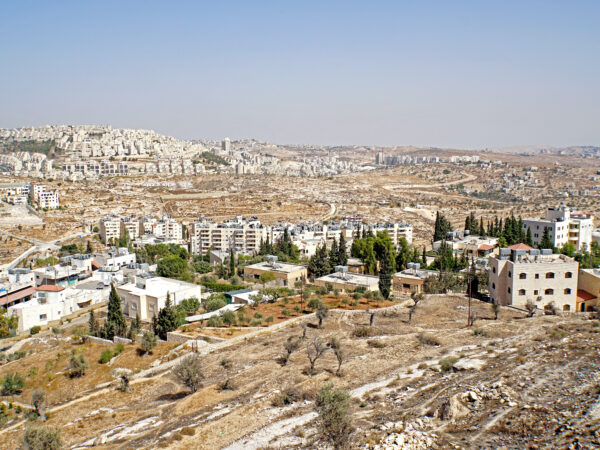
This essay traces the story of Marie-Thérèse Lacaze, a French woman whose experience of Catholic communal life in solidarity with the poor and disenfranchised in Palestine eventually led her to denounce both the state of Israel and the Catholic Church as unjust institutions failing to live up to the ideals on which they were founded.

Everyday life gives us ample opportunity to fulfill all righteousness, at least as far as the gods of global capital are concerned. Building credit, contributing to a 401K plan, purchasing ordinary goods produced through an extraordinary supply chain, we participate in the enchanted world of mammon, in which money defies space and time to make and remake a world that bears its image. But in Matthew’s gospel, Jesus inhabits a different kind of story about God and the world, about empire and capital.

The following post contains information that may be of interest for those attending AAR/SBL in Denver this year.