
The following post contains information that may be of interest for those attending AAR/SBL in Denver this year.
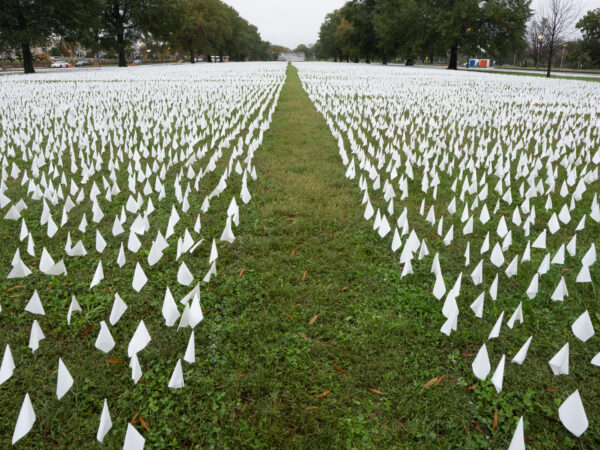
If theorizations of care are to more directly address the current “crisis of care,” we need not only to prioritize the kinds of embodied, particularized care that care ethics has highlighted in the past, but to explore a wider range of caring relationships and their diverse structures.

A truly progressive society is one that is able to feel the wounds and pain of the most marginalized and excluded. Such a society’s task, consequently, is to heal and anoint the wounded. Perhaps, that task is better undertaken by embracing the work of mourning.

People need structures to believe in, to focus their hopes and fears on – and when those structures disappear, the rupture can be disturbing, as those energies quickly get re-configured around something else.
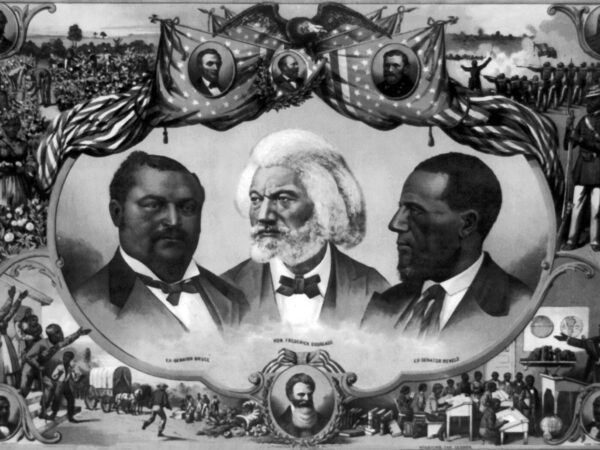
Isaiah’s condemnation of vain worship is not a promotion of faith over works. Rather, it’s a vision of faith as constituted by the work of justice.
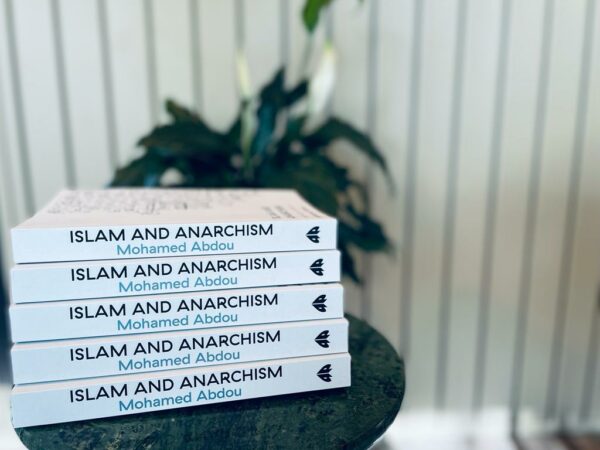
Discourses around Muslims and Islām often lapse into a false dichotomy of Orientalist/Fundamentalist tropes. A popular reimagining of Islām is desperately needed and anarchist political philosophical traditions offer the most towards this pursuit. By constructing a decolonial and abolitionist, non-authoritarian and non-capitalist Islāmic anarchism, Islam and Anarchism philosophically and theologically challenges authoritarian and capitalist inequalities in the entwined imperial context of so-called post-colonial societies like Egypt, and settler-colonial societies (the U.S./Canada) that never underwent decolonization and are symbolically, historically, and materially interrelated.
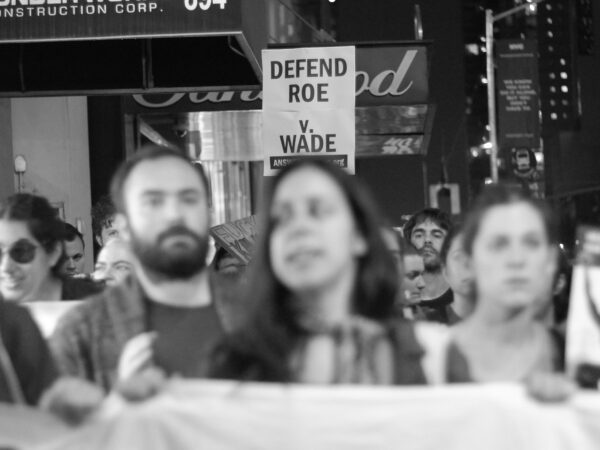
Lydia does not need a man or any other figure of authority to speak for her or to dictate her life. She is her own agent and even Luke-Acts’ Paul has to respect that. She cares for her own, commits to seeking justice, and makes her own choices.

This symposium celebrates George Shulman’s work on political theology by continuing the conversation that formally concluded when Shulman’s “Political Theology” seminar met for the last time in the spring of 2021.

Sometimes referred to as “population control,” other times “better breeding,” eugenics has been seen as a religious solution to social ills, and sometimes a new religion unto itself.
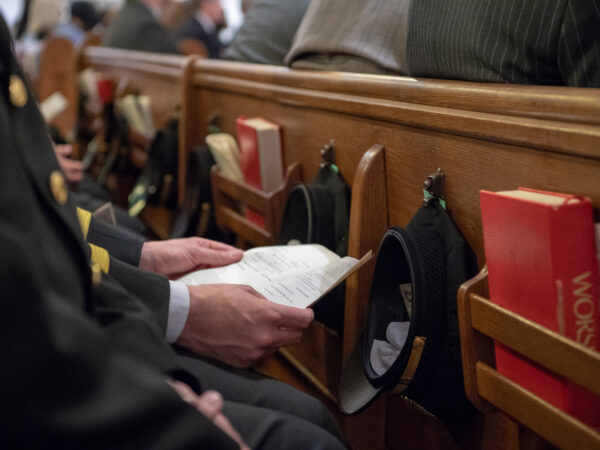
This essay invites readers to consider what white Catholics reveal about the history and meaning of the term “law and order,” and what that turn of phrase reveals about twentieth century Catholicism in the United States.
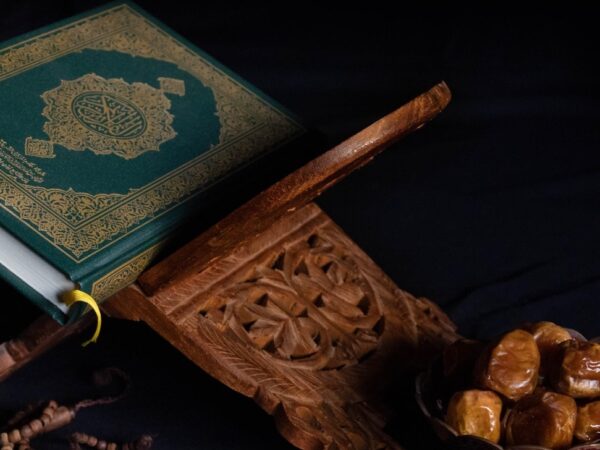
For Muslims to become worthy of any empathy and solidarity, whether in the west or in staunchly anti-Muslim India, what must first be shed is our very religiosity. Islam is to be tolerated only when reduced to culture in which the dominant-caste or white friend can joyously celebrate Muslim festivities, visit Muslim friends and restaurants for biryani in Toronto or Delhi, or post Sufi songs on their social media. Those are the parameters set around reception of a Muslim sans Islam.

Abolition is a process of imagining alternatives to the settler colonial, carceral present; it requires modes of kinship and care to replace prisons and policing.