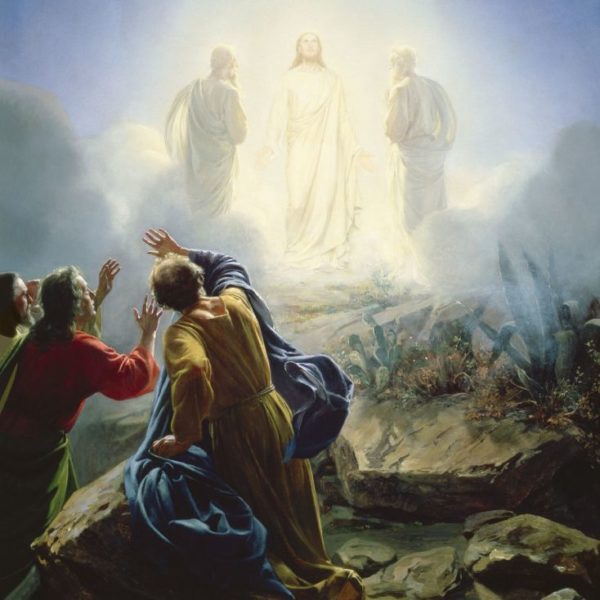
There is such a thing as a ‘near-life experience,’ a transforming encounter with the light of life. The Transfiguration describes a remarkable encounter of such a kind, an encounter that may find pale reflections in our own lives, much needed at the current time.
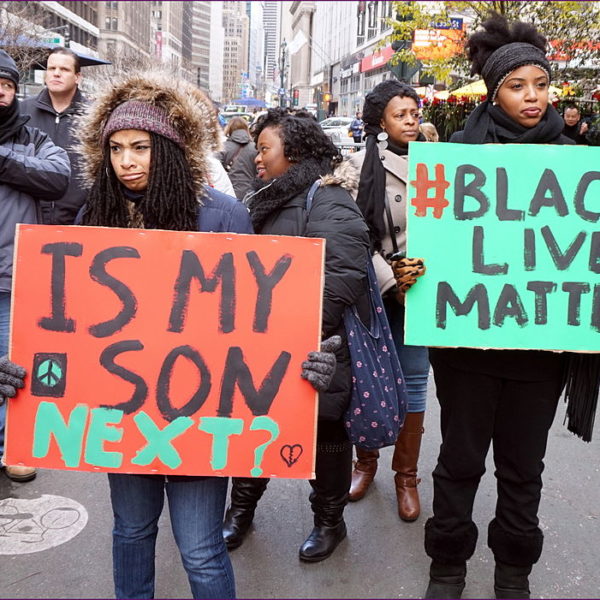


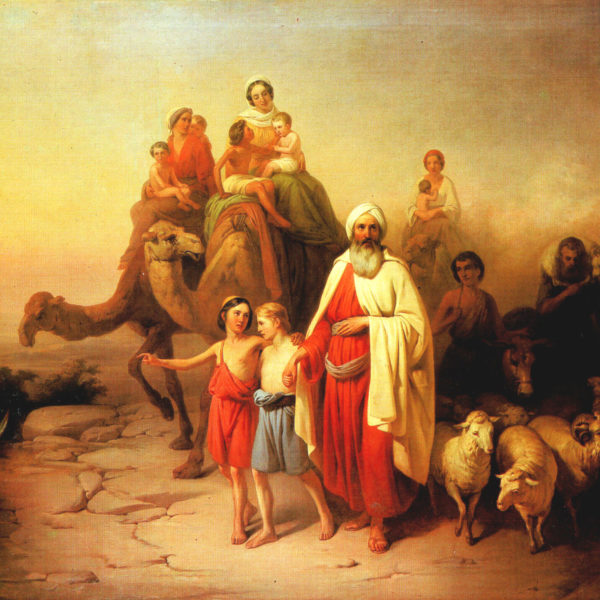
The quest for a homeland and the experience of being a stranger and an alien—a refugee—in the world is central to the calling of the faithful in Hebrews 11. This reality should remain integral to our self-understanding as the people of God today.
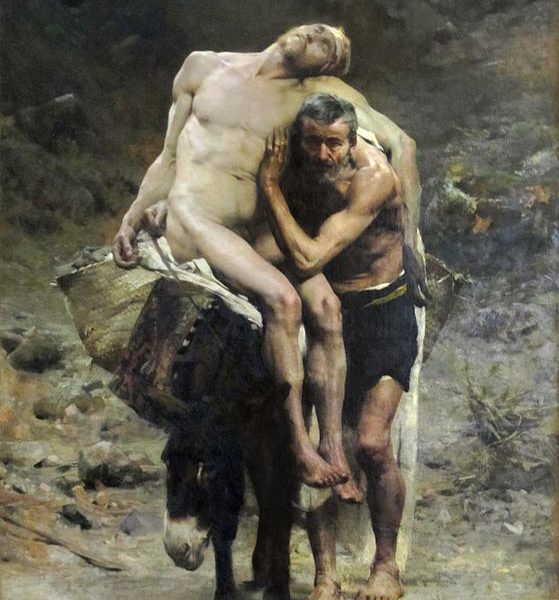
In response to a question designed to test him, Jesus presents a lawyer with a series of questions in response, which evade his trap and undermine the lawyer’s attempts at self-vindication. Through his conversation, he reveals the importance of asking the right question.

As we inch toward the presidential elections of 2016, crawling through a seemingly endless desert of soundbites, debates, and TV advertisements, we would do well to step back and revisit Reinhold Niebuhr’s Cold War liberalism. The new collection of Niebuhr’s Major Works on Religion and Politics, edited by Elisabeth Sifton, shows that Niebuhr’s political reflections are just as relevant today as they were when he wrote, and can guide us through the political wasteland in which we currently find ourselves.
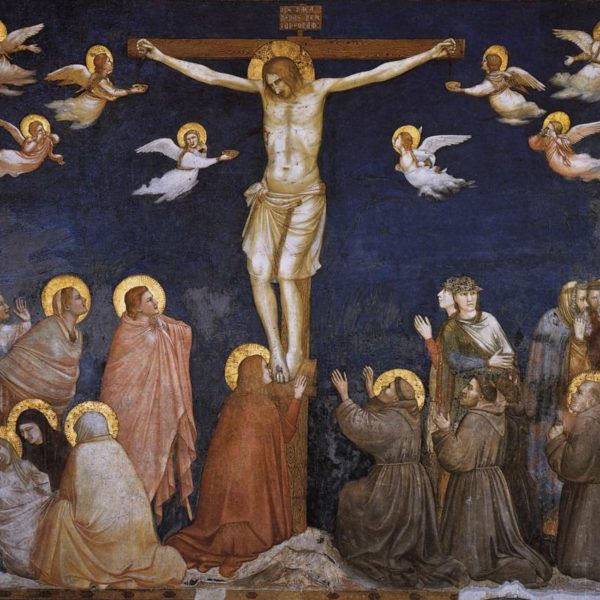
Paul’s vision of a social body formed around a crucified Messiah turns on their head many of the prevailing dominance models of society of his own day. The concern for members of society otherwise marginalized and devalued produced by such a political vision is one with considerable relevance to our own day.