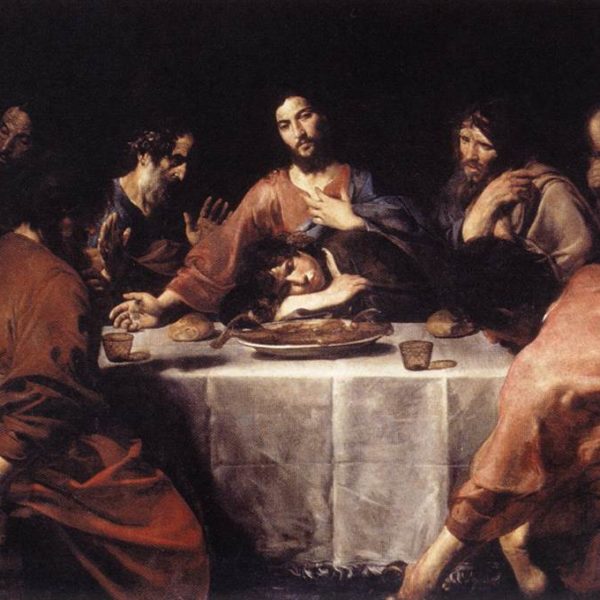
In maintaining a faithful Christian presence in the political realities of this age, few things are more important than living and acting in God’s good time, being people who find their life in the living memory of a sustaining past, who patiently wait in hope for a promised future, and who are kept in the present through faith in the daily mercies of One who is the same yesterday, today, and forever. Christ’s institution of a memorial helps us to do just this.
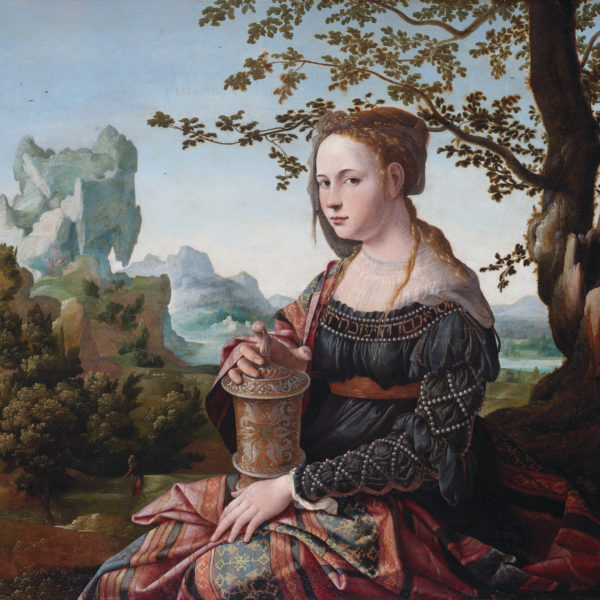
Jesus’ statement ‘You always have the poor with you, but you do not always have me’ could easily be regarded as a shrug of the shoulders in the face of the enduring problem of poverty. However, closer examination of the context of the statement in John’s gospel reveals a more compelling picture.
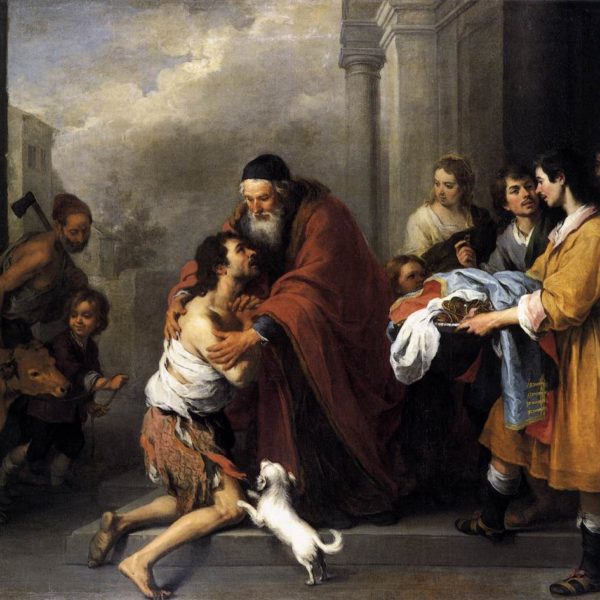
Although the parable is typically referred to as that of ‘the Prodigal Son’, the son who receives the father’s welcome has long since fallen from his state of prodigal living into one of the most abject poverty and lack. This father’s loving embrace challenges us to consider our provision of welfare and welcome to those in need among us, irrespective of how ‘deserving’ we might suppose them to be.
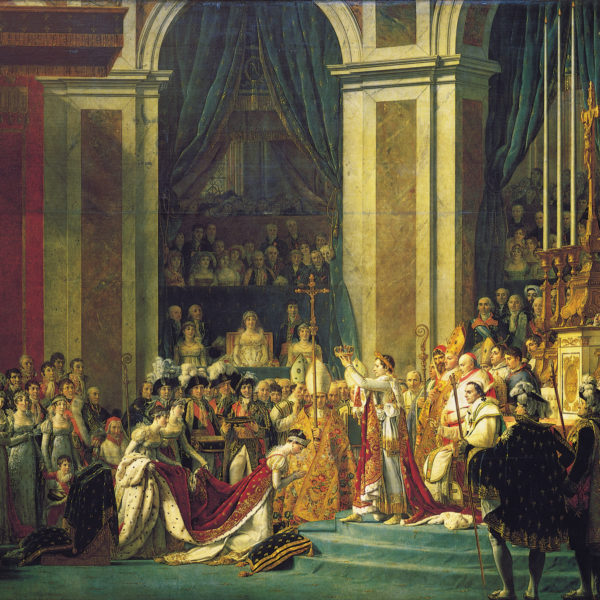
Spectacle has always played an important role in establishing power, authority, and sovereignty. In the unity of the dazzling body of the Transfiguration and the brutalized body of the crucifixion, the integrity of the spectacle and that which lies beneath is made known and our own polities’ lack of such integrity is challenged.
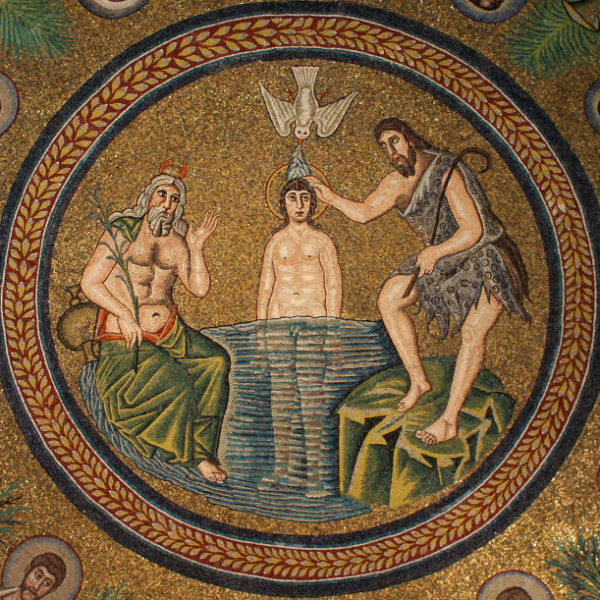
Both in Jesus’ baptism and in the later giving of the Spirit through the laying on of hands in the early Church, we see significance accorded to touch. This importance given to touch—to the tangible—summons us into the realm of human and bodily connection and engagement with others.
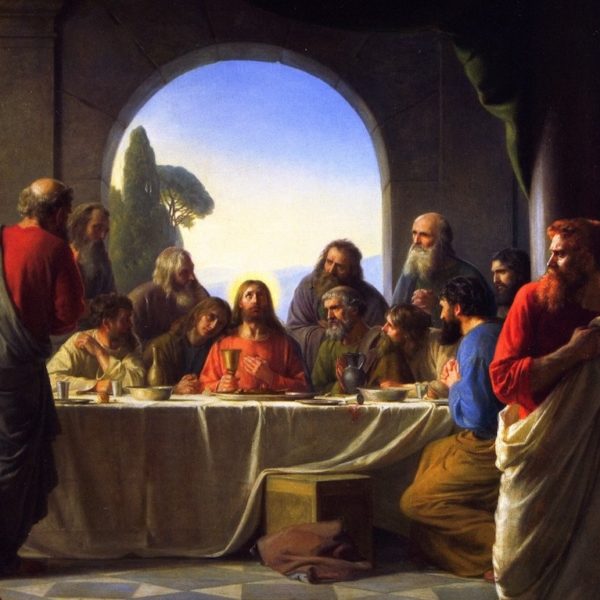
The political significance of Paul’s charge to the Colossians to give thanks to the Father in all things that they say and do is surprising in its far-reaching implications. The proper direction of our gratitude to God, the giver of all good gifts, limits the power of those who would dominate by indebting others, encourages us to release others from their debts to us, and frees us to give to those who cannot repay: it is one of the most radical political actions the Church engages in.
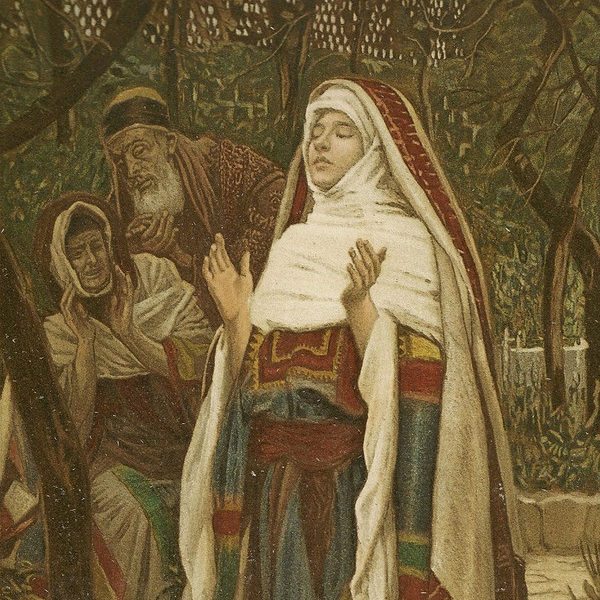
In the incarnation of Jesus, all our systems of social stratification—all our means of exploiting, oppressing, and humiliating one another—are revealed to be lies. Mary expresses a ‘Christmas revolution’ in her Magnificat, a vision for a radically different way of living decisively ushered in by God’s becoming one of us in Christ.

Jesus teaches his disciples the meaning of waiting in a faithful manner. Keeping watch for God’s work within the world requires avoidance of distraction and a desperate faithfulness.