
Jesus bears God’s seal of origin, the sign that he is God’s message to humanity. Yet this seal often remains unbroken, the message unreceived.
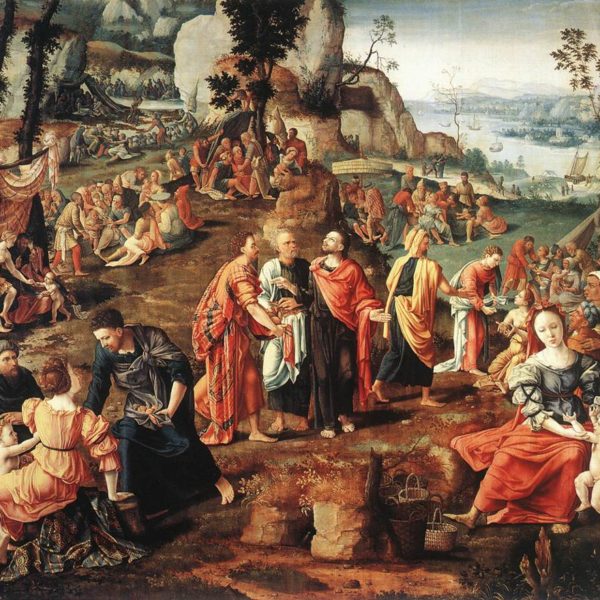
Jesus’s example in resisting the crowd’s desire to make him a king following his feeding of the five thousand is a challenge to a Church that so often pursues political power. It presents us with a vision of a Church characterized by ‘downward mobility’.
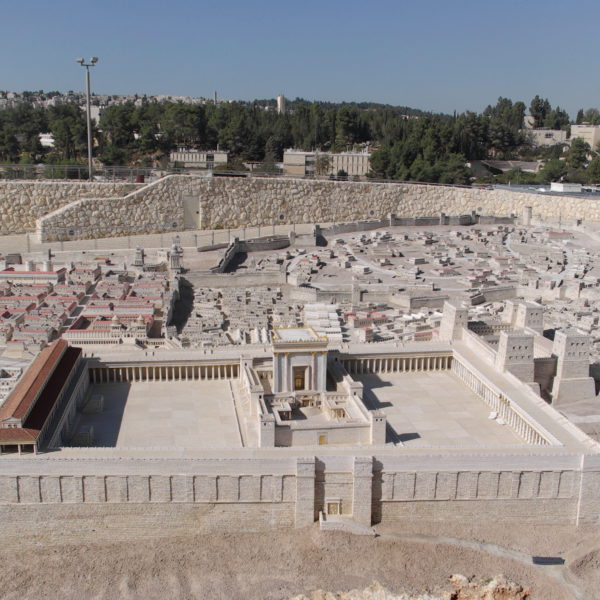
The formation of a new international polity is integral to the Apostle Paul’s understanding of the gospel. The Church provides a model for transformed international relations.

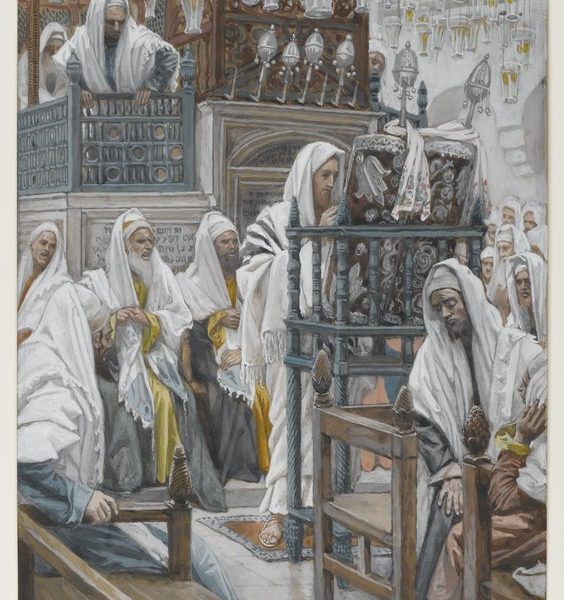
In this week’s reading from Mark’s gospel Jesus challenges the complacency that so commonly comes with privilege. The ease of privilege within the status quo can inure us to the claims of truth or justice that might unsettle it or that might trouble its assurance of its purchase upon reality. Yet such claims lie at the very heart of the Kingdom of God.

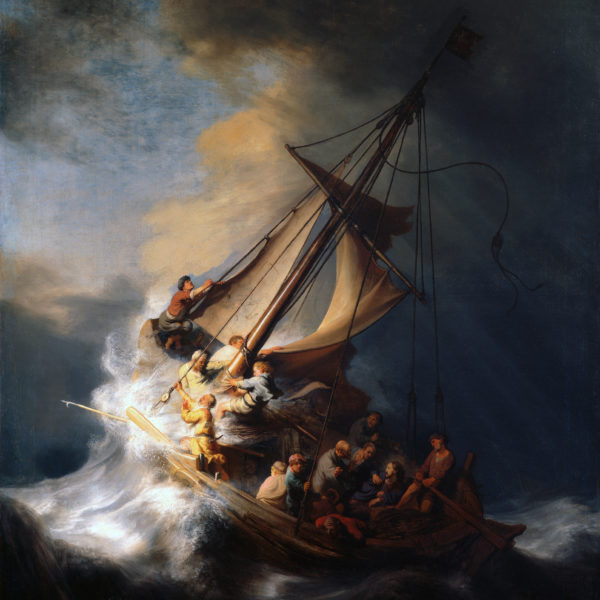
The storm at sea is one of the most potent experiences and images of chaos. Jesus’ miraculous calming of the storm is an image, not merely of his power with regard to nature, but also of his mastery over the chaotic political elements that threaten us.


1 Samuel 8:4-20 illustrates how fear of vague enemies can lead to the development of a military-industrial complex and fuel the domination of rich elites of the mass of a people. Against this stands the Deuteronomic vision of limited monarchy under God.
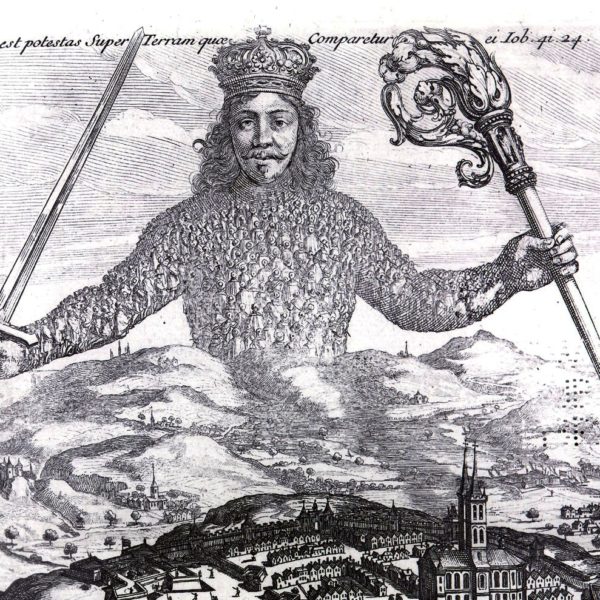
The biblical images of God as divine king are often handled with embarrassment in a more egalitarian age. However, although it may appear little more than accommodation to ancient despotic assumptions, throughout the Scriptures the kingship of God is presented as a great force for liberation against all human tyrants.
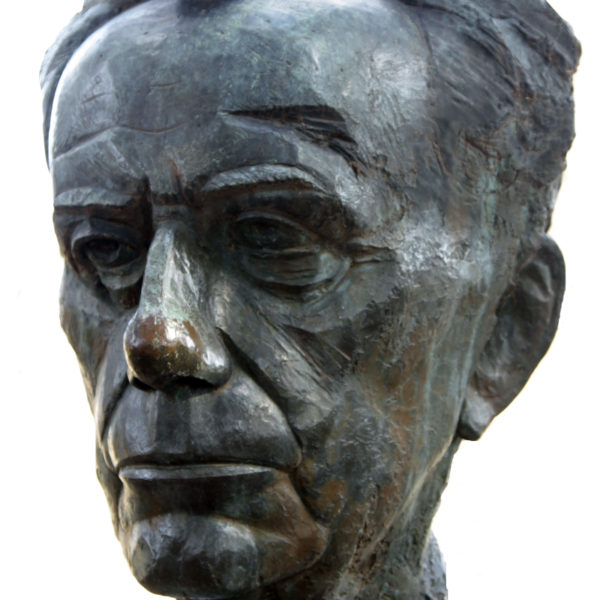
When Paul Tillich’s Theology of Culture hit the shelves of the Anglosphere in 1959, the book seemed to go against the prevailing mood of the time. Wages and living-standards across North America were up as the post-war ‘Keynesian miracle’ took its full effect. While the previous year had seen economic contraction in U.S. output, it was to be a small pause in a seemingly unstoppable advance. Canada and Australia also rode high in the economic league-tables, as the administrations in Ottawa and Canberra saw conditions of near full-employment.