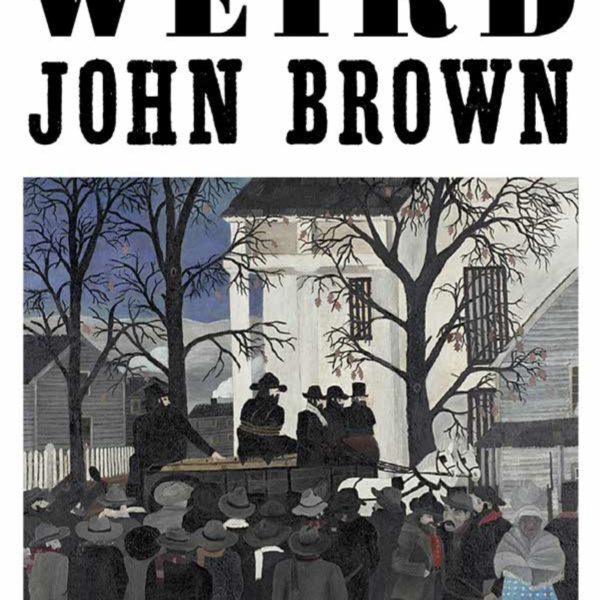
In conjunction with the Marginalia (part of the LA Review of Books), Political Theology Today has organized a symposium on Ted Smith’s extraordinary new book Weird John Brown: Divine Violence and the Limits of Ethics. Over the coming two and a half weeks, we will host responses to the book from E. Brooks Holifield, William Cavanaugh, Peter Ochs, Keri Day, and Andrew Murphy, concluding with a response to the responses by author Ted Smith. Here is the first response, from E. Brooks Holifield of Emory University.

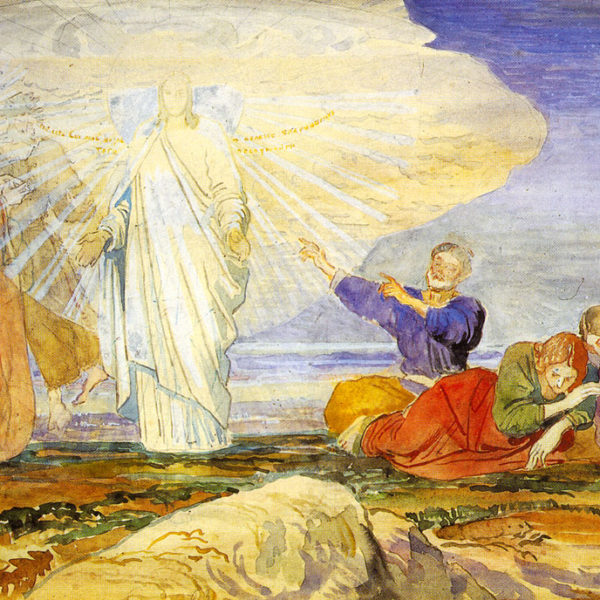
In the narrative of Mark’s gospel, Jesus’ journey to his cross in Jerusalem is interrupted by the incredible event of his Transfiguration. Peter’s rush to speech is characteristic of our frequent over-reliance upon words to process and respond to things that demand our silence and our wonder.
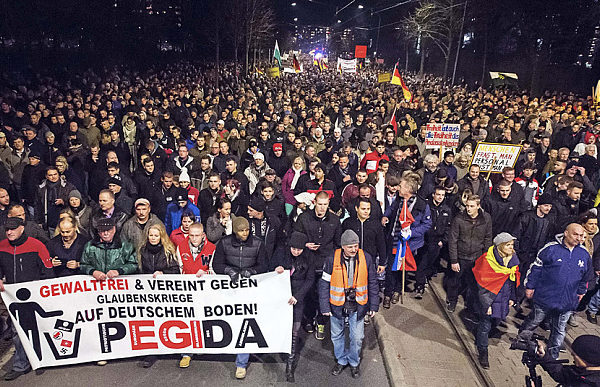
If 9/11 was the start of a moral panic in the West that the “clash of civilizations” was now underway, the tragic killings at Charlie Hebdo may have driven this panic to a new high. After all, Hebdo has a unique symbolic significance. Its satirical anti-clerical journalism represents the most valuable cultural assets of the West—freedom of speech and secularism. Moreover, Hebdo is French, and the French nation historically played a pivotal role, with its bourgeoisie revolution and laicite, in the making of Western civilization.
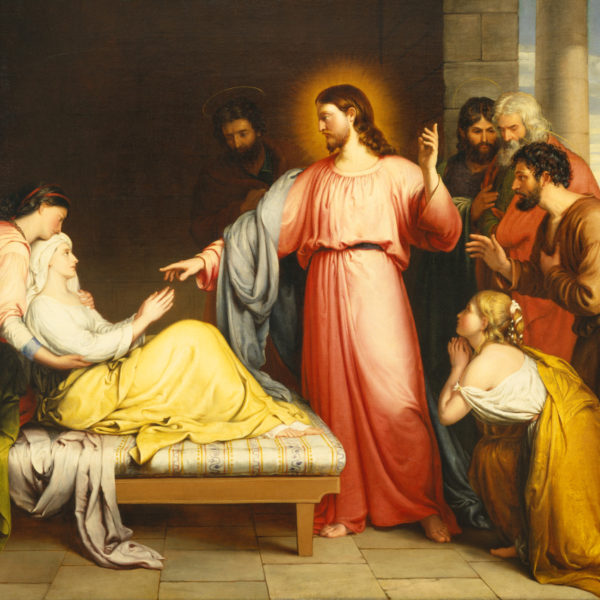
Jesus’ healings are not just random acts of charity on the way to the cross but are integral to the very point that his death and resurrection make: that God’s intention in this world is human well-being and life, even in the face of death. This presents a challenge to empires.

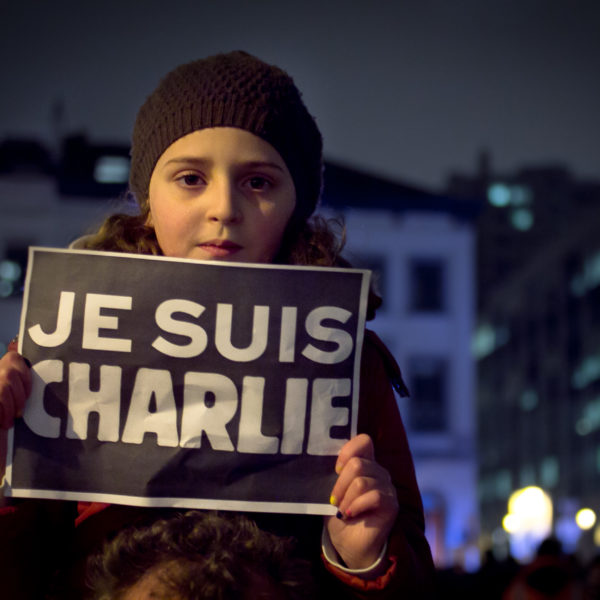
Within a few days following the shock of the terrorist assault on, and wanton slaughter of the staff of, the French satirical magazine Charlie Hebdo, the deeper crisis of Western liberal democracy—the crisis of universalism versus multiculturalism—surged into view.

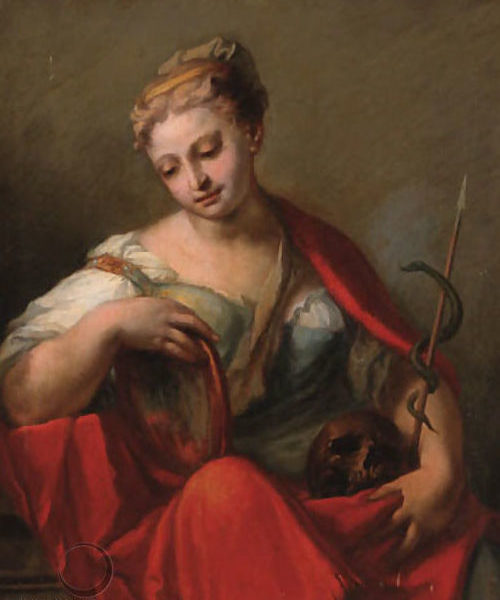
Call for Papers: Political Theology has expressed interest in publishing a special issue on the theme of intellectual virtue and civil discourse (subject to editors’ and referees’ approval). Due date: June 15, 2015.
Intellectual virtues are commendable traits of thought that facilitate the acquisition of knowledge and understanding. Public discourse would be much better off when citizens exercise such virtues, it seems.
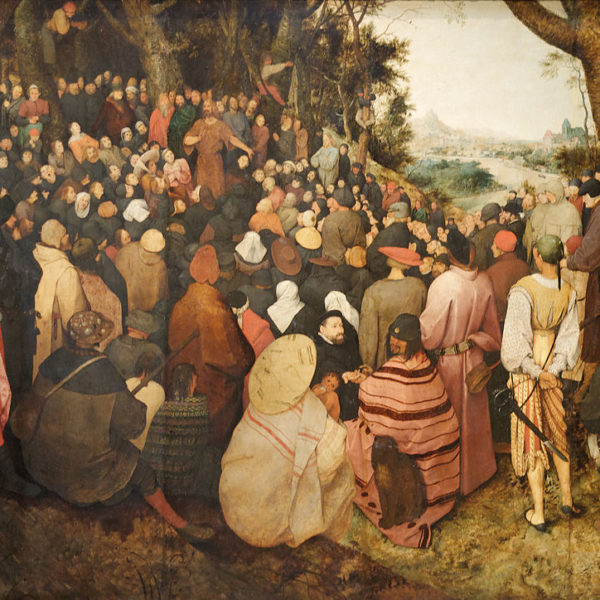
At moments of crisis, it can be the responsibility of committed individuals to secure and represent the self-understanding of the community or nation to which they belong, to provide the seed from which the entire social body can be renewed. Within easily neglected political dimensions of the baptism of John we may be recalled to our potential and vocation as political individuals in this regard.
The journal Political Theology is very pleased to welcome seven new members of its Editorial Board.
Roland Boer is Associate Professor in the School of Humanities and Social Science at the University of Newcastle, Australia. He is also Professor of Literary Theory at Renmin University of China, in Beijing. Boer is the author of numerous books, including the five volume series, On Marxism and Theology. He co-edits the journal Critical Research on Religion.