This text is one of the most fruitful lessons for thinking about the political theology of scripture in the whole three-year cycle. It is also one of the most humorous texts in scripture, as the powerless subvert the powerful.
For me, “political theology” thus names the study of the ways that imagination is embedded in sentient, desiring bodies, instantiated in vernacular forms of life and ordinary (ritualized) practices, and conjured in mytho-poetic metaphors, images or representations that are formalized by literary genres and assembled into scriptures.
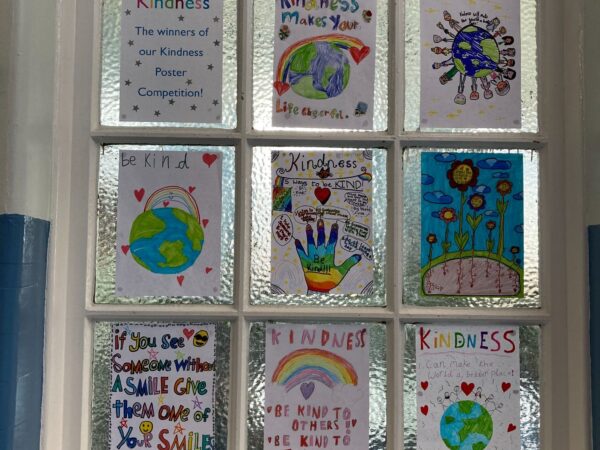
How would the politics of atheism be enriched and deepened by attending the perspectives of children? And how might making space for children shift our conceptualizations of ‘the political’?
Could prophetic politics, with its unique emphases, allow us to envision another, possibly less dogmatic and more differentiated form of political theology? Could focusing on the schism between prophetic voice and political institutions reveal a different understanding of political theological concepts, beyond the realm of power and sovereignty?

The introduction of radically liberative political concepts has profound implications for how communities understand punishment and vengeance. This particular political moment allows for a reconceptualization of power with regard to racism and scripture.

Situated on this eschatological middle ground, political theology must reckon with how we live in a time when the kingdom of God is present, creating moments of transformation and rupture…To speak truthfully, political theology must also speak to the quotidian joys and everyday struggles that make up the ordinary time of our lives.
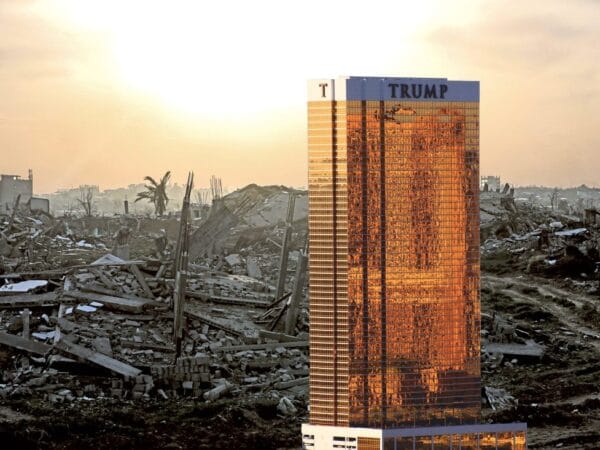
Even the highly professionalized logos of scholarly discourse does not just suffer from logoclastic dynamics but is positively animated by them.

Does being “without sin” mean never regretting anything, or getting everything right on the first try?

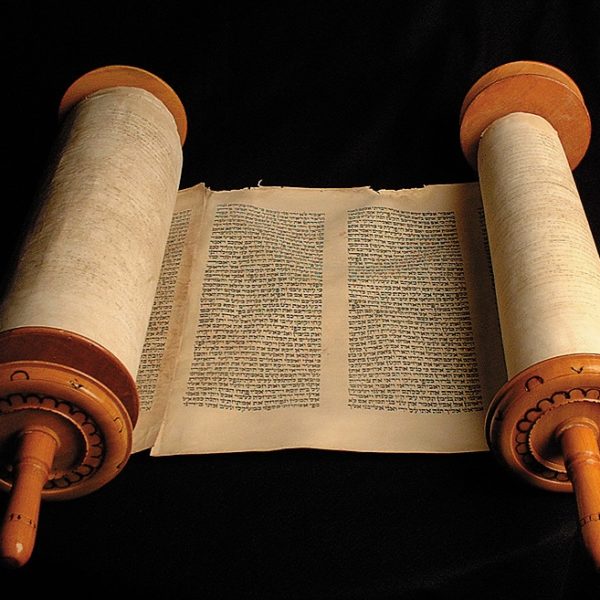
For this symposium, we asked respondents to reflect on the question, “What are the political implications of naming a text sacred?”
Samuel speaks of God as working in and through the events to deliver “ruin on Absalom.” This is not simply God with us. It is God against us–whenever we treat our “kingdom” as if it was ours and ours alone. Both David and Absalom acted as if their people, the Kingdom of Israel, were their own plaything.