
The main problem is, we the people have given and continue to give it to them. Notice in the text that it is not Aaron who first announces that the calf is the god that delivered Israel from Egypt. It is the people themselves who identify this false connection, just as we ourselves are complicit in this perverse deification of injustice.
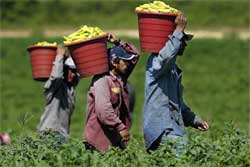
Jesus says, “Have you never read in the scriptures: The stone that the builders rejected has become the cornerstone?” (20:42). Have you not heard that the poor own the kingdom of God? Do you not remember that the meek are blessed? Do you not remember that Christ is incarnate in the least of those among us? It is as hard for us to hear the cries of the poor today as it was for the Jesus’ fellow Jewish teachers and leaders to hear the voices of the tenants.
Amidst today’s solemn gatherings, plaintive recollections, and lachrymose tributes which will honor the thousands murdered on 9/11, we should also pause and contemplate the cost of American “justice.”
So now these chopped-apart verses stand in our textual memory as a testament to a moment when our movement was frightened by the logical conclusions of its own radical claims.
From a political perspective it becomes vital then to stave against the self-imposed silence the brothers experienced and to hear clearly the voices of those we have cast into the pits of the earth.
A Reflection on Romans 8:26-39, Sixth Sunday after Pentecost
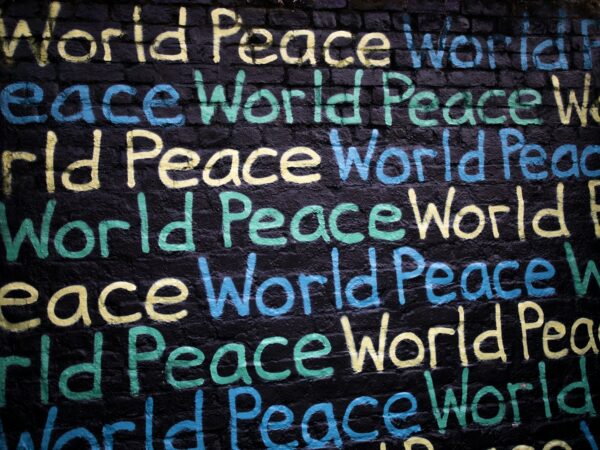
How do we then understand a biblical vision of peace relevant for our contexts today? Peace, from a decolonial theological perspective, is not a mere act of non-violence, nor is it about drawing peace plans from the perspective of the powerful global powers; rather, it is about the holistic well-being of the whole creation, coupled with justice, where life matters.

It is imperative to respect the claims of conscience behind the pacifist convictions often associated with the rejection of the modern state. But if Catholic social teaching is going to incorporate nonviolence more fully, it also must develop the connection between nonviolence and modern politics.

By disrupting pernicious claims to transcendence, atheist political theologies can help us redress suffering in particular places while keeping hope for radical transformation.