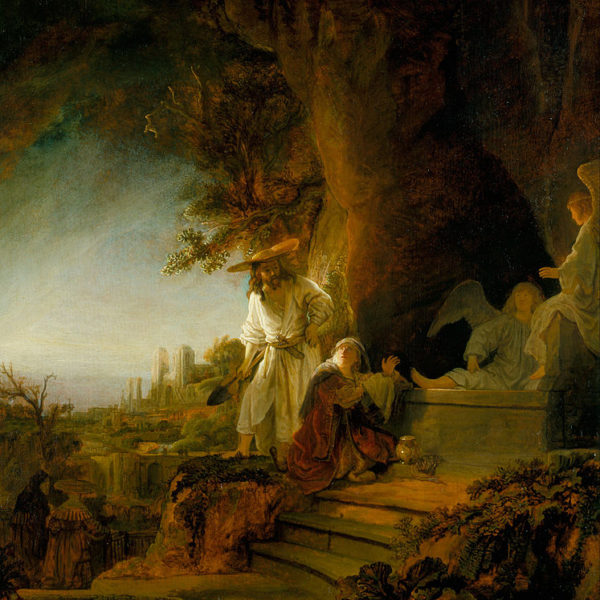
The resurrection does not erase suffering: it teaches us to live in a world torn by injustice. It gives us hope that God is present in the ugliest violence of human life, and that God engages human history to create meaning on the other side of tragedy and injustice.
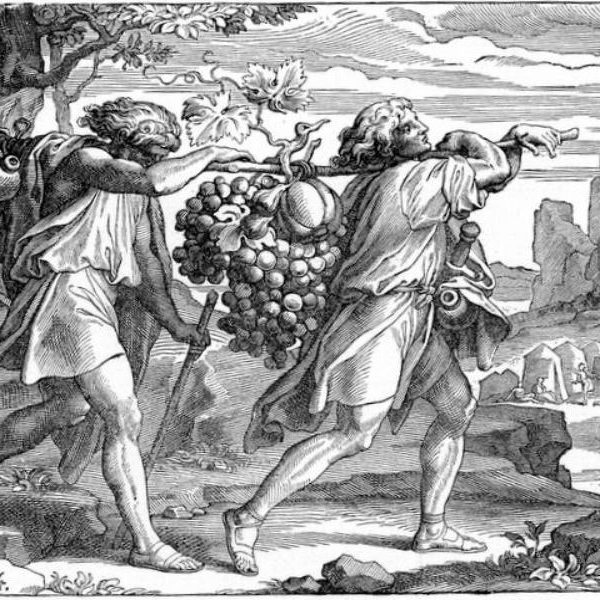
The promise of the new covenant in Jeremiah 31:31-34 contains political dimensions that typically pass unrecognized, but which provide a rich description of an ideal polity. This prophetic vision can serve as a powerful counterpart and companion to more conventional political utopias and idealized societies.
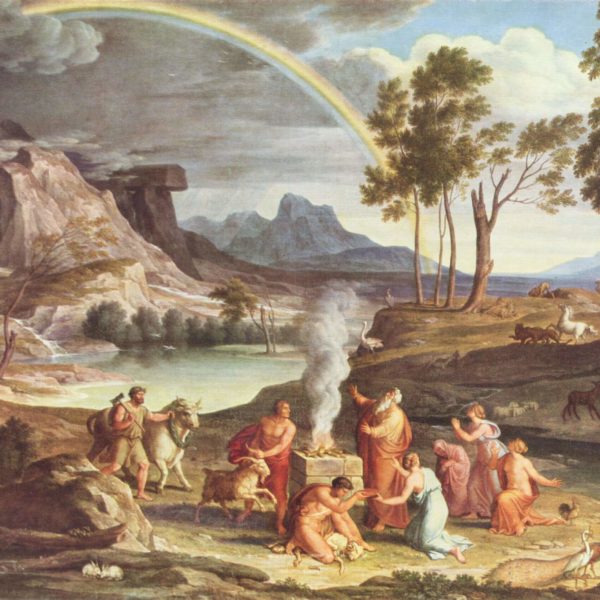
God’s covenant with humanity and creation after the Flood is a universal one, a theme that is often revisited in later Scriptures. This is an important word in a world with wars fuelled by religious differences.
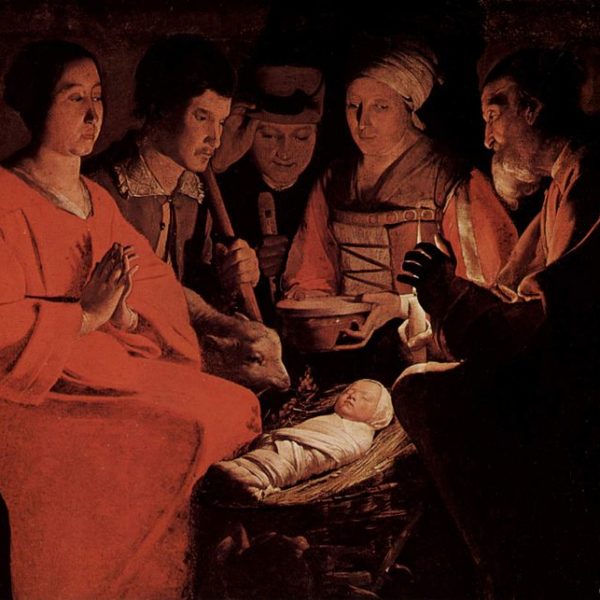
To those familiar with a Western account of the incarnation, Native American frameworks can provide illuminating and challenging alternative perspectives. Within such perspectives, rather than the grand cosmic flow of history, it can be our more immediate spatiality that comes to the fore.

In Isaiah 42, the prophet speaks both of the vulnerability of a dimly burning wick and the great light of the world. Understanding the relationship between these two images can provide us with hope and insight as we seek justice in our situations.
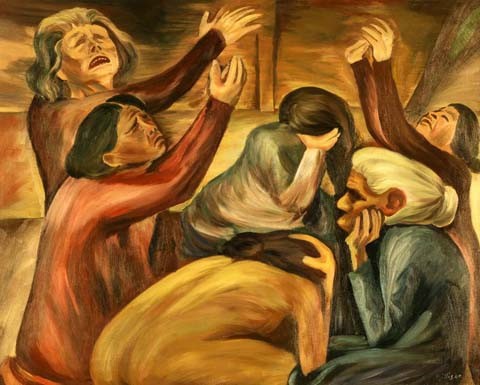
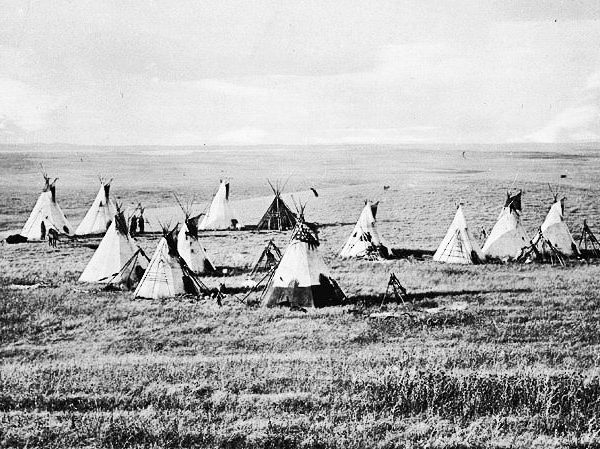
Exodus reminds us of what as human beings we have in common with the land and all of its resources—we are all both creations and possessions of the eternal God. In light of this, as we recognize and respond to our own needs and desires, making claims on the land as a result, we must also recognize the land as possessing its own distinct claims, dignity, and integrity.
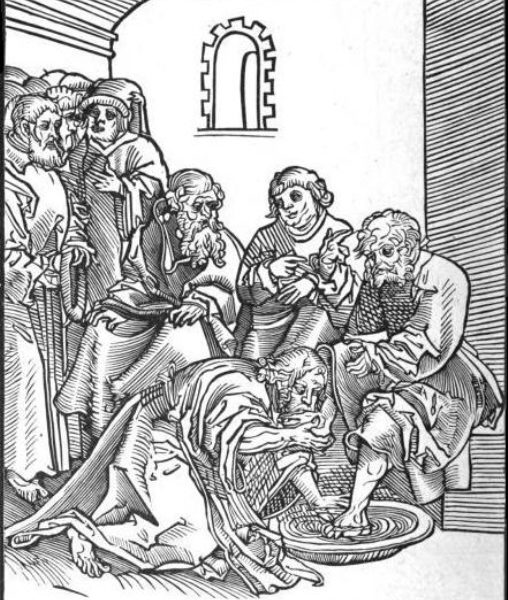
Christ’s actions on Maundy Thursday present a challenge to Enlightenment views of property. Through the Eucharistic vision of Christianity, we become more like Christ, and we do so together enveloped in an all-encompassing commandment of love: we grow together, not only in that we all simultaneously grow, but the barriers between us dissolve and our original love is mended.
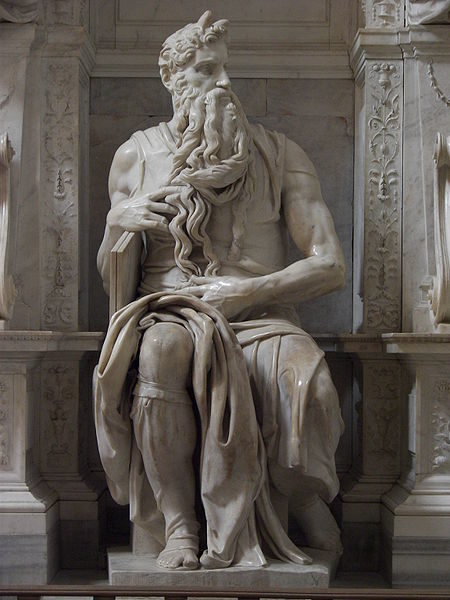
Fom the vantage point of those who would come after them, the Deuteronomist’s community realizes that, though there may appear to be a wide array of choices for the community to make about the direction it will take, in reality, there are still only two, and one is still unthinkable.
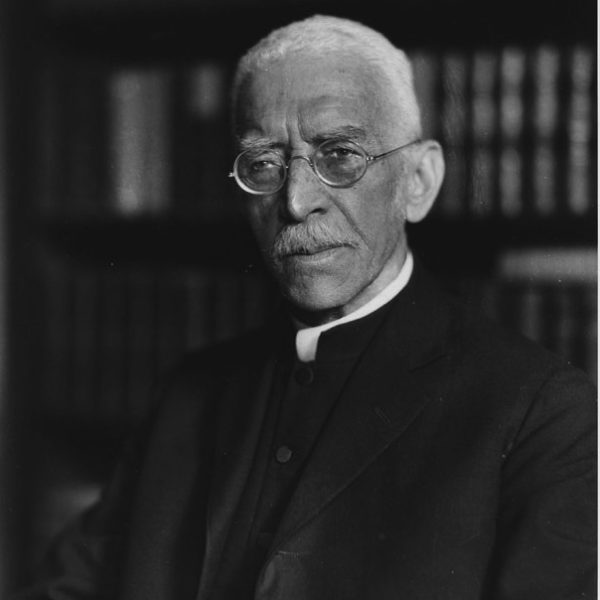
““I cannot believe that the men who occupy the pulpits of this land, assuming that they are men of ordinary intelligence and common sense and that they have, as they ought to have as leaders, some little knowledge, at least, of the Word of God, are without some convictions on the subject (of race prejudice), that they do not know that it is wrong, contrary to every principle of Christianity.”
Personally, I’m glad that Hosea is in the lectionary, though there is not much in it that we will “like.” As it is with spinach and colonoscopies, we can nonetheless grasp the value of things which otherwise might leave us cold.