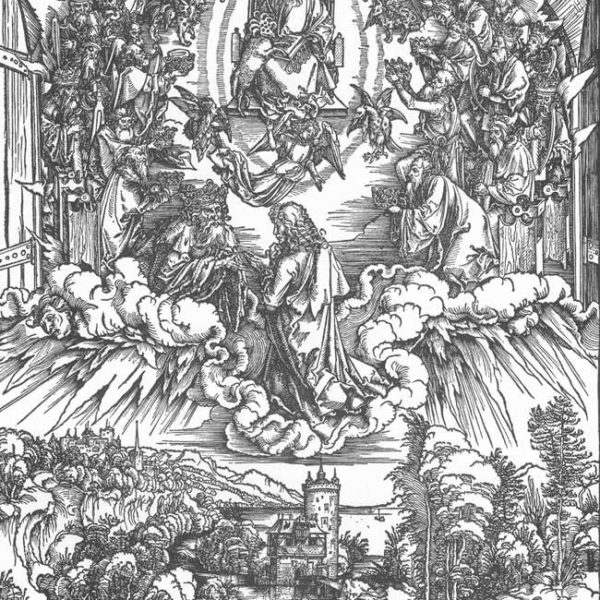
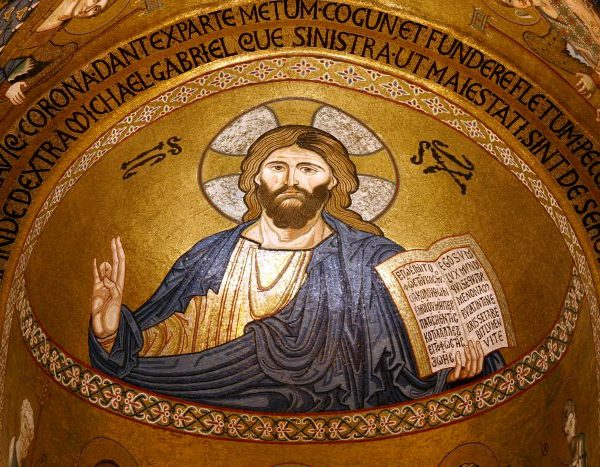
In a powerful hymn of praise, Paul discloses the truth that must lie at the heart of all Christian political theology: Christ the first in and over all of the creation.
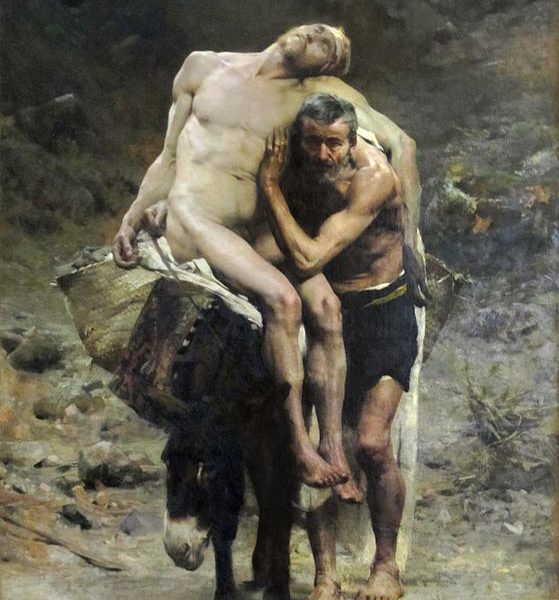
In response to a question designed to test him, Jesus presents a lawyer with a series of questions in response, which evade his trap and undermine the lawyer’s attempts at self-vindication. Through his conversation, he reveals the importance of asking the right question.
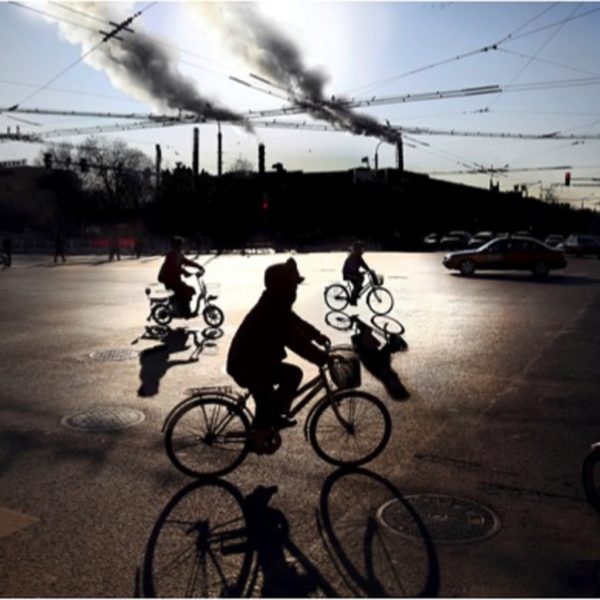
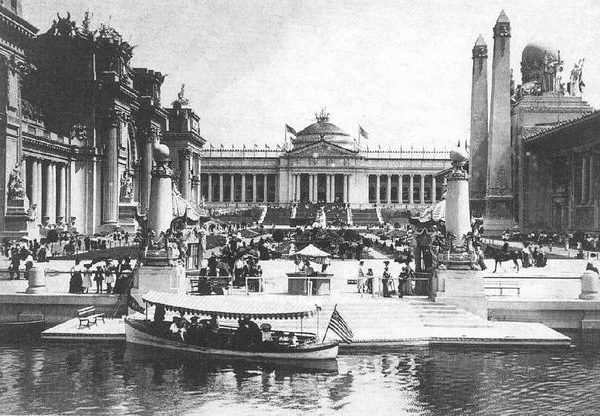
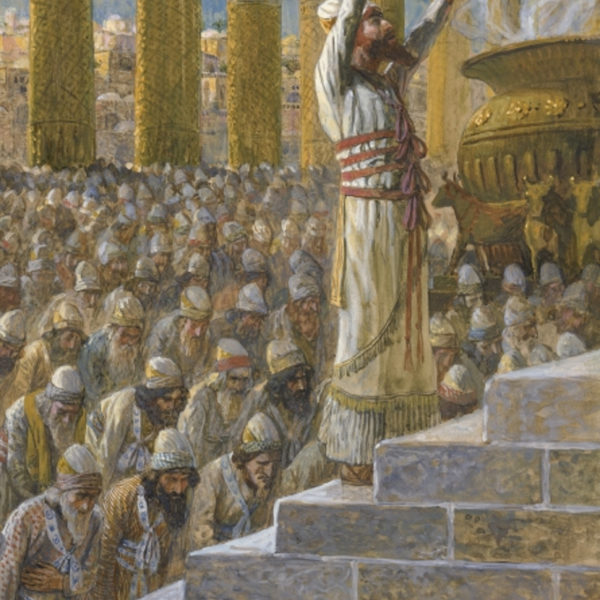
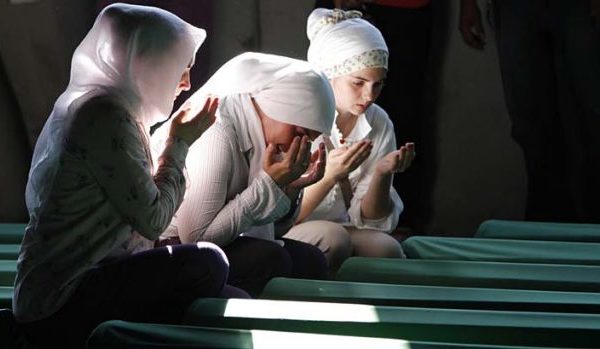
According to 1 Kings 8, prayer is what Israel is supposed to do in times of helpless hopelessness. The temple is where they turn when there is nowhere to turn. Israel as a whole was invited to appeal to the High King for help in times of trial, and the text leads us to wonder if every polity directs its hopes toward a temple.

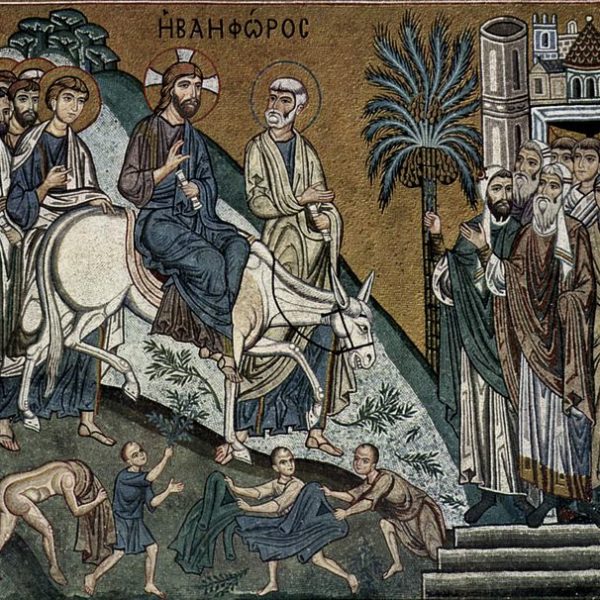
The donkey plays a surprisingly significant role in the history of Israel’s kingdom. Entering into Jerusalem on the back of a colt, Jesus performs a symbolic action that manifests his true identity and the character of his kingdom.
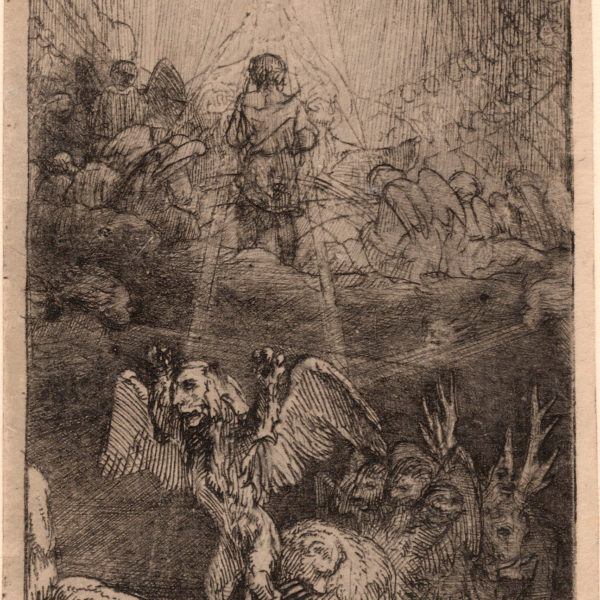
For those living in powerful nations, for those prospering in the global economy, our response to the Reign of Christ Sunday might better be one of repentance than triumph, of humility rather than arrogance. For the reign of Christ stands in opposition to our own reigns, as the world is turned upside down, bringing judgment for those in power and justice for those who have suffered.

As political theologians we may be peculiarly vulnerable to the error of neglecting—or even denying—the significance of the obscure and personal struggles and victories of the faithful that do not assert themselves onto the grand public stage of society. We have much to learn from Hannah’s recognition that, in God’s answer to her prayer for a son, the seeds of a dramatic social and political upheaval had been sown.
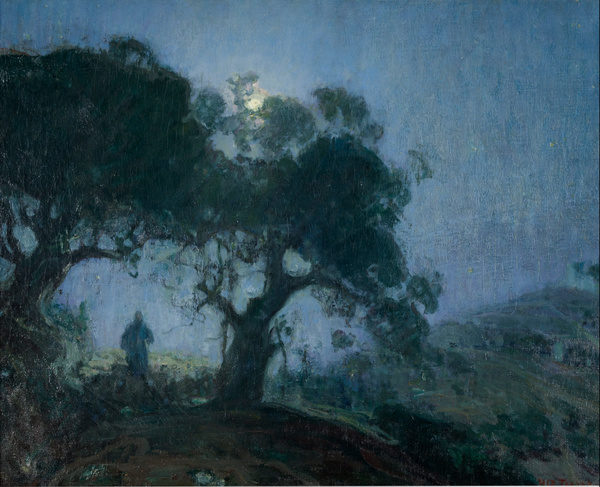
The familiarity of the 23rd Psalm can blind us to the striking political dimensions of its message: YHWH is the shepherd of the king, protecting him from enemies and granting his kingdom prosperity. Close reflection upon this psalm may also suggest some significant applications within the contemporary world.