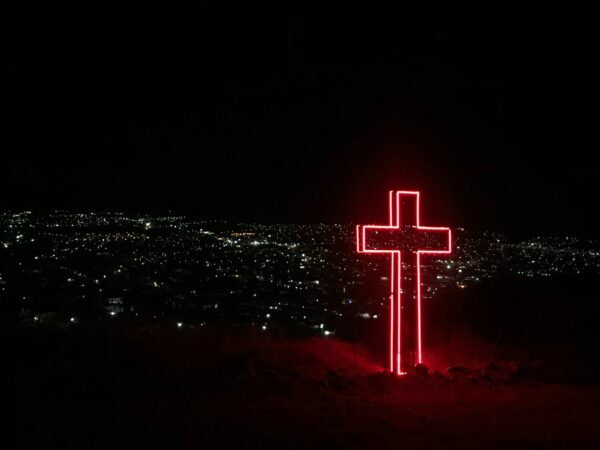
Any power we might feel we gain through the power over dynamic is illusory and fleeting, and will always eventually result in our death/defeat, with our illusions of power lying dead around us.

Images of imprisonment appear throughout the Psalter, where the psalmist turns to God as refuge in order to exit the pit of despair. Similar to the life of Omar Ibn Said, and the opera which tells his story, images of shelter and succor help the psalmist escape the abyss of embattlement, imprisonment, or depression, and nurture the attitudes of care, trust, and hope that crest in Psalm 146 and the Hallelujah psalms.
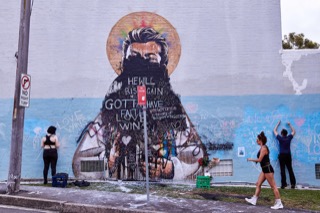
Queer Catholics live outside of the Church’s vision of the good life. Let us imagine what queer holiness looks like.
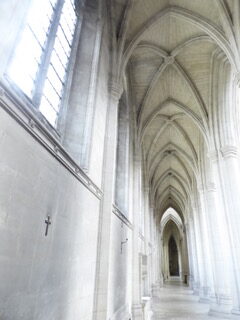
In its embrace of solitude, contemplative prayer opens up a space of tension around the social and embodied qualities of desire.
Lydia does not need a man or any other figure of authority to speak for her or to dictate her life. She is her own agent and even Luke-Acts’ Paul has to respect that. She cares for her own, commits to seeking justice, and makes her own choices.
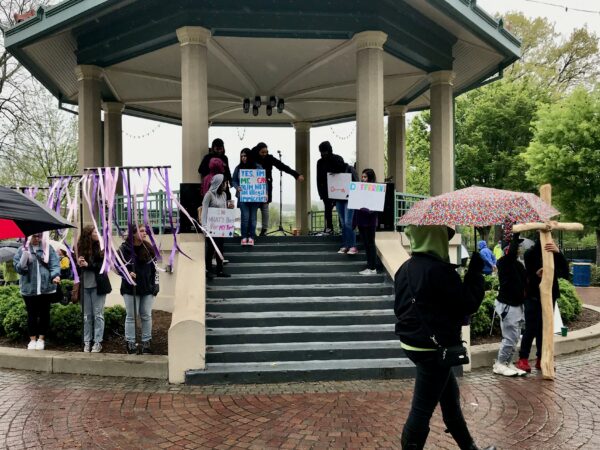
A common denominator among most scholarship on the relationship between theology and anthropology is lack of specificity around which and whose anthropology and theology we’re talking about. This overly generalized frame has privileged white, male, Eurocentric intellectual traditions and misses the generative possibilities of a more specific interdisciplinary exchange.

As apostles of Jesus, in the face of hatred and violence, Christians are called to embody a culture of healing and transformation. Being witnesses to the risen Jesus Christ is an existential commitment to pursue justice and practice love.
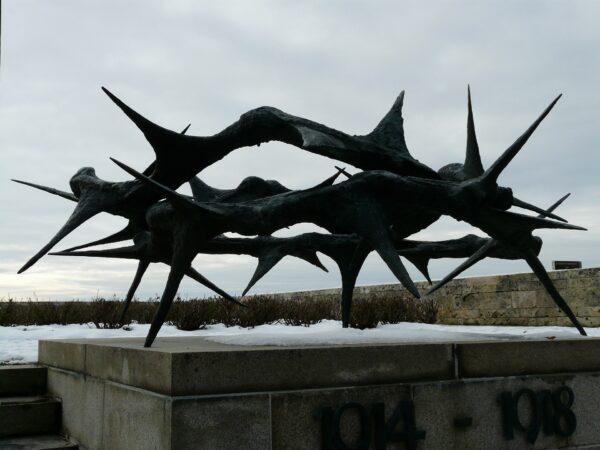
If Christ is King, he takes on that role in order to subvert dominant understandings of power and its exercise. Christ turns power and kingship upside down and uses them for new and much more creative and life-giving purposes.
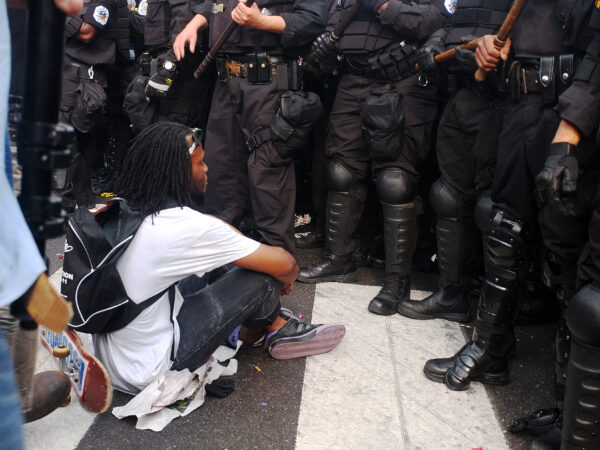
Walter Wink was a controversial figure when he was alive, so it is not surprising his critique of the powers and principalities continues to draw criticism while inspiring new generations of Christians to engage in nonviolent resistance against structural injustice.

Is wealth the opposite of Christianity? Is profit antithetical to the kin-dom of God? A look into Franciscan friar Luca Pacioli’s accounting process – now called reconciliation accounting – reveals that despite Jesus’ words, the practice of Christians in the Western world has emphatically answered: no, they get along just fine. It is high time for a Christianity, guided by Mark 10:17–31, that is unreconciled with wealth.

Wisdom’s words of judgement are not for others; they are for us. Wisdom has called and we have refused. She has stretched out her hand, and we have not heeded.
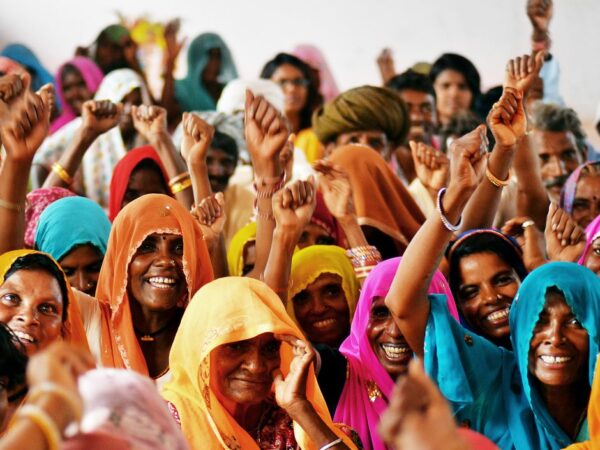
When leading members in the church uncritically participate in class based favoritism, they become complicit in oppression. The message of James is simple and arresting. Judgement awaits those who ignore God’s preferential option for the poor and become participants in prevailing discriminatory logics.