
Political theology, insofar as it can articulate an analysis of and resistance to rape culture, offers many resources for confronting sexual violence.

How is the riven social body, with its divisions between poor and rich, to be healed?

The Pharisees were not wrong to question Jesus, but as much as we might want to empathize with them, to agree that there are simply certain things good people do not do, Jesus rejects human propriety as an orienting standard. Jesus is talking about the human heart, something Christians today also must consider.
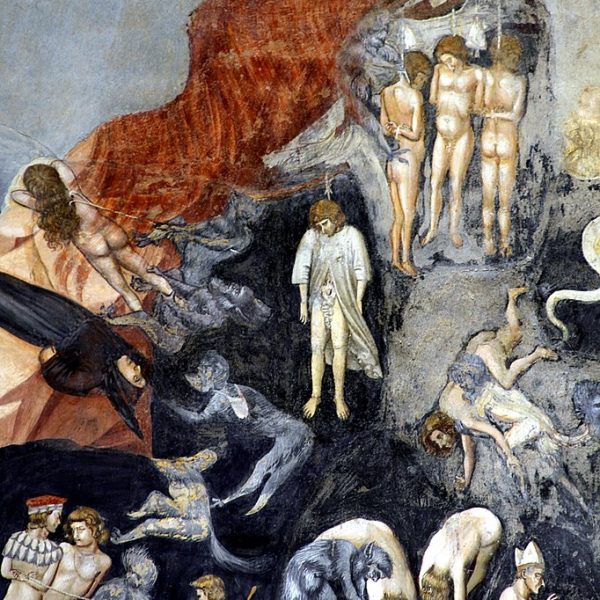
The gory fate of Judas is an unsettling feature of the narrative of Acts for many modern readers. Yet recovering the New Testament authors’ sense of the fearful consequences of opposing the reign of Christ is a necessary task for political theology.

Like all sacred texts, Jane Eyre does not simply offer clear, direct answers to the questions I ask of it. It requires, rather, the work of exegesis.

‘Under New Management’: The perfect way to describe people who are led by the Good Shepherd, rather than by the false shepherds of this age..





Parts of the world tremble again at religiously inspired revolutionary activity. Too easily do we forget that very similar forms of such activity have appeared in earlier periods of time, even if the content was somewhat different. Thus, in the nineteenth century, the socialists organised, while the anarchists threw bombs and carried out assassinations. And in the sixteenth century, Thomas Müntzer and the Peasants organised and theologised for the revolution, while the Anabaptists were seen as the extremists, the terrorists who had to be eliminated.