
The prophetic parables of the vineyard afford their hearers an illuminating vantage point upon the intergenerational peoplehood and unified moral agency of a nation. They offer us a new way of perceiving our national selves beyond the stifling frame of secularism.

In light of the two kingdoms doctrine and the separation of church and state, understanding the appropriate form of Christian prayer for and engagement with the political realities of our societies can be complex. In Jeremiah’s message to an exiled people, we find a pattern for prayer in a pluralistic context, a calling that identifies our primary task to be one of seeking the common good and welfare of our communities, rather than one of submission or conversion.

Love should be the interpreting principle in every situation and to every person. Love for God is not expressed by hatred towards a neighbour based on any text.

Normative distinctions between “honest” and “hijacked” Christianity are a recurrent reference in research on populism. Yet the practices in which Christianity is embedded and embodied paint a more complicated picture. By re-drawing the distinction between the “honest” and the “hijacked,” these practices enable critiques of the anti-Muslim racism that runs through populist politics.
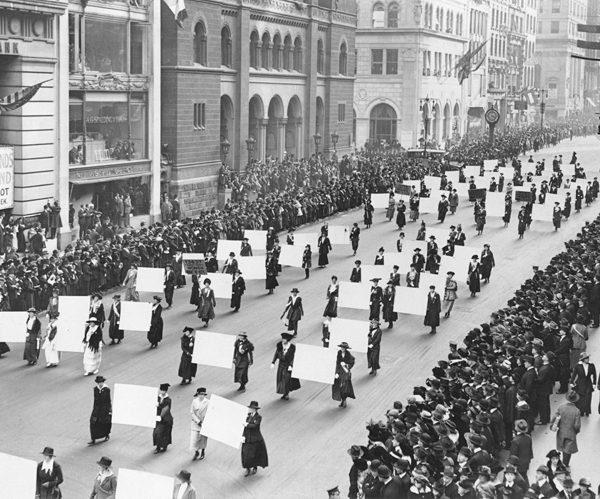
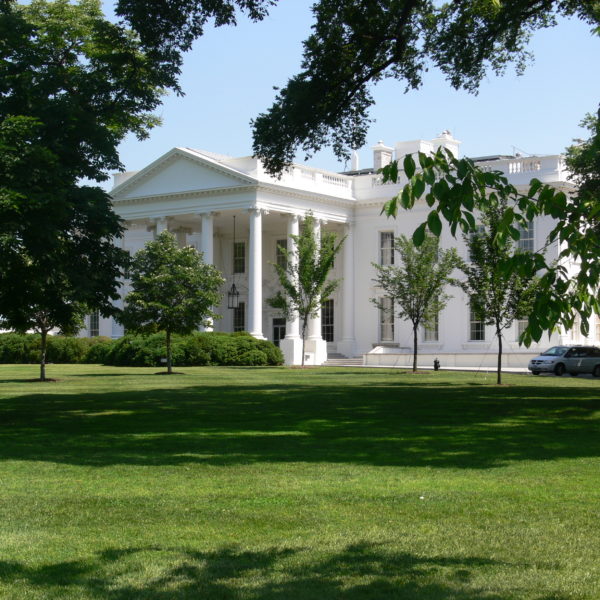
For nearly two decades, Wesley Theological Seminary has sponsored the National Capital Semester for Seminarians (NCSS), a program which immerses students from Wesley and other seminaries around the country in the politics and policymaking of Washington and the ways people of faith intersect in those spaces. When Dr. Shaun Casey, the long time coordinator of the program, left to join the faith outreach office at the U.S. Department of State upon request of Secretary of State John Kerry, I stepped in to help direct the program.
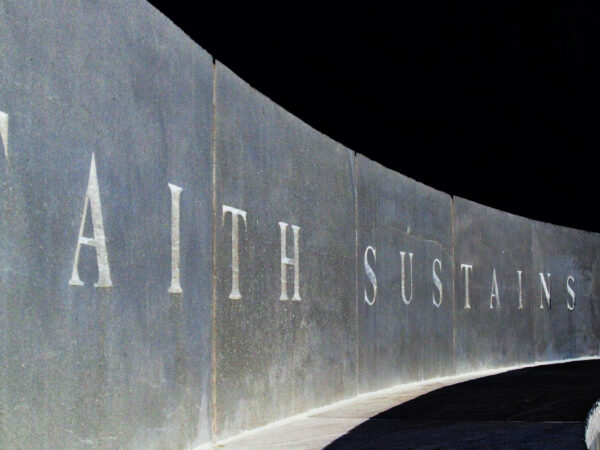
This essay reclaims the value and role of faith in Shulman’s political theology and shows why it is important for wrestling with our contemporary political realities.

We have a call to responsibility regardless of whether you love or respect or agree with or feel in any way comfortable with your neighbor. It is the call to protect your neighbor even if you hate her.

“So, this is the crossroad. It seems that evangelicals increasingly are at the same time in a quest for power and a lack of thought”
There are few terms that evoke greater distrust among many wise and sceptical people on both sides of the Atlantic right now than ‘faith-based politics’. A large part of that distrust comes from an awareness of the potency and even toxicity that can arise from religious or ideological emotion and commitment – and not just among those whose beliefs (religious or otherwise) are other than, or opposite to, our own….

All human beings (including me) are capable of dehumanizing others. Moreover, all dehumanizers (including Jesus) can change their minds.

David Brazil, Sarah Pritchard, Precious Bedell, and Joshua Dubler discuss the foundations of a national jail and prison ministry.