
Even while the concept of canon has been thoroughly critiqued and deconstructed, implicit canons remain and it may be best to acknowledge their presence rather than seek to repress them.
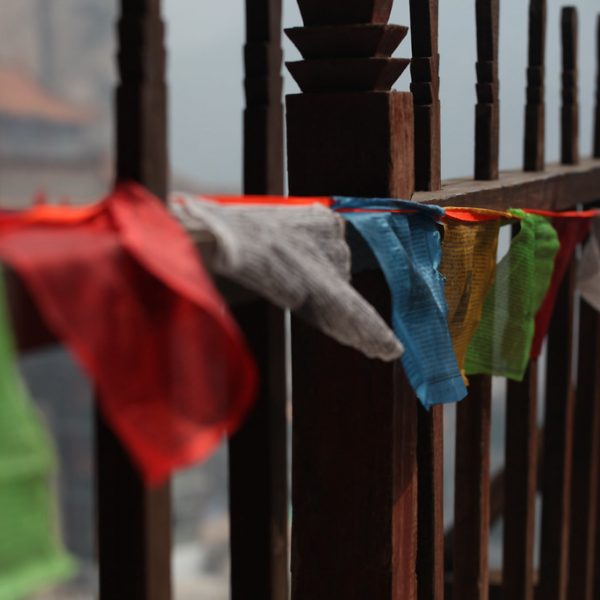
The reader should take away from this special issue the sense that the basic dichotomy of “the West” versus “China” needs to be reformulated. While the West has much to learn from listening to non-Western voices, the work of actually listening reveals that such sharp distinctions do more harm than good.

Churches cannot be party to redemption narratives which exonerate the carceral system.

The wall at the US southern border and the wall in Israel are are material testaments to ethnic exclusion. Both walls are partially constructed. Both are resisted and ridiculed by public art.

It seems that only a certain kind of public theologian, touting a certain kind of theology, is recognizable to the religiously unaffiliated as being, well, religious.
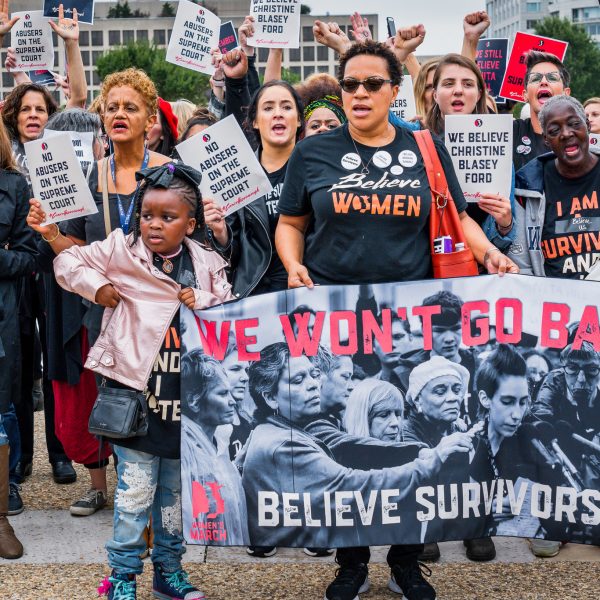
Political theology’s prospects for contributing helpfully to movements of resistance to sexual violence depends on the willingness and ability those who contribute to political theology as a discourse to discern and prioritize the kinds of questions that are deemed most urgent by sexual violence survivors themselves and those who have devoted their work to ethically addressing this harm.
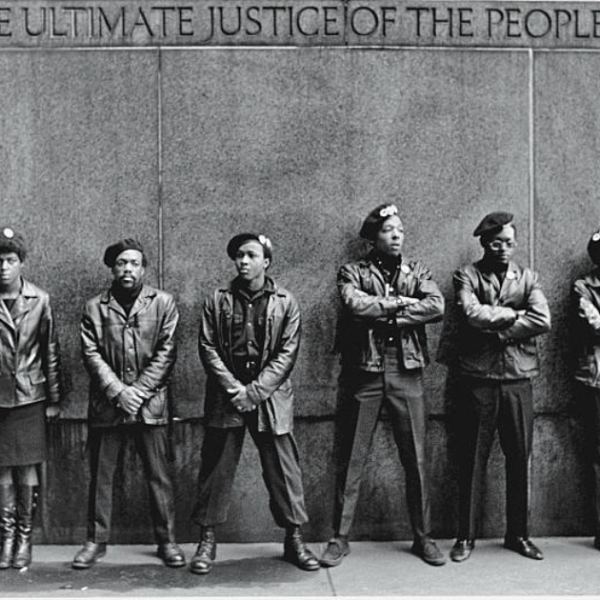
How can community be grounded, if neither in force nor in love? To find out, we must reckon with Arendt’s reading of Augustine, for whom love and force were intimately intertwined.
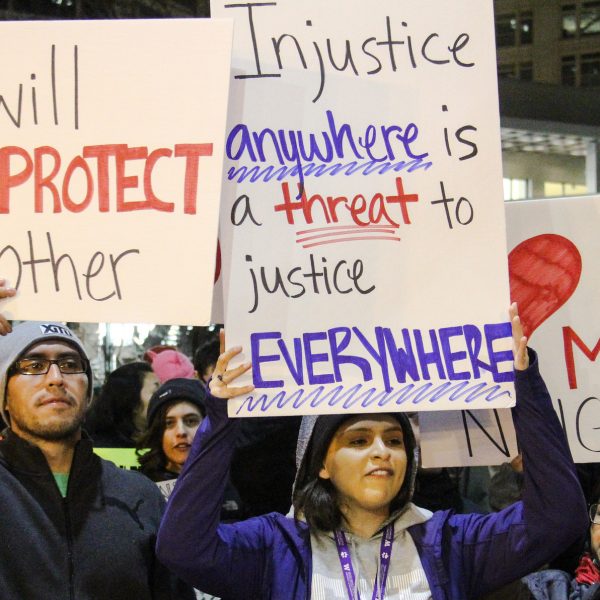
What is at stake in invoking “love” in political spheres? When we claim that “Love Trumps Hate”, what vision of “love” are we championing? When and how is it valuable for activists and religious leaders to make recourse to the idea of “love”? What kind of obligations does “love” entail?
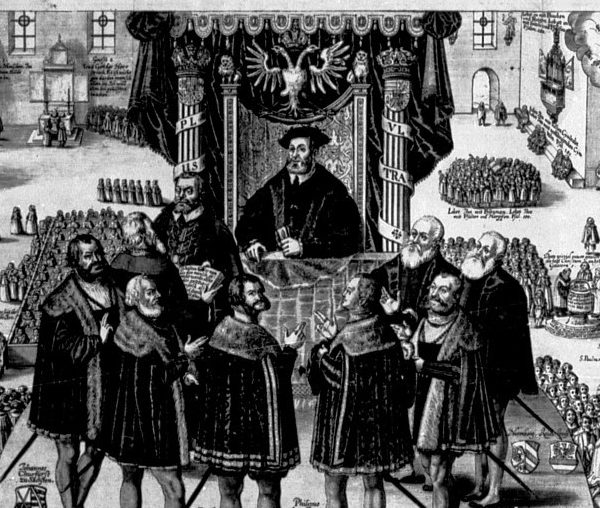
As fruitful as this occasion can be for increasing broader awareness of the Reformation’s historical importance, such an outpouring of publications aimed at a more popular audience can run the risk of breathing new life into over-simplistic grand narratives.
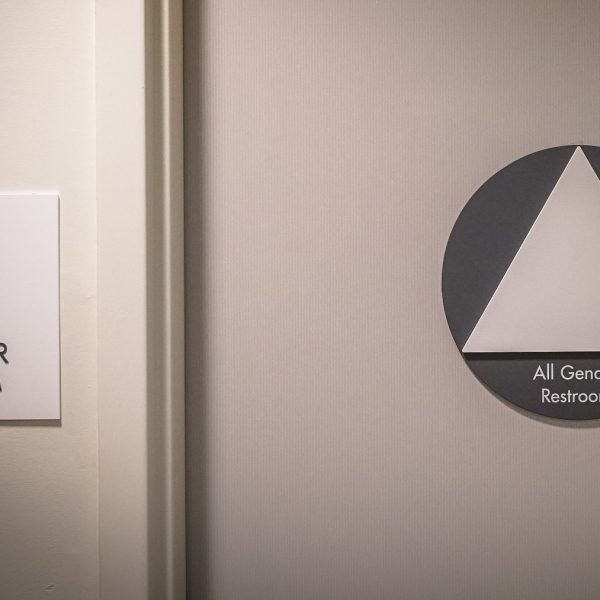
Working for toilet justice is a vivid, material, concrete way to demand space for marginalized bodies, and to resist a respectability politics that sacrifices problematic bodies for the sake of political expediency
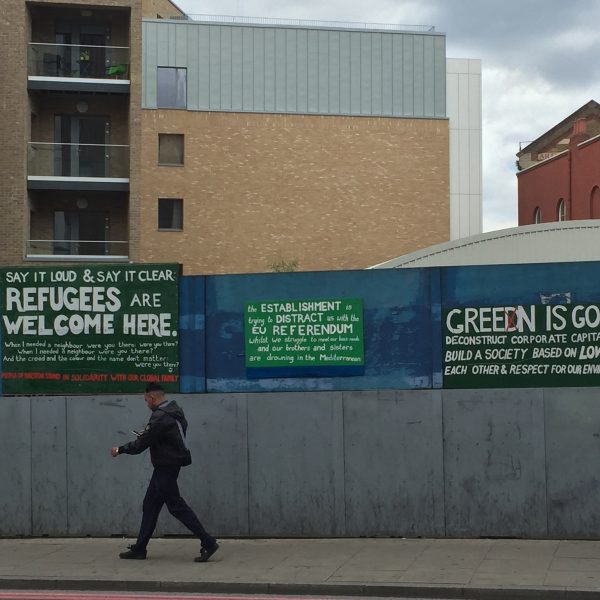
Given the magnitude of the challenges we face the task of resistance remains a communal, provisional, necessarily (ie meaningfully) contradictory, broken labour shared between sites of theory and practice.